News

Inver House Distillers Drives Sustainability with £3 million Biogas Investment at Balmenach – Scotch Whisky News

Balmenach 2

Inver House Distillers Drives Sustainability with £3 million Biogas Investment at Balmenach

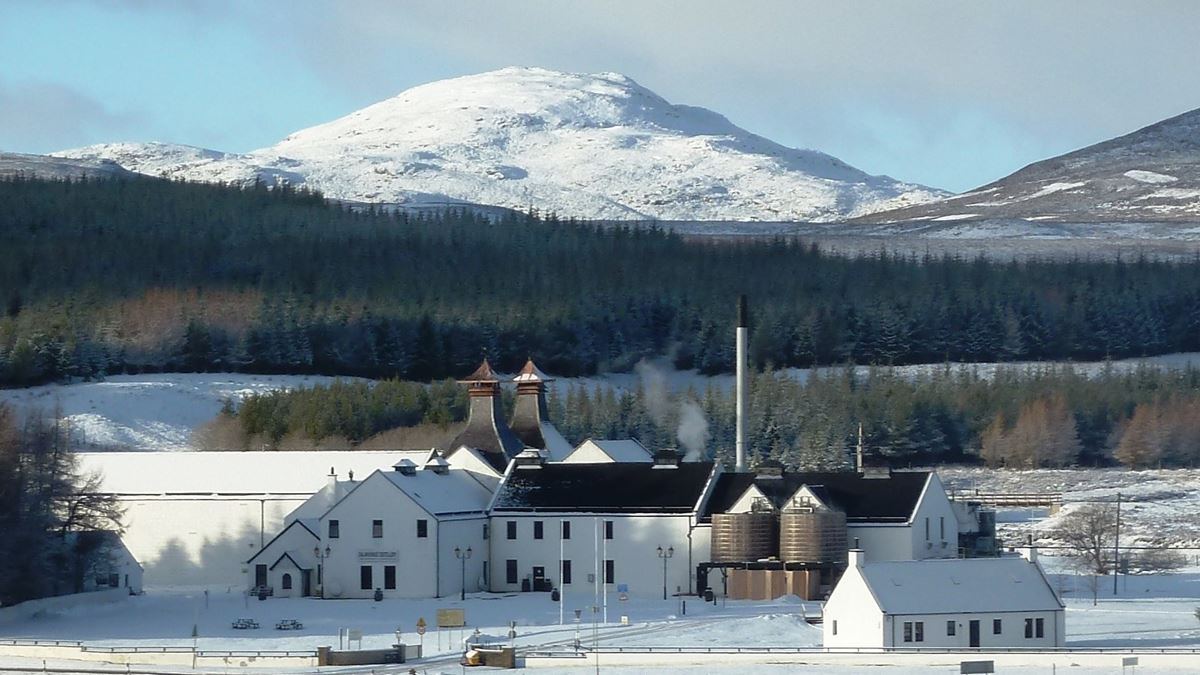
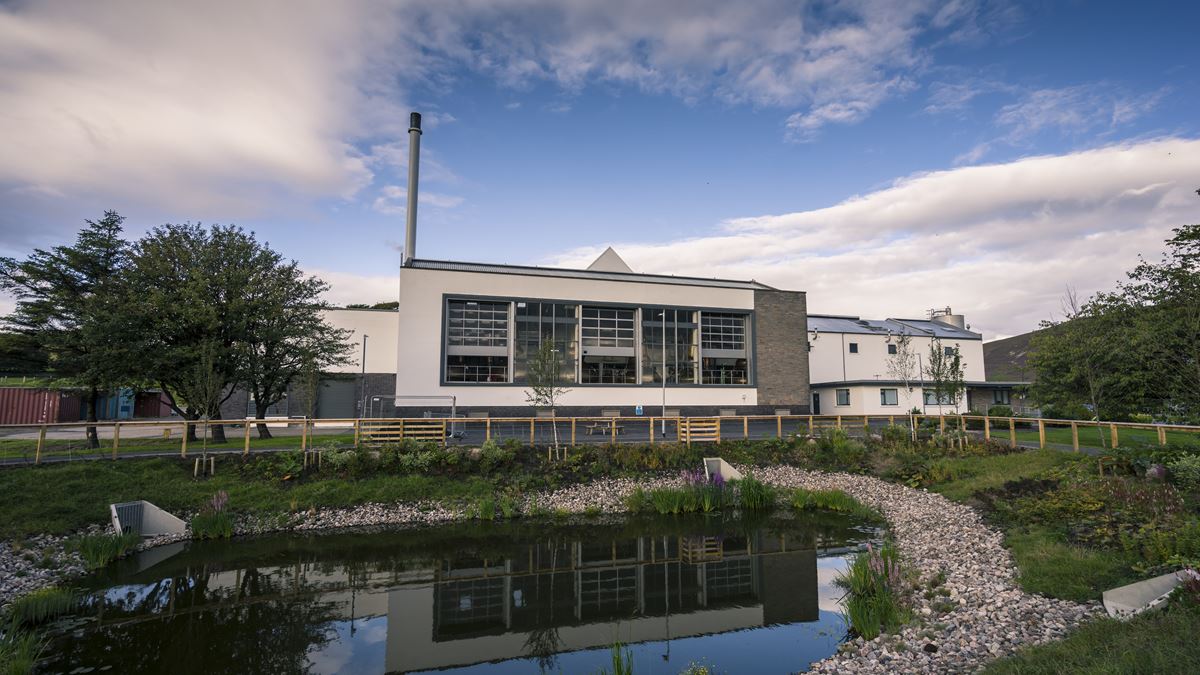
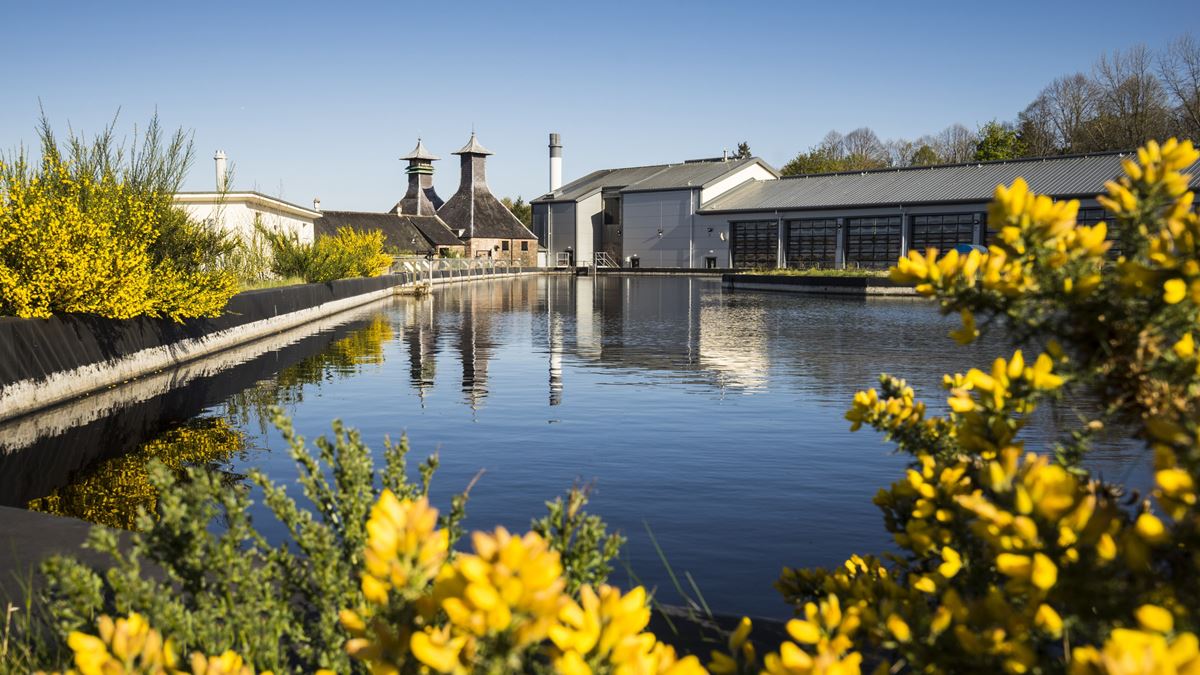
Balmenach, one of Speyside’s oldest whisky distilleries and the home of Caorunn Scottish Gin, is set to become one of Scotland’s greenest distilleries with the announcement today (Thursday 7th December) that work has started on a £3 million biogas project to significantly reduce the site’s carbon footprint.

Inver House Distillers has commissioned a new anaerobic digestion system, which breaks down the co-products of whisky production using micro-organisms to produce clean, methane-rich biogas to power the site.

The new technology will integrate with Balmenach’s existing wood-pellet biomass boiler, and once complete, the combined system will generate enough renewable steam and electricity to meet 100 per cent of the Distillery’s energy requirements with a surplus of electrical energy supplied to the grid.

When operational in summer 2018, approximately 130m3 of whisky co-products (pot ale and spent lees) will be processed to produce 2,000m3 of biogas each day, feeding a combined heat and power engine which will supply 200kW of power and 230kW of heat.

Located near Grantown on Spey and one of Inver House Distillers’ five malt whisky plants, Balmenach is on track to produce 2 million litres of whisky for the blended Scotch market in 2018. The site is also the home of Caorunn, one of the fastest growing Scottish gin brands.

As well as the benefits of reduced emissions, improved energy efficiency and reduced operational costs, Balmenach’s use of these technologies will significantly reduce heavy goods vehicle movements from its remote location in the Spey Valley. The new system will also return clean water to the nearby burn, and nutrient rich bio-solids to the land for barley farming in the Speyside region.

Commenting on the investment, Inver House Distillers’ Managing Director Martin Leonard said: ‘Inver House Distillers was an early champion of green distilling in Scotland, and sustainability and consideration for the environmental impact at each of our sites is at the heart of our business strategy. With this new investment at Balmenach we are using the very latest technology to further that commitment, working with the best partners in the business to help us achieve our environmental goals. It’s an exciting step in our journey and one that we know is recognised and appreciated, not just by the communities surrounding our distilleries, but by the drinkers around the world who enjoy our premium spirits. We also hope this investment will demonstrate how low carbon manufacture and clean growth are achievable, regardless of the size, location or output of the production site.’

A team of specialist suppliers has been recruited by Inver House Distillers to deliver the new system:

Synergie Environ, the Glasgow-based low carbon energy engineering company, is project managing the installation at Balmenach through all feasibility, planning, permitting, procurement and construction phases. Managing Director Uisdean Fraser commented: ‘We have a long-established working relationship with Inver House Distillers and have worked hard with the management team over a number of years to help this exciting AD project come to fruition. I commend the Inver House management team for their forward thinking and vision and we are delighted that they chose us to lead the project from outline concept through all development stages to the current construction delivery phase. We believe the project will deliver a malt whisky distillery which is powered entirely from renewable energy sources with the on-site combination of biomass for the primary heat source and electricity from the CHP powered by biogas from the anaerobic digestion plant.’

Clearfleau, the specialist provider of on-site biogas plants for the food and drink industry, is working with Inver House to design and build the new system. Craig Chapman, CEO, of Clearfleau, said: ‘Clearfleau is delighted to be working with Inver House Distillers to further reduce carbon emissions at Balmenach Distillery. Once complete, the on-site biogas plant will provide a more sustainable solution for its co-products, supplying renewable energy that will help reduce the distillery’s power and other costs. Based on recent projects, Clearfleau is now developing a more modular plant design, for more remote sites and export projects.’

Balcas operates the existing biomass steam system at Balmenach, which uses brites wood pellets produced from home grown Highland timber local to the Distillery to produce zero carbon steam for the Balcas system. In the past 2 years since installation, it has enabled Balmenach to reduce its carbon footprint by 10,000 tonnes. Ian McCracken, Balcas Business Development Director added: As a company committed to renewables, Balcas is proud to be associated with Inver House’s aspiration to stay at the forefront of the drive to deliver long term economic, environmental and social sustainability. Our 4MW biomass steam system is capable of meeting the demand previously met by a much larger traditional heavy fuel oil boiler. Over the same period this has displaced 3.1 million litres of imported oil while still making the same great tasting whisky’ 

About International Beverage Holdings

International Beverage Holdings Limited is one of the industry’s most dynamic global drinks businesses. Established in 2006 as the international arm of ThaiBev, the company specialises in developing distinctive, premium local brands for global growth. The company’s portfolio includes the Inver House Distillers range of high quality Scotch whiskies and includes some of the fastest growing and most prestigious beers, spirits and whiskies on the market today. These high quality brands are enjoyed by consumers in over 85 global markets and include:

  • Chang, Thailand’s iconic global beer brand
  • Single Malt Scotch Whiskies: Old Pulteney, Balblair, anCnoc, Speyburn
  • Blended Scotch Whiskies: Hankey Bannister, Catto’s, MacArthur’s
  • Caorunn, a super-premium small batch distilled Scottish Gin infused with 5 Celtic botanicals
  • Thai spirits: Phraya, Mekhong

International Beverage’s international operation is headquartered in Hong Kong, with two major bases in China and Scotland and a growing number of regional hubs around the world. The business is focused on the delivery of highly effective investment, sales and marketing strategies to produce brands of character, representing the care and craftsmanship of the people that make them – from the brewers of Chang Beer in Thailand, to the distillers of the fine single malt Scotch whisky Old Pulteney in the far north of Scotland. Crucially, the global development of every brand continues to be rooted in its home territory, supporting the company’s mission to build authentic brands of outstanding quality.

International Beverage is investing in ambitious growth across its global operation, employing over 850 highly skilled people across production, sales, marketing and finance, together forming an effective and expert international team.

The Whisky Exchange Whisky of the Year 2018 – Scotch Whisky News

twe1

The Whisky Exchange Whisky of the Year 2018

Whisky of the Year has gone global! For 2017 we opened up the awards to any bottle from across the world, provided it was not cask strength, below £60 and an ongoing release. Despite my repeated suggestions that we should hold the final somewhere warm and exotic to celebrate this momentous development, the event was once again held in The Rooms at Brown’s, just a hop and a skip from our Covent Garden shop.

On arrival we warmed up with a Claymore – not the Scottish two-handled sword, but rather the winning cocktail from the 2017 Speciality Drinks Next Whisky Cocktail Classic Competition. Made from Chivas Regal 18 Year Old and Champagne cordial, it’s delicious and relatively easy to make at home – providing you ever have leftover Champagne with which to make the syrup…

So what were we looking for in the eight unidentified whiskies sat temptingly in front of us? Our Master of Wine Dawn Davies, who was presiding over the evening, gave us a few tips:

  • don’t be swayed by big flavours
  • look at the whisky’s balance
  • consider how long you think about it afterwards
  • look carefully at the finish
  • taste a couple of whiskies to calibrate your palate before starting to give scores

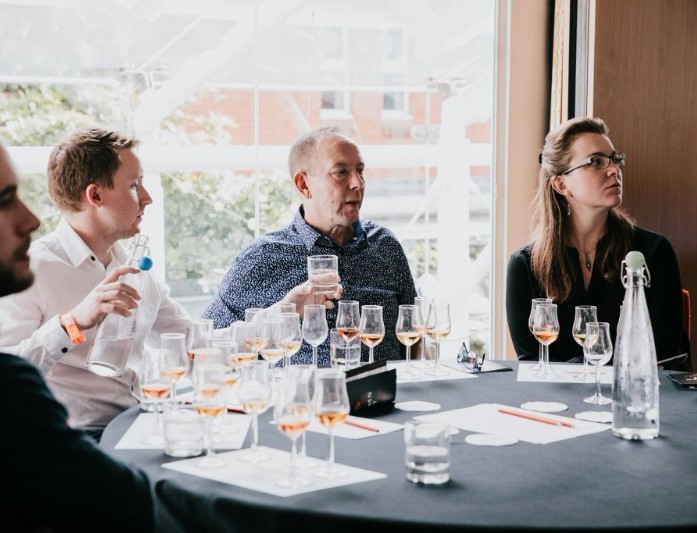
Everyone in the room tasted each dram at the same time, giving us an opportunity to compare tasting notes and guess at the composition and origins of each whisky.

twe2

The drams

First up was Arran 14 Year Old, which won praise from the room for its grassy, coconut, vanilla and fruit notes, with some observing that it had a slightly tannic finish.

Nikka Coffey Malt followed, which one person said smelled like Kraken rum, while another said was a ‘grain whisky made with barley sugar’. People found it easy to drink, noting flavours of toffee, vanilla, and gooseberry, but overall this dram proved to be much less of a talking point than the Arran.

Third was Cragganmore Distillers Edition 2004, which many said had similar elements to number one. It also, however, had smoky, woody and red-fruit notes, alongside a rich velvety texture. ‘I always think of fabric in terms of texture’ said Dawn.

The next one… well. The next one was Green Spot Leoville Barton, a wine-finished single pot still whiskey which, from a tasting point of view, deservedly won a place in the final. Unfortunately, we belatedly discovered that it doesn’t meet our criterion of being an ongoing release, so we had to knock Green Spot off the top spot. Oops.

Number five was Benromach 15, in which the audience found notes of paprika, farmyards, smoke and Burgundy. As Billy observed, it was like the ‘inside of a flaming Crunchie bar’, which led us to wonder exactly what he gets up to in his spare time.

After a brief digression about chickens and Rudolf Steiner (it made sense on the night), Dawn led us on to sample whisky number six: Inchmoan 12 Year Old. By this point there was a lot of debate about which whiskies were Scotch and which weren’t. ‘It’s like Scotland being in the World Cup final,’ said one chap at my table, looking nervous. The Inchmoan, Loch Lomond’s peated spirit, was observed to have notes that ranged from nit shampoo to pot pourri, with a tannic and dry finish.

Next we were off to Islay for Bowmore 15 Year Old, which elicited quite a few ‘oooh’s when people lifted the glass to their nose. Notes identified included Bonfire Night, Marmite, red fruits and bacon, with one attendee commenting ‘it’s almost too delicate to be an Islay.’

Our last dram was Ailsa Bay, a peated Lowland whisky that wrong-footed people with its salty, leafy bonfire characteristics alongside sweet citrus, white pepper and smoked-salmon notes.

The winner

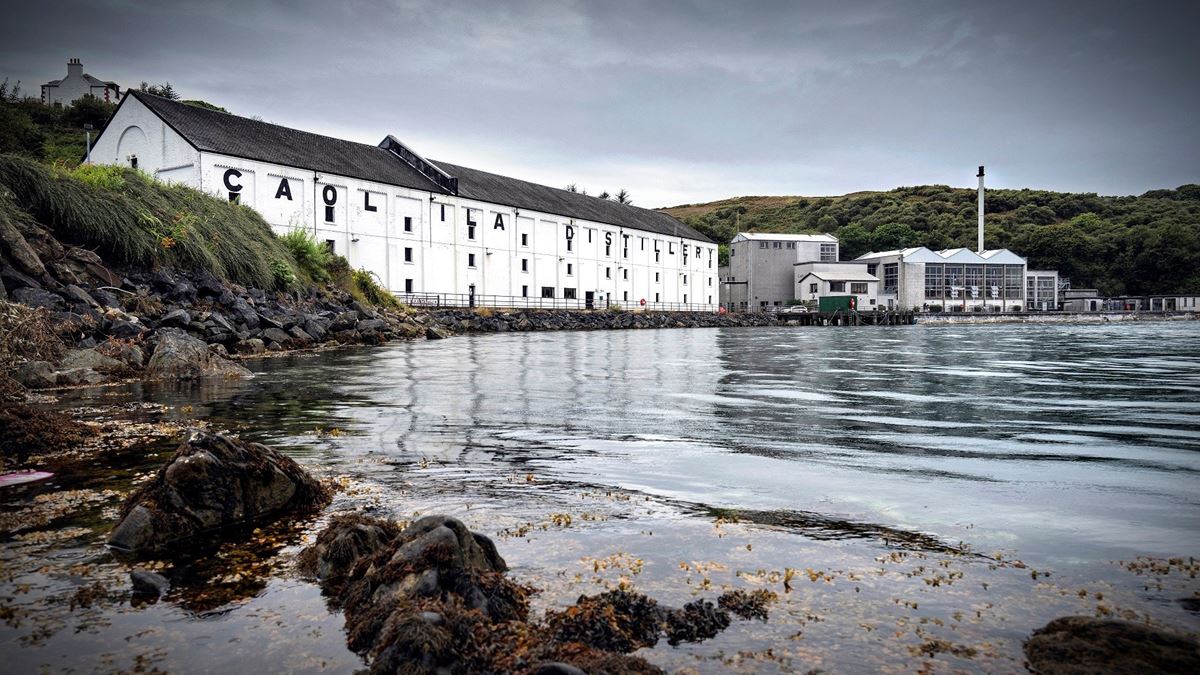
Jonathan Dimbleby was unavailable to present the pre-results coverage, so while we waited for Billy to count the votes we turned our attention to the bonus ninth dram. This one, however, wasn’t sampled blind: as our CEO Sukhinder told us, this was a Caol Ila 32 Year Old that had been selected as a show bottling for Whisky Show Old and Rare. (‘Holy sh*t’, commented someone at my table when the age and distillery were announced.)

While our focus for the eight finalist drams had been on balance, Sukhinder explained that this wasn’t always the most essential factor for independent bottlers. ‘Distillers look for something quite balanced, something that shows their character’ he said, ‘but what we’re looking for is something that tastes nice. Sometimes we’re looking for something that is perfectly balanced but sometimes you want something wild and flavourful. Overall we just look for a good whisky.’ The Caol Ila, in case you haven’t guessed, was very good indeed.

And the winner? The Whisky Exchange Whisky of the Year 2018 is Bowmore 15 Year Old, one of the two drams that were clear favourites with the audience. Runner-up is the striking Ailsa Bay, and thanks to our special offer, both are just £50 if you fancy seeing what all the – entirely justified – fuss is about.

The Macallan 18 Year Old Sherry Oak 2017 at Loch Fyne Whiskies – Scotch Whisky News

Mac18

The Macallan 18 Year Old Sherry Oak 2017

This 18 year old annual release from The Macallan has been matured in the finest sherry casks of both American and Spanish oak, and is extremely sought-after. Rich with dried fruits, spices, orange and woodsmoke.

£250 Buy Now

AA LFW Header

KWM Whisky Advent Day 11 – Shelter Point Single Malt – Canadian Whisky News

KWM11

KWM Whisky Advent Day 11 – Shelter Point Single Malt

When Shelter Point whisky burst on to the scene with their Inaugural Run Single Malt last year, they took Canada by storm. At least Western Canada. We all knew it was coming, the first of the wave of BC Craft Distilleries to get a mature whisky to market. The Inaugural Run Single Malt, and the follow up, the Shelter Point Distiller’s Select Cask Strength (a single malt/rye hybrid) were both very well received. Shelter Point actually out sold Crown Royal Norther Harvest Rye, at least in our shop. This fall they have released two very interesting new releases: Shelter Point French Oak Finish and the Shelter Point Single Grain Montfort Lot DL 141.

Shelter Point Distillery was founded by Patrick Evans in 2011 in Oyster River BC. The distillery and the farm it sits on are located half way up the eastern coast of Vancouver Island. Patrick is a third generation farmer in the Comox valley, his family having been early pioneers in the area around the turn of the 20th Century. In 2005 Patrick and his family bought a University of British Columbia research farm that was once owned by his father. The farm sits on fertile land, ideal for the growing of barley, and atop a large natural aquifer.

The farm covers 380 acres with 2 kilometers of oceanfront. The farm is run in as sustainable a manner as possible. In the Distillery’s Words: “We do not plow or cultivate the soils. Instead, we use a heavy-duty grain seeder that cuts through the previous year’s stubble, opening up the ground with a round disc and allowing new seed to be dropped in the soil and then covered for germination. We over-seed harvested fields with winter wheat, rye or winter peas to increase the organic matter in the soil and rebuild the soil naturally. This action also benefits the many visiting waterfowl who overwinter on the farm, and minimizes the potential of soil erosion during winter rains. On some fields, we also apply a heavy spring application of compost or manure.”

In 2009 when the decision was made to open a distillery, Patrick wanted to make sure they did things right. With the help of some Scottish investors and the Diageo veteran Mike Nicholson, a Vancouver Island transplant the distillery construction was completed in 2010, with the first distillation taking place in the spring of 2011 with barley grown on the farm. The distillery produced a range of vodkas and liqueurs while the early casks of whisky lay sleeping.

Shelter Point’s first single malt, the aforementioned Inaugural Run Single Malt, was released in May of 2016. We had early exclusivity on the product and were very impressed by its quality. Subsequent releases have not disappointed.

Shelter Point Single Malt – 46% – Matured in American Oak – Andrew’s Tasting Note: Nose: fresh, toasty and honeyed; a touch of sour orange opens into oatmeal-raisin cookies right out of the over and corn syrup; a touch vegetal and quite malty with aloe-like oils. Palate: still fresh, malty and honeyed; the corn syrup is still there with some simple syrup and melons; the orange note is drying with some Demerara sugar and Russian coffee dregs; still vegetal and floral with loads of toasty oak; the oatmeal-raisin cookies are still there, right out of the oven… not enough raisins though! Finish: clean, crisp and toasty; more malty tones, sugars and honey with a floral finale. Comment: more mature by a hair than the first release; further proof that they are on the right track! $87 per 750ml or $12 per 50ml

Ralfy Publishes Whisky Review #703 – Scotch Whisky News

ralfy-crown

Ralfy gets comfortable with Ralfy Review 703 – Balblair ’03 vintage 12yo @ 46%vol

KWM Whisky Advent Day 10 – Glenfiddich 15 Year Solera Reserve – Scotch Whisky News

IMG_20171206_1741318

KWM Whisky Advent Day 10 – Glenfiddich 15 Year Solera Reserve

Before we dig into today’s Advent whisky, I have a confession to make. Until earlier this year I had written off Glenfiddich as a little boring, washed up, and increasingly irrelevant. Glenfiddich is the world’s bestselling single malt. One statistic claims that it accounts for 35% off all global single malt sales. That figure seems suspiciously high, but the point remains, Glenfiddich is huge, dominant and ubiquitous. A couple visits to the distillery in the last 8 months and several tastings of the whisky later am willing to admit I was wrong. I was too critical and dismissive of Glenfiddich, and not open to the possibility that their whisky could still be interesting and exciting.

William Grant & Sons, the parent company of Glenfiddich, and also owners of The Balvenie, is huge. On a tour a number of years ago I was given a figure for the volume of whisky they had maturing at their principal site in Dufftown. It was and still is a staggering amount, I did some quick math in my head, comparing it to then Scotland’s smallest distillery Edradour. At the time Edradour’s production was around 100,000L a year. It would have taken Edradour nearly 1500 years running flat out to produce the volume of whisky in William Grant’s warehouses.

Glenfiddich, which means “valley of the dear” was founded in 1886 in the town of Dufftown. Scotland was in the midst of a massive boom in distilling due to the surge of interest in Blended Scotch whisky. The distillery was built by hand by William Grant and his family (seven sons and two daughters) in the glen of the River Fiddich. Spirit ran off the stills for the first time on Christmas Day 1887. Business was so good that just a few short years later in 1892 the family opened their second distillery, Balvenie, just a few hundred meters away.

In 1898 Pattison Elder & Co., William Grant’s largest customer (also that of many other distilleries), filed for bankruptcy. It was the first domino is a massive collapse that knocked the industry on its knees. Many distilleries and whisky companies in turn went bankrupt as a result, but William Grant & Sons held fast. They saw an opportunity to produce and sell their own blends like the appropriately named Standfast. The prohibition era was a difficult time for the Scotch whisky industry, by the turn of the 1930s there were less than a dozen distilleries still operating in Scotland. William Grant & Son’s saw an opportunity. The Depression would eventually end, and then there would be a mad scramble to make more whisky, which would take years to mature. So during the Great Depression William Grant & Sons increased production to position themselves to supply future demand. It was a bet that would pay huge dividends, and put Glenfiddich at the head of the pack of malt whisky distilleries.

William Grants continued to invest in their distilleries and whisky production through the 1940s and 1950s, hiring their own coppersmiths and equipping the the Dufftown facility with its own onsite cooperage. In 1956 they launched their own bespoke and now iconic triangular bottle. A few short years later in 1961 they launched their single malt whisky with the Glenfiddich Straight Malt. Just two years later they took the pioneering step of introducing it to the world, giving birth to the global fascination with single malt whisky.

IMG_20171206_1742163

Glenfiddich 15 Year Solera Reserve – 40% – Matured in Ex-Bourbon and Ex-Sherry Casks. Some of the whisky is finished 2 years in New American Oak. The whisky is mellowed in their famous Solera Vat before marrying in Portugese Oak tuns. – Andrew’s Tasting Note: “Nose: doughy, decadent and very fruity; elegant with lots of layers, caramel chews and waxy honeycomb; soft vanilla and crème brule. Palate: round and fruity in character with a base of waxy honey and vanilla; more caramel with milk chocolate and orange and dates; Fig Newtons circa 10 years ago before the changed the recipe; building sherry oak spices and earthy oak. Finish: medium in length, very pleasant and elegant. Comment: this is a very good malt for its age and price; I just wish they would kick up the ABV to 46%! – $80 per 750ml and $8 per 50ml

Ardbeg “Twenty Something” 23 Year Old Islay Single Malt at K&L California – Scotch Whisky News

Ardbeg

Ardbeg “Twenty Something” 23 Year Old Islay Single Malt

Here’s what I will tell you about the new Ardbeg 23 year old committee release that just landed in our warehouse: I was lucky enough to try it a few months back when Ardbeg’s distiller Dr. Bill Lumsden was in town for a promotional tour and we got the chance to eat lunch together. He pulled out a small flask and poured me a glass, asking me what I thought about the whisky without telling me what it was. I was utterly entranced by it. It was so soft and silky compared to the powerful and high proof Ardbegs like the Uigeadail and Corryvreckan. The smoke was heavy, but it was muted by rounded vanilla and creamy malt flavors. I knew it had to be old. The finish went on forever and I just sat there grinning as I licked my lips and asked him what I had just experienced. Bill smiled and said it was the upcoming Ardbeg “Twentysomething,” a new committee bottling from the distillery planned for a winter release in the states. It’s by the far the most luxurious Ardbeg I’ve tasted since the 1977 and Lord of the Isles releases of long ago and it’s a legit, top shelf single malt. I’m long past the point of being able to justify what’s worth it to whisky drinkers when they’re throwing down money like this for a luxury bottle, but if you’re worried about the quality here I can squash those concerns. It’s really good.

Ardbeg “Twenty Something” 23 Year Old Islay Single Malt Scotch Whisky (750ml) ($549.99)

KL-emailheader

4th Edition Scotch Whisky Advent Calendar – Scotch Whisky News

WI-BannerST2017

It’s that time of year again. Advent!

From December 1st to the 25th, some of you will be enjoying our special Scotch Whisky Advent Calendar. 

This year Secret Spirits is proud to release their 4th Edition of unique and rare Scotch Whiskies. 

Geek-out with us as we introduce Scotch Trooper as our guest blogger this year. 

You can find him and all his Trooper Elves at http://scotchtrooper-blog.com/category/reviews/ 

He’s also on Instagram: scotch_trooper 

Follow along as his little elves get into all sorts of mischief with their Scotch Whisky Advent Calendar this Christmas.  

Cheers!

secretspirits.com


Isle of Islay 10 Year Old 2007 at The Whisky Barrel – Scotch Whisky News

TWB1

Isle of Islay 10 Year Old 2007

Single cask sherry hogshead from a secret distillery which once contained the famed micro distillery Malt Mill, on the A846 between Laphroaig & Ardbeg. Freshly bottled by our chums at Creative Whisky Co. for the Exclusive Malts – just 352 bottles!

Shop – £99.95

TWB 10 Yrs

KWM Whisky Advent Day 9 – Glenmorangie Quinta Ruban – Scotch Whisky News

Glenmo 3

KWM Whisky Advent Day 9 – Glenmorangie Quinta Ruban

In last year’s KWM Whisky Advent Calendar we featured the Glenmorangie Original, it was the first time we were able to include a Glenmorangie whisky. Glenmorangie is back this year in the 2017 edition, with the Glenmorangie Quinta Ruban 12 Year. After maturing 10 years in Ex-Bourbon barrels, the whisky is finished a further 2 years in Ruby Port Pipes, hence the name Quinta Ruban. “Quintas” are the port houses or lodges in Villa Nova de Gaia where the wine is laid to mature before bottling. Ruban is a reference to ruby port.

Port is an interesting fortified wine style with deep roots and a strong connection to the British isles. The British had a great fondness for French wine, especially Bordeaux, which they call Claret. There was only one problem, the English & French were at war with each other more often than not in the 17th and 18th Centuries, and that made the importation of French wine impractical to say the least. The British naturally turned their attention to Portugal, a nation with which they had a long allegiance, but this was not as straightforward a solution as one might expect.

IMG_20171206_1741120

During the age of sail, it was seldom possible to sail directly from Portugal. The prevailing winds made the journey long and difficult. The conditions at sea were not favourable to the transportation of wine. So this lead to the birth of a new wine style, Port. Port is named for Oporto, the Portuguese port city at the mouth of the River Douro. After crushing the grapes were fermented as with all wines, but early in the fermentation a neutral grape spirit is added to stop the fermentation and preserve sugar. The combination of higher alcohol and sugar made the wine more durable and stable. And the British loved it! Port was shipped to the UK including Scotland in cask, and many of these barrels would then be used to mature whisky.

One surprising fact about Port, is that the Douro’s appellation is the third oldest in the world. It was granted in 1756 well before Bordeaux or Burgundy. The only older ones are Chianti 1716 and Tokaji 1730 are old.

There are a few distinguishing characteristics which make Glenmorangie unique. First and foremost, its stills, which are the tallest and most slender in all of Scotland. “They are 8 metres high (26ft 1/4 inches) with their long copper necks standing at 5.14 metres (16ft 10 1/4 inches), the same height as a fully grown adult giraffe!” These stills ensure that only the lightest and most delicate vapours make it to the condenser, thus resulting in lighter more delicate spirit. The distillery was converted from a brewery originally established on Morangie farm in the 1730. Rather than the more traditional dumpy pot stills, the founder installed a pair of 2nd hand gin stills in the distillery. Today’s stills are modeled on that design.

Glenmorangie also has a unique water supply. The distillery is fed by the Tarlogie Springs, which bubble up from a limestone aquifer, rather than the granite filtered water used by almost every other distillery in Scotland. These natural minerals give it its ‘hard’ water qualities and provide Glenmorangie with a raw ingredient unique amongst Highland distilleries.

Last but certainly not least, the distillery is famous for its Sixteen Men of Tain. Historically no more than 16 men worked at the distillery. As demand and production grew, there were never more than 16 men on shift at a time. Times have changed, and production techniques have changed too. There are many more than 16 men and women working at the distillery and for the brand today, at last count close to 400 (2004). The company now refers to the “Men of Tain”, craftsmen who make the whisky.

IMG_20171206_1739460

Glenmorangie Quinta Ruban– 46% – 12 Year – Matured in Bourbon Finished in Ruby Port – Andrew’s Tasting Note: “Nose: dried cherry and cranberry leap out of the glass; some musty old wood with dark chocolate, prune juice and cooked dates. Palate: big, nutty and wood; more dark chocolate with some firm old leather and sweet Cuban tobacco; the musty old wood is still there with some licorice nibs and decadent spice. Finish: medium-long and warming; the spicy oak holds on with a touch of chilli heat. Comment: I forgot how interesting this whisky is; I am not generally a fan of Port matured or finished whiskies, but this one is good! $92 for 700ml$11 for 50ml


Powered by WordPress