Press Releases

The Perfect Gift – £7,500 Bottle of Rare Single Malt – Scotch Whisky News

arkwrights_still1

The perfect gift – £7,500 bottle of rare single malt

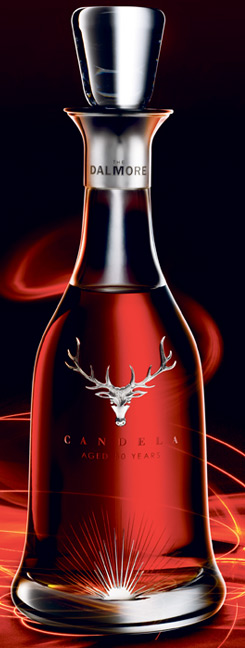
November 2011 Looking for the ultimate gift for a whisky lover? It has to be a limited edition bottle of 50-year-old Dalmore Candela single malt – for £7,500 from boutique whisky shop Arkwrights. Only 77 bottles have been released. Created by master blender Richard Paterson, it includes single malts from 1868 with the youngest malt being from 1951.

It tastes of ginger cake, spiced toffee, butterscotch, roasted coffee and thick cut marmalade – the hallmark of this classic malt.

The Dalmore Distillery, on the shores of the Firth of Cromarty in the Scottish Highlands, has been producing single malt whisky since 1839

www.whiskyandwines.com

Arkwrights is a boutique whisky shop based in the Cotswolds. It is run by husband and wife team Ken and Fran Thomas who are passionate about whisky. The company has been running for 15 years and has a thriving online business. Arkwrights delivers whisky around the world – from London to Taiwan.

They can provide a wealth of whisky information – from what whisky to serve with what sort of food to cocktail recipes.

candela-index_bottle

GLEN GRANT LAUNCHES LIMITED EDITION 25 YEAR OLD WHISKY – Glen Grant Sunday – Scotch Whisky News

gken-grant-25yo

GLEN GRANT LAUNCHES LIMITED EDITION 25 YEAR OLD WHISKY

Famous Scottish distiller introduces an exceptional sherry single cask whisky especially for connoisseurs

Iconic Scottish distiller, Glen Grant, famed for its easy drinking portfolio of Single Malts, has created a new, highly desirable 25 Year Old expression which will be available exclusively in France and Duty Free stores in Asia from June 2011 (Whisky Intelligence is catching up…).

The unique new edition first debuted at Whisky Live Paris in 2010, where it became an instant hit with trade and consumers alike, inspiring Glen Grant’s Master Distiller, Dennis Malcolm, to launch it to the open market in France and Asia Duty Free this year. An exclusive Limited Edition whisky, with only 800 bottles in production, the 25 Year Old Sherry Single Cask has been especially developed to meet the demands of the most discerning of whisky connoisseurs, offering a truly inimitable experience.

Boasting an intensely, rich palate with an array of deeply fruity flavors, the Limited Edition Single Malt perfectly delivers the seductively smooth taste for which Glen Grant is renowned; it features soft sultana notes, sweet Oloroso Sherry aromas, inter laced with hints of heather honey and a powerful long, lingering finish. In contrast to the distillery’s customary clear, light gold single malts, the 25 year old boasts a deeper, more intense dark amber brown colour – a result of slow aging in sherry oak casks at the 170 year old distillery, where it matures over time to create a fresh and natural Single Malt Scotch whisky.

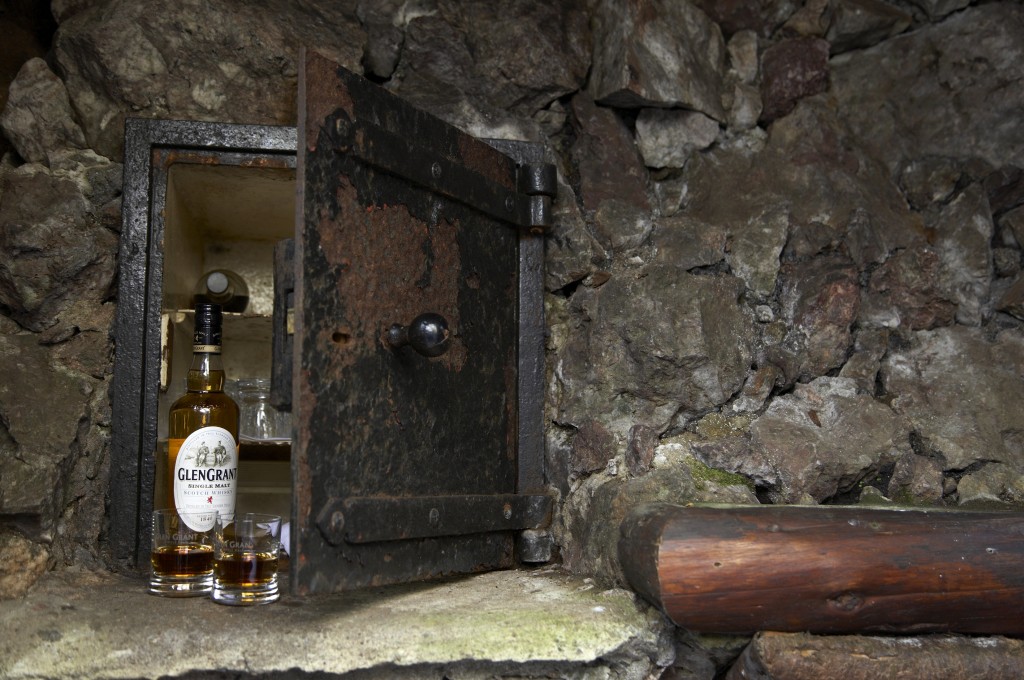
Each Glen Grant whisky is created using a time-honoured process that has been perfected over generations. Building on true family traditions, the new edition was inspired by Major Grant who every year in January would set aside approximately 10 casks of Single Malt for 25 years for his own personal use. This was to remind him that he too was only 25 years old when he took over as Master Distiller at Glen Grant following his father’s death. After 25 years he had one of the casks moved to his cave in the rocky gorge above the orchard where it continued to mature. It was from this cask that his butler Biawa would fill his decanters in the safe that was built into the rock face. It was from this safe that the Major would surprise his dinner guests during their evening stroll by giving them a dram with a drop of fresh spring water from the burn. This tradition has continued long after the Major passed away in 1931 by his Grandson Major Douglas MacKessack and still continues to this day.

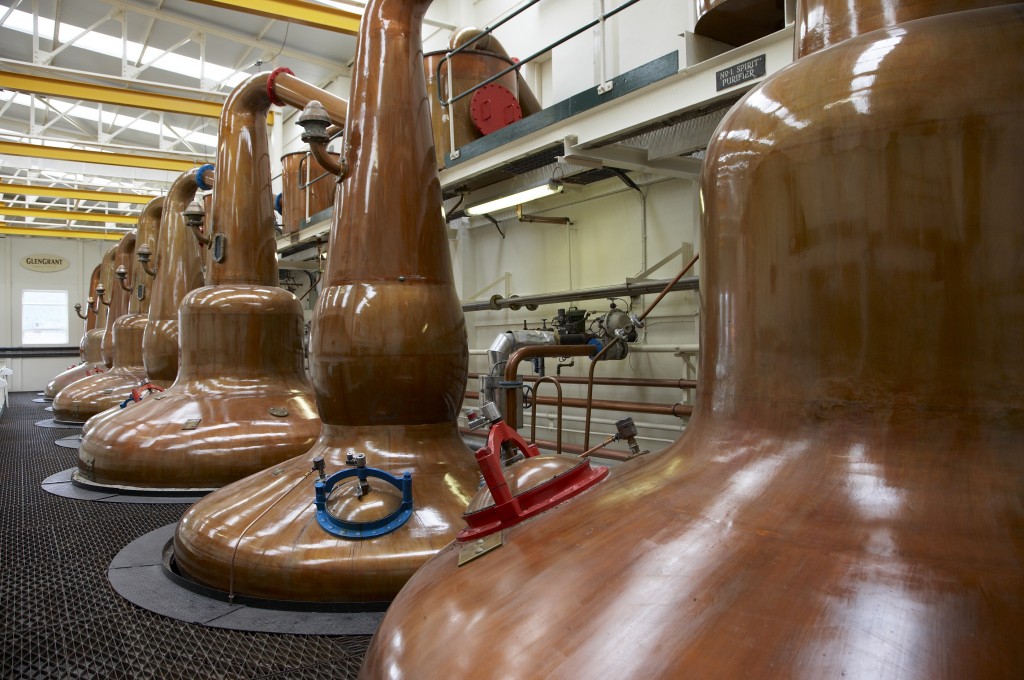
Glen Grant continues to maintain the standards and innovations of the Grant family. The distilling methods of James ‘The Major’ Grant, son of founding brother James Grant, are still used to this day with unique tall slender stills and special purifiers that were developed over a century ago giving whiskies a light, fresh character – making the innovative Glen Grant whisky clearly different from any other brand.

Dennis Malcolm, Master Distiller comments on the launch: “France is one of my favourite countries in the world to visit, so it’s great to produce this limited edition, specifically for the French market. Glen Grant has a huge number of loyal fans who have been responsible for driving the Single Malt segment in France. To thank them, we wanted to offer them a new edition, which builds on the light, fruity profile that they know and love. Also, releasing this to the Asian market demonstrates our commitment to this increasingly important, as well as highly discerning, whisky market. This carefully crafted 25 Year Old is a true reflection of our utmost dedication in creating quality whiskies for whisky lovers and we hope that the intense, long lingering sherry finish will be highly appreciated by consumers.”

This welcome edition complements the 170 year old distillery’s range of exceptional quality single malts, all available in France and Asia, and each designed to appeal to an array of tastes: The Major’s Reserve single malt has a creamy, delicately fruity palate, light golden colour and nutty finish; the Ten Year Old’s rich golden barley colour accompanies its intensely fruity palate and soft, nutty finish; the 16 Year Old’s deeper, fruity flavour has been developed to appeal to whisky drinkers who prefer a more intense taste; the 1992 Cellar Reserve has mild sherry notes, with sweet, rich fruits and a fresh and fruity finish; the 170th Limited Edition boasts rich tones of ripe orchard fruits and a long, lingering finish.

Recommended to be priced at €300, the new 25 year old Single Malt will launch in France and Asia Duty Free markets at the beginning of summer 2011.

For more information go to: www.camparigroup.com and www.glengrant.com

About Glen Grant
Glen Grant became part of the Gruppo Campari portfolio in 2006. The brand is currently the world’s number 5 selling Single Malt Whisky and is an Italian icon and market leader. The Glen Grant range includes the refined Major’s Reserve, 10 Year Old, 16 Year Old, 1992 Cellar Reserve and the 170th Anniversary Limited Edition. Glen Grant was founded 170 years ago in Speyside, Scotland by former smuggling brothers John and James Grant. The unique and seductively smooth taste for which Glen Grant is renowned is the result of the innovative tall slender stills and special purifiers James ‘The Major’ Grant, son of founding brother James Grant, introduced over a century ago and that are still used to this day.

About Gruppo Campari
Davide Campari-Milano S.p.A., together with its affiliates (‘Gruppo Campari’), is a major player in the global beverage sector, trading in over 190 nations around the world with a leading position in the Italian and Brazilian markets and a strong presence in the USA and Continental Europe. The Group has an extensive portfolio that spans three business segments: spirits, wines and soft drinks. In the spirits segment its internationally renowned brands, such as Campari, Carolans, SKYY Vodka and Wild Turkey stand out. It also has leading regional brands including Aperol, Cabo Wabo, Camparisoda, Cynar, Frangelico, Glen Grant, Ouzo 12, X-Rated Fusion Liqueur, Zedda Piras and the local Brazilian brands Dreher, Old Eight and Drury’s. Its wine segment boasts the global brand Cinzano, as well as important regional brands including Liebfraumilch, Mondoro, Odessa, Riccadonna, Sella&Mosca and Teruzzi&Puthod. The soft drinks segment comprises the non-alcoholic aperitif Crodino and Lemonsoda as well as its respective line extension dominating the Italian market. The Group employs over 2,200 people. The shares of the parent company, Davide Campari-Milano S.p.A. (Reuters CPRI.MI – Bloomberg CPR IM), are listed on the Italian Stock Exchange.

Tasting Notes

25 Year Old
[43% alc. Vol)

“Boasting an intensely, rich palate with an array of deeply fruity flavours, the 25 Year Old features soft sultana notes, sweet Oloroso Sherry aromas, inter laced with hints of heather honey and a powerful long, lingering finish.”

Appearance Deep, rich dark amber brown colour
Bouquet Rich, sweet Oloroso Sherry aromas, inter laced with hints of fruit and heather honey
Palate Soft, fruity raisins and sultanas notes
Finish Smooth long and lingering with a slight hint of smoke

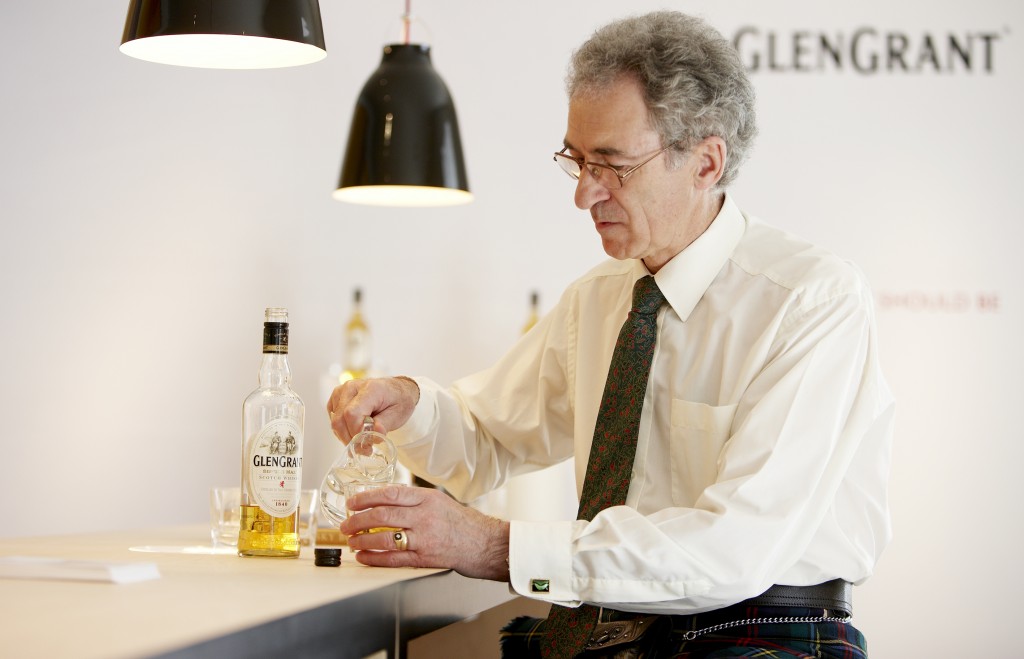
Dennis A.D. Malcolm; Glen Grant Master Distiller- Glen Grant Sunday – Scotch Whisky News

Glen Grant Master Distiller Dennis Malcolm

Glen Grant Master Distiller Dennis Malcolm

Biography

Dennis Malcolm seems to have been destined for his role as Master Distiller for Glen Grant Single Malt Scotch Whiskies. His connection with Glen Grant began on the very day he was born as he first entered the world on the distillery grounds in 1946.

Dennis’ long history with Glen Grant has developed over the years as his passion for its single malts has grown. He now has almost 50 years of experience in the whisky industry after beginning his career at Glen Grant in 1961 as an apprentice cooper.

Over the years Dennis has gained a wealth of experience as Distillery Manager for Glen Grant, Glenlivet and others, as well as being a Brand Ambassador for Strathisla Distillery where he became involved with introducing VIPs and guests to the world of scotch whisky.

Today, Dennis manages and directs Glen Grant for Gruppo Campari with uncommon passion and unrivalled knowledge of the industry. He is also an incomparable tour guide through Glen Grant’s distillery and splendid gardens which he illustrates with anecdotes delivered with a twinkle in his eye and a charismatic Scottish brogue.

Following in the footsteps of the Grant family, famous for being pillars in their local community, Dennis is also a leading figure in Glen Grant’s historical site of Rothes, Scotland. An appointed Justice of Peace, Convenor in his local Church and member of the local school board, Dennis is involved at all levels of the town’s leadership.

When not at Glen Grant, in the courts, church or school, Dennis enjoys gardening, golfing and caravanning.

Glen Grant Q&A

Q. Can you describe the taste of the 25 Year Old?
A. The new 25 Year Old single malt boasts an intensely, rich palate with an array of deeply fruity flavors. It features soft sultana notes, sweet Oloroso Sherry aromas, inter laced with hints of heather honey and a powerful long, lingering finish. In contrast to the distillery’s customary clear, light gold single malts, the 25 year old boasts a deeper, more intense dark amber brown colour – a result of careful cultivation in sherry oak casks at the 170 year old distillery, where it matures over time to create a fresh and natural Single Malt Scotch whisky.

Q. Why was the decision made to launch the 25 Year Old in France and Asia Duty Free?
A: France is the biggest market for whiskies in the world and is also Glen Grant’s second best selling market, globally. Duty Free is the third biggest market in the world for single malts sales, and Asia as the fast growing region is an ideal platform for high quality whiskies and Limited Edition products, with highly discerning consumers purchasing.

Glen Grant has been deemed a major factor behind the growth of the Single Malt segment in France, with a very loyal consumer base who appreciates the light, fruit and floral profile of Glen Grant. To thank them, we wanted to offer them this new 25 Year Old edition, which is truly unique to them.

Q: When will the 25 Year Old be available to purchase?
A: The 25 Year Old is launching at the beginning of summer 2011. Following the event, it will be available nationwide in France and through Asian Duty Free outlets from late June in specialist whisky outlets.

Q: What is the typical alcohol content of the 25 Year Old?
A: The 25 Year Old single malt has a typical ABV (alcohol by volume) of 43%.

Q: What is the alcohol content of other Glen Grant’s single malt scotch whiskies?
A: Here is the alcohol by volume for Glen Grant’s single malt scotch whiskies:
• 16 Year Old, 43%
• 10 Year Old, 40%
• Major’s Reserve, 40%
• the 1992 Cellar Reserve, 46%
• 170th Anniversary Limited Edition, 46%*

* For Limited Editions extension the exact alcohol by volume is defined case by case.

Q: Why add a 25 Year Old single malt to the range?
A: The 25 Year Old extends the range of Glen Grant’s single malt scotch whiskies and offers French and Asian Duty Free whisky connoisseurs a new expression to enjoy. It has a more intensely fruity flavour and a softer palate. In general, having a range of aged expressions is extremely important, to effectively expand globally and compete internationally in the single malt segment.

Q: How would you describe Glen Grant’s Single Malt Scotch whiskies?
A: Glen Grant’s whiskies are distinctive for their bright colour, easy drinking quality, ripe orchard fruit taste, and their soft, almond finish.

Q: Can you make cocktails with Glen Grant’s Single Malts?
A: Glen Grant’s elegant, light taste is best enjoyed undiluted by other spirits or mixers. Try adding a splash of spring water, just as Glen Grant’s own James ‘The Major’ Grant did.

Q: How is Glen Grant made?
A: Quite simply, Glen Grant is a combination of highland spring water, heat, malted barley and yeast, experience and utmost dedication. No tricks or gimmicks, just a time-honoured process that has been perfected over generations. The light, yet complex spirit is the result of the tall slender stills and special purifiers James ‘The Major’ Grant introduced over a century ago and are still used to this day. He knew his customers were looking for an alternative to the heavy, assertive whiskies but unlike many other whisky makers, he wasn’t prepared to compromise by developing a blend. Glen Grant’s unique colour develops as it is stored carefully in oak casks and matures over time, creating clear, fresh, natural single malt scotch whisky.

Q: How is the process different for the 25 year old?
A: The 25 Year Old is produced in exactly the same way as all Glen Grant single malt scotch whiskies. However, iIt is aged over 25 years in a unique selection of sherry casks to produce its dried fruit, honeyed notes.

Q: How much will the 25 year old cost to buy?
A: The 25 year old has a projected retail price of 200 Euros.

Q: What are the differences between each of the single malts?
A: Each single malt has its own unique colour, palate and finish. Each expression is aged in carefully selected casks to create its unique flavour. All the single malts share the clear, bright golden Glen Grant colour, though each has its own tone, and the Glen Grant rich, fruity, easy drinking taste.

MARKETING

Q: What makes Glen Grant Single Malt Scotch whiskies distinctive?
A: Glen Grant’s whiskies are distinctive for their easy drinking quality, bright, clear golden colour and seductively smooth, fruity, rich taste. Glen Grant’s tradition of innovation began in 1840, the year it was founded. Its unique distillation process was invented by James ‘The Major’ Grant. It is distilled in tall, slender stills, which, coupled with its unique purifiers, ensure that only the smoothest and softest spirits go on to become Glen Grant Single Malt Scotch whisky.

Q: Where is the 25 Year Old produced?
A: Glen Grant is produced at the Glen Grant Distillery, founded in 1840, in Rothes, Speyside, Scotland.

Q: Where is Glen Grant most successful?
Glen Grant is most successful in Italy, France, Germany and Spain.

Q: Is the 25 Year Old Single Malt designed to appeal to a different consumer?
A: The 25 Year Old was created to offer a new, more intensely fruity and floral expression of Glen Grant to connoisseurs. Expressions aged over 12 years generally appeal to a connoisseur market, who prefer a more assertive taste. However, the 25 Year Old will also appeal to every day whisky drinkers thanks to the smooth finish that Glen Grant whiskies are famous for. The gift market will also be important for the 25 Year Old.

Q: Does a 25 Year Old Single Malt mean a superior flavour?
A: Glen Grant is extremely proud of all its elegant, easy drinking single malt whiskies, the 25 Year Old expression offers a more intense, fruity and honeyed palate and a long, lingering finish. A superior flavour of malt comes from the quality of spirit that is aged, the casks it is placed in and the flavour that these casks give the whisky. An aged single malt means a different, not superior, flavour.

Q: What is the difference between a single malt and a blend?
A: A single malt is a malt that has come from just one distillery. Each single malt has its own distinctive, unique taste, colour and finish. A blend is made from a mix of single malts, but typically just 20-30% of a blend is these single malts. The rest of the spirit is made quickly from wheat and maize. A blended malt is typically an easy drinking whisky; Glen Grant Single Malts were created to offer an easy drinking quality without the compromise of a blend.

Q: Who owns Glen Grant?
A: Glen Grant has been part of Gruppo Campari since 2006.

Glen Grant Distillation – Glen Grant Sunday – Scotch Whisky News

glen_grant_distillery_21

The Difference, Distilled
Quite simply, Glen Grant is a combination of highland spring water, heat, malted barley and yeast, experience and utmost dedication. No tricks or gimmicks, just a time-honoured process that has been perfected over generations.

So what makes Glen Grant so distinctively different? We have James ‘The Major’ Grant to thank for that. The light, yet complex spirit is the result of the tall slender stills and special purifiers he introduced over a century ago and are still used to this day. He knew his customers were looking for an alternative to the heavy, assertive whiskies but unlike many other whisky makers, he wasn’t prepared to compromise by developing a blend.

Glen Grant’s unique colour develops as it is stored carefully in oak casks and matures over time, creating clear, fresh, natural single malt Scotch whisky. Just as it should be.

1) Milling
Single Malt Scotch Whisky is made from malted barley, spring water and yeast. The distillery receives deliveries of malt which is stored until required – storage capacity: 340 metric tonnes. To produce malt, barley is first steeped in warm water then drained. This starts the germination process which generates natural enzymes within the grain and releases protein and starch. Starch is the raw material from which sugar and spirit is obtained.

The Mill room
The milling machine has two pairs of rollers, one above the other. The top pair cracks open the malt and the lower pair grinds the malt into grist (ground malt).

2) Mashing, the Mash
Inside the mash tun the grist is mixed with heated spring water which is added in four stages of increasing temperatures to extract the sugar. The contents are left to soak (mash) for several hours, producing a sugary liquid called wort. This is drained off through a mesh floor at the base of the mash tun, leaving the draff (residual grain) to be collected.

The first two waters are cooled and transferred to the next stage, while the third and fourth waters make a final extraction of sugar and are returned to the hot water tank to be recycled as the first and second waters of the next mash. After the final water has drained off, the remaining draff is conveyed to the dark grains plant, located next to the distillery, where it is converted to animal feed.

3) Fermentation, the Tun Room
The Tun Room is made up of ten large wooden vats called wash backs (made from Oregon pine) that are used to collect the cooled wort (sugary liquid). It is here that yeast is added as they fill. During the next 42-48 hours the action of the yeast on sugar produces alcohol, generating a frothy head at the peak of fermentation. This frothy head is controlled within the wash backs by switchblades driven by motors on top of the wash backs. Once fermentation is complete, the contents, now called wash, are pumped to the wash charger (holding tank) in the still house ready to be distilled.

4) First Distillation, the Still House
In the Glen Grant Still House there are four wash stills and four spirit stills arranged in pairs to produce four distillation units. The first stage of distillation takes place in the larger wash still where fully fermented wash is carefully boiled by passing steam through stainless steel heating pans inside the still. Alcohol vapours rise to the head of the still, pass down through a purifier, then a condenser and finally through a spirit safe below to be collected as low wines. The purifiers, unique to Glen Grant, ensure the spirit produced in light but at the same time complex, allowing only the purest vapour to pass from the still to the condenser. The cooling water for the condensers is provided from the cooling dam outside the still house.

5) Second Distillation, the Still House
The low wines go through a second distillation in smaller spirit stills, but this time collection is split into three parts. The first part called “foreshots” and the last part called “feints” are collected and mixed with the low wines in the low wines receiver ready to be re-distilled. Only the middle cut (spirit) is taken off to be filled in oak casks, which will eventually become Glen Grant Single Malt Scotch Whisky. – Low wine and feints strength (30% by volume) – New spirit strength (70% by volume) – Wash still volume (15,000 litres each) – Spirit still volume (10,000 litres each)

6) Maturation, The Warehouse
There are three methods of storing casks in warehouses, Traditional, Racked and Palletised. The Glen Grant Warehouse is a traditional warehouse and allows storage to a height of three casks. The new spirit is filled into oak casks, and is then left undisturbed until fully matured. During this time a portion of the whisky will evaporate, approximately 2% per year – this is called the Angel’s Share. By law, the spirit must mature for a minimum of three years before it can be called Scotch whisky. The tall slender stills, unique purifiers and the special selection of casks used for maturation all combine to give Glen Grant its light fresh character. This was the vision of one extraordinary individual, Major James Grant, and is what still makes Glen Grant clearly different from any other whisky.

Glen Grant Distillery History – Glen Grant Sunday – Scotch Whisky News

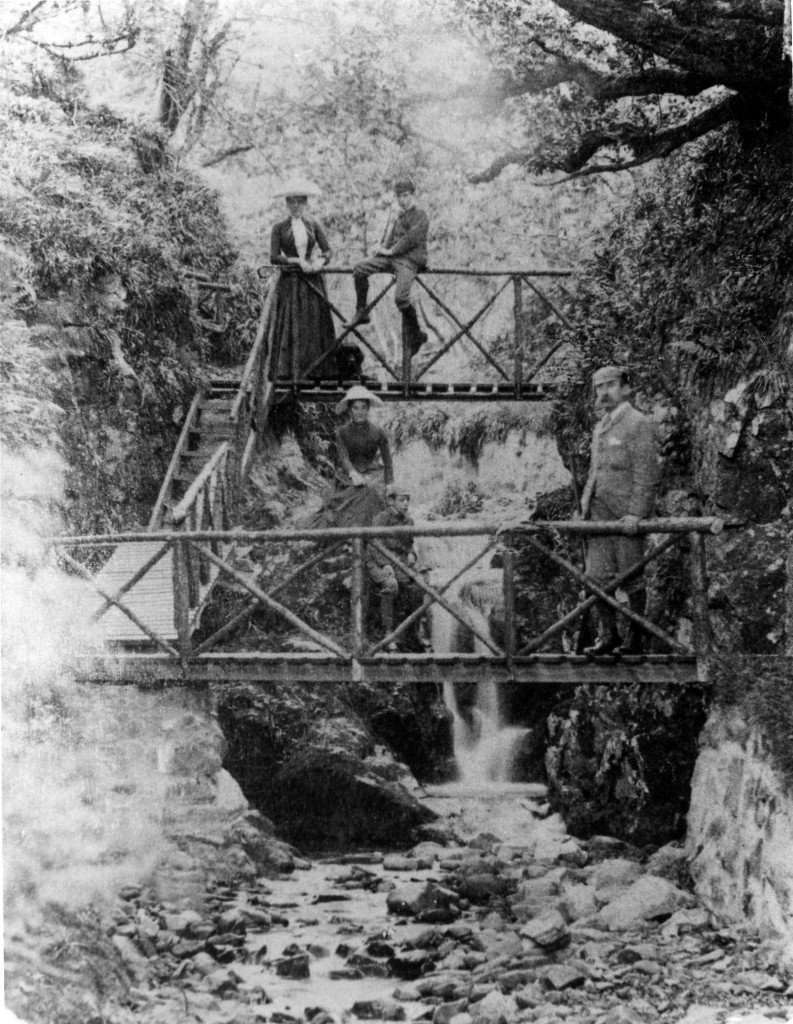
Major James Grant with his family

Major James Grant with his family

Glen Grant Distillery History

Glen Grant is born
In 1840, former smuggling brothers John and James Grant decided to take out a licence. With the sea and port of Garmouth nearby, the River Spey at its feet, peat in the vicinity, and barley-growing plains in close proximity, all the basic ingredients of malt whisky were readily available.

The two “Sons of Malt”, John and James Grant had found the one place on earth where Glen Grant Single Malt Scotch Whisky could be made.

A new ‘Glen Grant’
By 1872, the founders of Glen Grant Distillery had passed away. Young James ‘The Major’ Grant, just 25 at the time, had always taken a keen interest in the distillery, and having inherited the business and the title ‘Glen Grant’ from his uncle John Grant, intended to prove himself a worthy successor.

Boom and expansion
Stories about The Major abound. A legendary innovator, socialiser and traveller, he lived by his own rules and set his own standards. New ideas fascinated him and he wasn’t afraid to explore them. He was the first man in the Highlands to own a car. Glen Grant was the first distillery to have electric lighting. He introduced the tall slender stills and purifiers which created the fresh malty flavour and clear colour that defines Glen Grant Single Malt Scotch Whisky to this day.

The Gardens
The Glen Grant Distillery is also known for its beautiful landscaped gardens. Established by The Major himself in 1886, they were a point of pride for him and his visitors would often take long walks through the green as well as explore the exotic conservatories. At one point there were 15 gardeners employed solely to tend the 27 acres that included vast greenhouses as well as a large and functional kitchen garden.

Today, the garden is re-opened to the public after its extensive restoration which began in 1993 and ended in 1996. It remains an extraordinary testament to late 19th century Victorian gardening style.

The Second Distillery
Over 25 years after The Major took over Glen Grant, he decided to build a second distillery across the road from the first. Originally called ‘Glen Grant 2’, and later known as Caperdonich, after the well from which both distilleries draw their water from to this day, the distillery was connected to the original building via an underground pipeline through which the whisky was run.

An end and a beginning
In 1931, Major Grant, the last of the Grants, died, leaving behind his three daughters and one of the most famous distilleries in the world. Douglas MacKessack, his grandson, was his successor.

The family expands
In 1972, the Glenlivet and Glen Grant Distilleries Ltd merged with the blending concerns of Hill, Thomson and Co. Ltd and Longmorn Distilleries Ltd to become The Glenlivet Distillers Ltd. The original family interest in the distilleries was maintained, with two substantial outside shareholders: Courage Ltd, the brewing concern and Suntory Ltd, the Japanese distilling company.

New ownership
In 2006, Gruppo Campari acquired Glen Grant from Pernod Ricard. To this day, Glen Grant continues to be one of the greatest selling single malts worldwide.

A new chapter
In 2008 Gruppo Campari completed the rebranding and rebuilding of Glen Grant’s image with the inauguration of the new visitor centre that welcomes visitors into the uniquely different whisky experience that is Glen Grant.

Anniversary
With 2010 seeing the celebration of the 170th anniversary of Glen Grant and its proud history, the Glen Grant story will continue to maintain the standards and traditions of the Grant family and their descendents thanks to the skill and determination of the people in Speyside.

170 Years of Excellence and Experience
So many years of whisky making, so few men involved. This short list illustrates the names of the Master Distillers selected to oversee the production process and ensure all materials and procedures were of the utmost quality.

Pre 1898 George Grant
1898-1941 James Cumming
1941-1969 James Smith
1969-1983 Ernest Sherret
1983-1992 Dennis Malcolm
1992-1996 Willie Mearns
1996-2005 Robert Mac Pherson
2005-2006 Hamish Proctor
2006 – Dennis Malcolm

Master Blenders

A Master Blender is responsible for ensuring consistency of colour, taste and palate in each single variety of single malt produced. They carefully select and blend the whiskies from different casks to create each single malt’s unique taste and colour. Glen Grant’s entire history of Master Blenders features just a select few. Over almost 170 years, only four names have been involved: the founding brothers, John and James Grant, James’ son, ‘The Major’ Grant, his grandson, Major Douglas MacKessack, and Albert Stephen, who was introduced to Glen Grant by Major MacKessack and worked alongside him.

Albert Stephen remains Master Blender to this day, continuing a direct line from Glen Grant’s founding fathers to the present and ensuring that the distinctive characteristics and quality of Glen Grant Single Malt Scotch Whisky can be enjoyed by a new generation.

Historical Notes & Anecdotes

Historical Notes
The Glen Grant distillery is the only one named after its two founders, James and John Grant.

Glen Grant was obliged to close its doors during the two world wars because of a lack of barley, just like most distilleries in those days.

Glen Grant was the only distillery in Rothes for the 40 years following its establishment. Today there are five active distilleries in the city.

1840, the year of the founding of Glen Grant was also the year when:
• Queen Victoria married Albert of Sax-Coburg Gotha
• Charles Dickens wrote The Old Curiosity Shop
• The Penny Post was born

In 1861, Glen Grant Distillery was the first of any industrial premises in the North to have electric power and lighting.

Upon John Grant’s death on August 26, 1864 (age 67) Glen Grant was so successful the firm was making the government a colossal £30,000 in spirit duty.

Anecdotes
A local legend says that the inhabitants of Rothes have invented a stratagem to reroute a part of the whisky for themselves, taking it directly from the pipe-line.

Because of the Grant’s heavy involvement with bringing the first rail service to the north, one of the engines included in the Lossimouth-Elgin-Rothes route in 1851 was named Glen Grant.

Founder James Grant was said to always have carried a one hundred pound bank note with him, particularly when he had business to transact with neighbouring farmers. Having concluded a deal he would produce the note in payment and, as few country people in those days could find change for that amount, James always got extended credit.

James Grant’s public life was so successful it earned him the unofficial title of “The Provost of Scotland”.

In 1865 the distillery was expanded incorporating a unique design of still being set up with a big pair of wash and spirit and a small pair of wash and spirit. Naturally, the small spirit still became affectionately known to all employees and staff as “Wee Geordie”, and this title remained until further expansion was necessary in1987 when Wee Geordie was renamed Big Geordie. (Wee Geordie is on display on the Glen Grant grounds to this day).

glen_grant_gardens_5

How To Combat The Snow – Japanese Whisky News

suntory

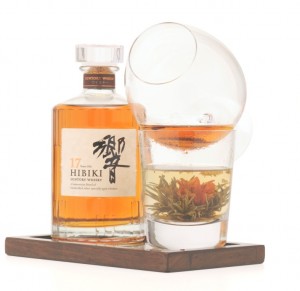
When the big snows come in Japan they keep company with a Hibiki Taisetsu cocktail

London November 2011: Whether you love it or hate it, when heavy snow falls follow the Japanese example. Celebrate it or commiserate by enjoying a cocktail that lifts the spirits, the Hibiki Taisetsu. Within the 24 Japanese seasons Taisetsu means ‘The big snow’.

image0003

Hibiki Taisetsu

40ml Hibiki 17 year old whisky
20ml Umeshu plum sake
2 drops chocolate bitters
20ml hot water
Orange zest
Stir all ingredients with green tea
Double strain into warm balloon glass
Place tea (flower) in old fashioned glass, top up with hot water

Place balloon glass on top to retain warmth

Mid December is the time of the winter solstice, for which the Japanese have a name and a cocktail – Yamazaki Toji. With 24 cocktails to see in the 24 Japanese seasons they don’t mind if time flies.

image005

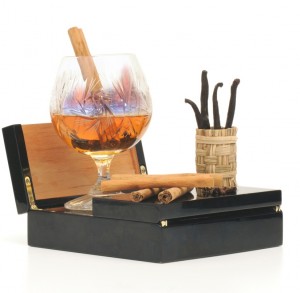
Yamazaki Toji

50ml Yamazaki 12 year old whisky
15ml Mandarine Napoleon
6ml Absinthe
Brown sugar, vanilla pod, cinnamon, cloves, anis star and orange peel
Light 25ml of the whisky and all other ingredients for 15 seconds
Heat rest of whisky in a balloon glass, add first mix to balloon glass, leave flamed for 5 seconds
Cover glass with napkin to extinguish flame

Both cocktails are from a range of 24 seasonal cocktail recipes created by Zoran Peric, Suntory Brand Ambassador, to bring that inner glow in a month of cold and snow.

Suntory Japanese whiskies are world beaters having won more than 60 international awards since 2003 and whisky lovers have taken to them. There is something about their subtle aromas and delicate flavours which appeals to the palate whether taken neat, over ice or in cocktails.

Yamazaki 12 Year Old Single Malt Whisky and Hibiki 17 Year Old Blended Whisky are firm favourites in Japan and here in Europe. Enjoy them and the warm glow that comes with the Yamazaki Toji and Hibiki Taisetsu cocktails.

Notes: Pronouncing Suntory names

Yamazaki – (Ya-ma-zarkee)

Hakushu – (Ha-koo-shoe)

Hibiki – (Hi-bi-kee)

Yamazaki single malt whiskies are available from: Selfridges, Harvey Nichols, The Whisky Exchange, independent specialist retailers and drinkon.com priced from:

Yamazaki 12 year old £42

Hibiki 17 year old £70

The Yamazaki and Hibiki range of single malt and blended malt whiskies from Suntory is distributed in the UK by Cellar Trends. For all sales enquiries contact: sales@cellartrends.co.uk

Isle of Arran Distillers Ltd & ImpEx Beverages Inc Trading Agreement Announcement – Scotch Whisky News

final_logo1

Isle of Arran Distillers Ltd & ImpEx Beverages Inc
Trading Agreement Announcement

Isle of Arran Distillers Ltd, a dynamic force in the Scotch Whisky Industry is delighted to announce that effective January 1st 2012, their Single Malt and Blended Scotch will be imported into the United States by ImpEx Beverages Inc.

Andrew Hogan of Isle of Arran Distillers commented that “This agreement with ImpEx will bring us the brand building success that we seek at this stage in our development. I am delighted to have the chance to work with ImpEx, and to benefit from the experience that Ed Kohl and his team brings to the USA whisky market. “Hogan added that he “…looked forward to increased influence within the US market and this appointment was the best news possible prior to the busy holiday selling season.”

For ImpEx Beverages, Ed Kohl stated “We are delighted to represent this prestigious distillery in our portfolio of malt and blended whisky. Isle of Arran is a new and innovative distillery who is offering an exciting range of single malts and blends to the whisky connoisseur who is looking for yet another new experience. The combination of our two companies compliments each other extremely well as we move forward with our consumer tasting programs. Mr. Hogan will also be a valued partner as we develop Isle of Arran in the U.S. Market.”

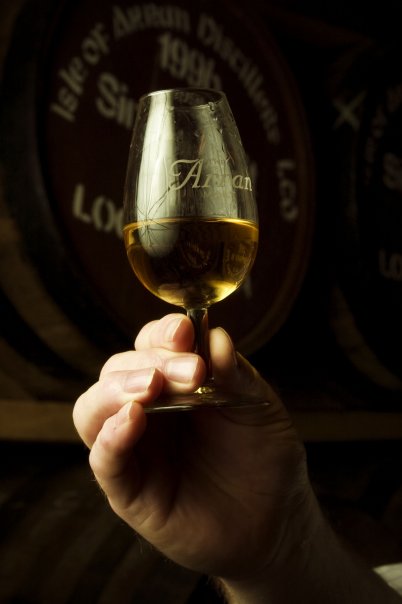
arran-glass


Rare & Collectable Whisky To Go Under The Hammer at Tennants Auctioneers – Scotch Whisky News

tennants-logo-350-master

Rare and Collectable Whisky to go under the Hammer at Tennants Auctioneers

Tennants Auctioneers are to hold their second Whisky sale in conjunction with their first Wine sale on the 26th November. This sale will feature for the first time live internet bidding, allowing buyers to bid wherever they may be. The full online catalogue is available at: http://www.tennants.co.uk/Catalogue/Sales/184.aspx

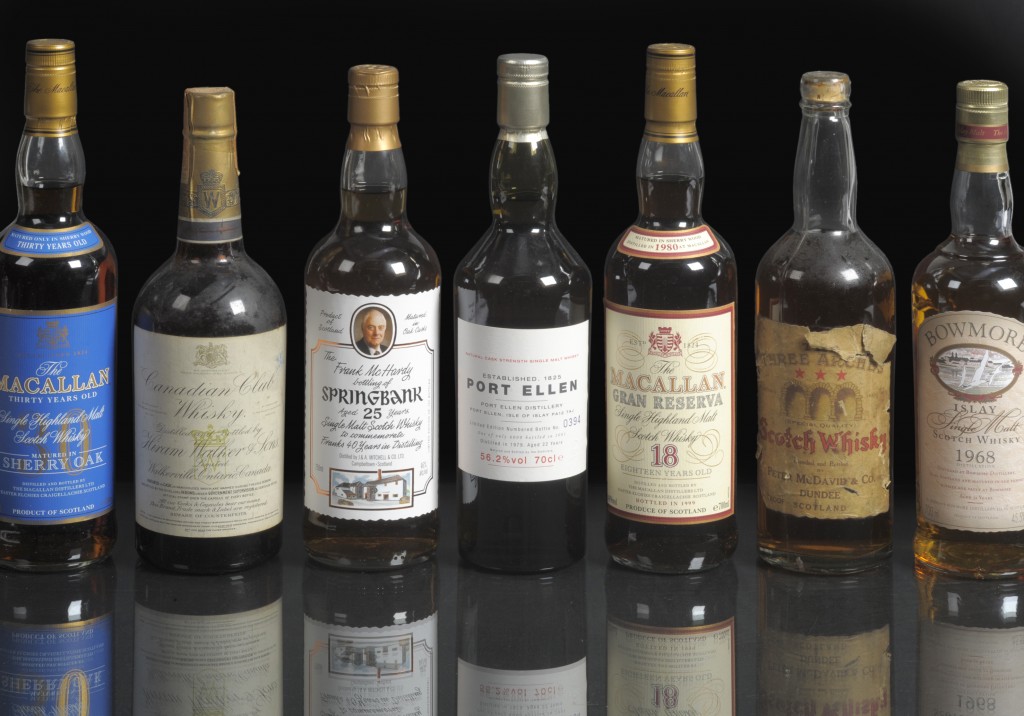
As always there is a great selection of whisky in the sale, divided into around 100 lots of modern classics and rare vintage bottles. Macallan fans are sure to like the 18 Year Old Gran Reserva, estimate £300-500, and there are two bottles of Bowmore, including a Bicentenary bottle, complete with its original wooden crate and certificate, estimate also £300-500.

Another lot sure to be popular is the of Port Ellen 22 Year Old First Annual Release; this bottle is becoming increasingly popular and prices keep climbing. For those looking to buy a bottle to last the full festive period, there is a Double Magnum (four bottles) of Springbank 10 Year Old, distilled 1990 and bottled 2000 by Signatory Vintage, with an enticing estimate of £150-250.

There are also some rare vintage bottles in the sale including a 1931 bottle of Canadian Club, a bottle of Baldnoch, and a bottle of The Three Arches. The bottle is from the early part of the 20th century, but very little is known about the whisky or the distiller, Peter McDavid & Co., Dundee. Also offered in the sale is a collection of fifteen bottles of cognac from the 19th century, some dating back to 1808, as well as a huge selection of Fine Wine, Port and Cigars.

Tennants is a fourth generation family run business based in Leyburn, North Yorkshire. With a specialised team and 21 departments, Tennants can accurately appraise virtually any item, free of charge, with values ranging from £50 to many hundreds of thousands of pounds.

For any enquiries please contact Mark Littler on 01969 623780 or email mark.littler@tennants-ltd.co.uk .

Kind regards,

Mark Littler

Auctioneer and General Valuer
Wine, Whisky and Spirits Specialist

www.tennants.co.uk 

tennants-whisky

Van Winkle Bourbons Available Soon – American Whiskey News

orvw-logo

Van Winkle Bourbons Available Soon

Bottles remain in short supply

FRANKFORT, Franklin County, Ky (Oct. 2011) – At long last, the iconic Van Winkle bourbons will be back on shelves soon! The popularity of Van Winkle whiskeys remains unmatched and in short supply. Known for their smoother and sweeter flavor, Van Winkle bourbons are aged years longer than most others and garner an impeccable reputation among connoisseurs. The collection consists of Old Rip Van Winkle Handmade Bourbon aged 10 years, available in 90 proof and 107 proof; Van Winkle Special Reserve Bourbon, aged 12 years; Pappy Van Winkle’s Family Reserve Bourbons, aged 15 years, 20 years and 23 years; and Van Winkle Family Reserve Rye Whiskey, aged 13 years.

The Van Winkle line of whiskeys has won a bevy of awards through the years, including 2010 “Spirit of the Year” from Wine and Spirits Magazine for Pappy Van Winkle 23 Year Old; “Best of Show” and “Best Whiskey” at the 2010 Los Angeles Wine and Spirits Competition; a double gold medal at the 2011 San Francisco World Spirits Competition; and gold medals at both the 2011 International Wine and Spirits Competition and the 2011 Los Angeles Wine and Spirits Competition.

The fall release of Van Winkle bottles will be available in select stores toward the end of November.

About Van Winkle Bourbon

The Old Rip Van Winkle Distillery has a four generation history. The Van Winkle

family’s involvement in the bourbon industry began in the late 1800s with Julian P. “Pappy” Van Winkle, Sr. He was a traveling salesman for the W.L. Weller and Sons wholesale house in Louisville. Pappy and a friend, Alex Farnsley, eventually bought the wholesale house and also partnered with Mr. A. Ph. Stitzel on the purchase of Mr. Sitzel’s distillery. The three of them merged the two companies and became the Stitzel-Weller Distillery.

In May of 1935 at the age of 61, Pappy opened the newly completed Stitzel-Weller Distillery in South Louisville. Its prominent brands were W.L. Weller, Old Fitzgerald, Rebel Yell, and Cabin Still. Pappy had a heavy influence on the operations there until his death at the age of 91. His son, Julian, Jr. took over operations until he was forced by stockholders to sell the distillery in 1972. The rights to all of their brands were sold to Norton Simon, Inc. Later, United Distillers, who eventually ended up with the Stitzel-Weller Distillery, sold off all of the original labels around 1999.

After selling the distillery, Julian Jr. resurrected a pre-prohibition label, the only one to which the Van Winkles kept the rights, called Old Rip Van Winkle. He used whiskey stocks from the old distillery to supply his brand. Julian Jr.’s son, Julian, III took over in 1981 when Julian, Jr. passed away. Julian III has continued with the Van Winkle tradition of producing high-quality wheated bourbon. His son, Preston, joined the company in 2001 and the Van Winkles look to continue that tradition for generations to come.

In 2002 the Van Winkles entered into a joint venture with Buffalo Trace Distillery in Franklin County, Frankfort, Ky. All of the Van Winkle’s whiskey production now takes place at Buffalo Trace Distillery under the same strict guidelines the family has always followed. For more information on the Van Winkle family of bourbon please visit www.oldripvanwinkle.com 

A. Dewar Rattray ‘CASK ISLAY’ – Scotch Whisky News

dewar-rattray

CASK ISLAY

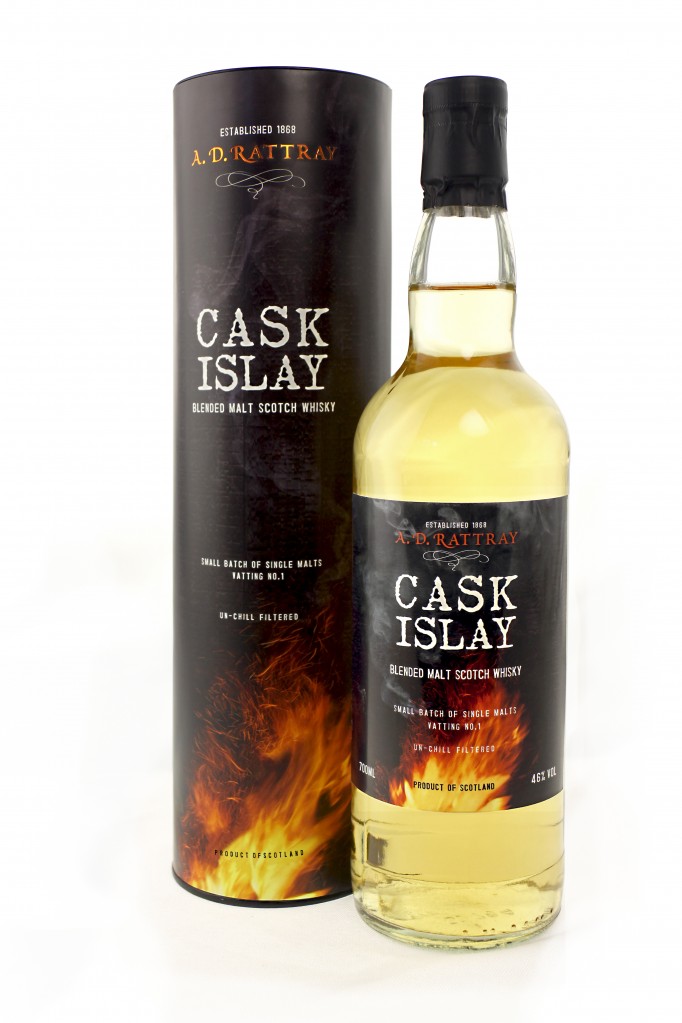
Cask Islay is the latest addition to the A D Rattray portfolio of exceptional and different malt whiskies. Although officially a blended malt, the majority of the whisky in this Vatting No 1 comes from one distillery on Islay. Produced from a small batch of hand-picked casks it has been bottled as a very Limited Edition at 46% ABV and is uncoloured and unchill-filtered.

Young, and extremely smoky on the nose, Cask Islay Vatting No 1 has complex flavours of oats, caramel and honey on the palate – unusual for an Islay malt.

This furnace of Islay peat and smoke is available now.

For a list of stockists go to www.adrattray.com

cask-islay-south-africa-higher-res


Powered by WordPress