I hope you all had a wonderful Easter and Passover. I have lots to fill you in on in this 120th full edition of the Malt Messenger, so we best cut to the chase.
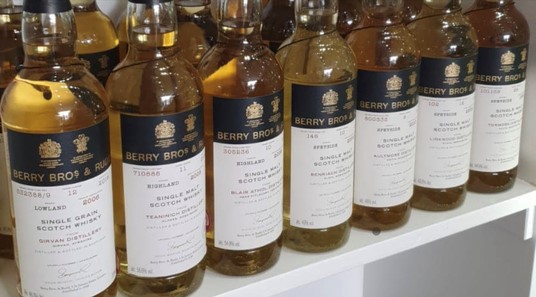
This coming Saturday, we are launching a range of rare whiskies with a very special guest. To commemorate the end of Ronnie Cox’s storied career in the whisky business, Berry Bros. & Rudd have released Ronnie’s Reserve. It is a range of seven single cask whiskies from a “Secret Speyside Distillery” which Ronnie spent the better part of 30 years promoting – <cough> Glenrothes – !
Ronnie Cox, Berry Bros. & Rudd’s Brands Heritage Director, will be joining us live from London to host a special tasting of the Ronnie’s Reserve collection. The tasting is not inexpensive, but the experience is sure to be priceless. I have loads of information on both the range and the tasting below.
We have two other new tastings which will be hosted by brand ambassadors, joining us live from Europe. On Saturday, May 1, Davide Romano will be joining us from London, or Italy, we’ll cross that bridge when we get there. On Saturday, May 8, Stewart Buchanan will be joining us live from Scotland for a GlenDronach vertical tasting featuring 6 single casks from Batch 18, and a couple of other whiskies to round things out.
We also have an upcoming Waterford Whisky tasting next week and have also added a new “Independents Day” tasting to the schedule, built around some exciting whiskies which just arrived.
Staying on the theme of tastings…
Not goodbye… but until next time!
One of our virtual tastings this month is slated to be Hunter Sullivan’s last at KWM. It is an exotic mix of spirits almost as eclectic as the man himself. We can’t call it a whisky tasting, though there will be a couple of whiskies, because it also includes Mezcal, Rum, Armagnac, a Spanish single malt and Seedlip non-alcoholic spirit.

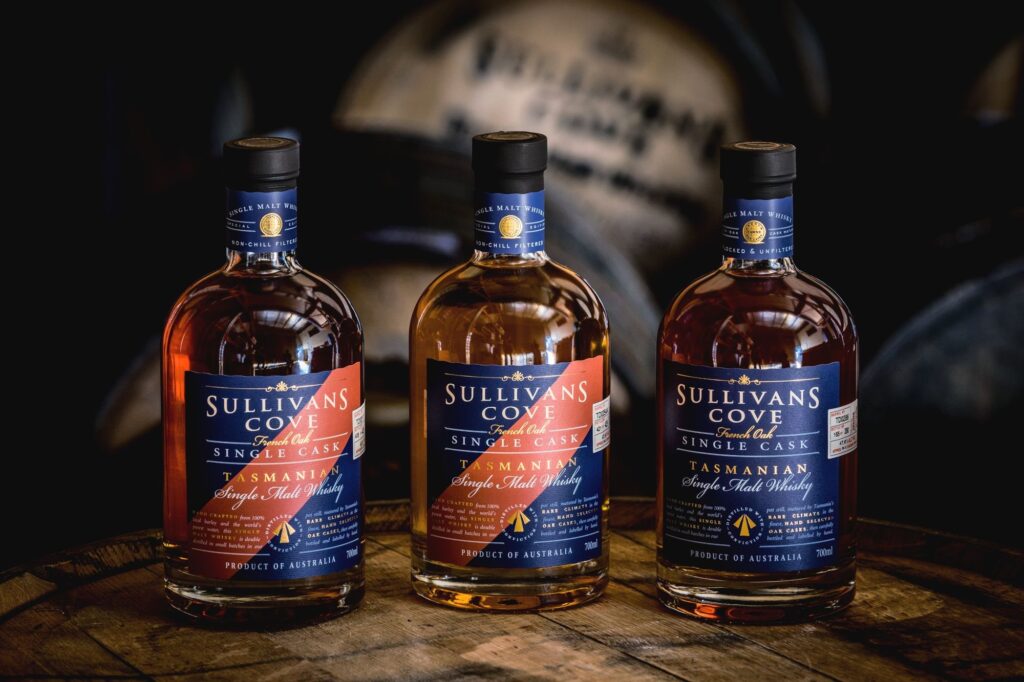
If Hunter’s tasting needed an album cover…
Hunter started at KWM in 2011 when he was just 18 years and 3 months of age. I remember the first time he wandered into the store, full of questions and passion. I knew I’d found a kindred spirit and convinced my then boss Nancy Carten to hire him.
His young adult life has been spent exploring the world of whisk(e)y, wine, beer and spirits. He built a devoted following at our store over the years. There are customers who came just to speak with him, attracted to his frank opinions and unique way with words.
I took him with me on a jaunt to Kentucky a few years back. We crisscrossed Kentucky visiting distilleries, hit some of the best Bourbon bars in the state and even spent a night in an old inn where Billy the Kid narrowly avoided assassination (the bullet holes in the wall have been preserved). It was an adventure neither of us will ever forget.
Hunter left us for the first time back in 2018 to focus on finishing University, but he was never far away. We were thrilled to welcome him back, even if only temporarily last fall. But he swears he’s leaving for good this time, pulling up stakes and moving to the East Coast. We are not fond of goodbye’s here at KWM, the door never fully closes for our alumni. Rather, we prefer to say until next time!
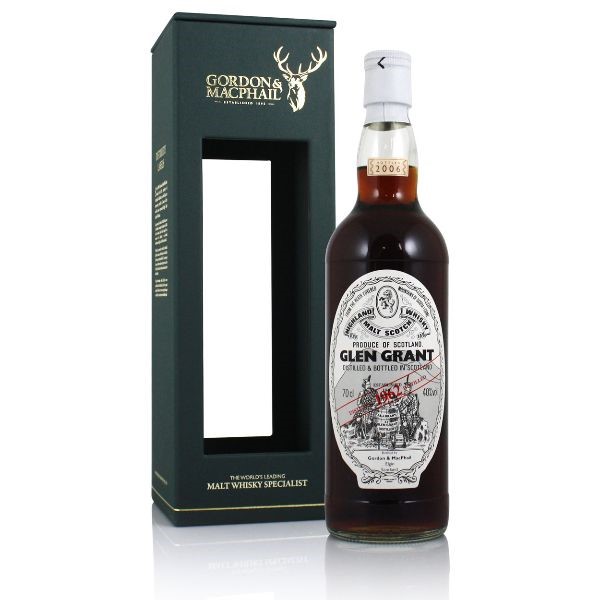
Loads of new whiskies in this Malt Messenger, including the Signatory whiskies eluded to above, as well as new whiskies from Edradour, GlenDronach, Loch Lomond and some Duty-Free bottlings, not normally available to us. There are also some old, rare and collectible whiskies from Rosebank and Craigellachie. On the Kentucky side of things, we are fortunate to have been one of just a handful of stores selected to launch Angel’s Envy Bourbon in Alberta.
But still there is more… Evan has devoutly written up an epistle on the Scotch Malt Whisky Society Canada’s April 2021 Outturn. We’ve also got some new and returned deals on whisky. I’ve highlighted 20 of the best deals, with savings of 15-35%.
As always, please let me know if you have any comments or questions.
If you are able to, please order online. Most days I receive more emails than I am able to reasonably reply to in a timely fashion.
In the event of a discrepancy in price, the Point of Sale at KWM will be taken as correct.
Sincerely,
Andrew Ferguson
Kensington Wine Market
IN THIS EDITION
1. Introducing: Ronnie’s Reserve from Berry Bros. & Rudd
2. The Ronnie’s Reserve Virtual Retirement Tasting – This Saturday!
3. New Virtual Whisky Tastings
4. New Whiskies From Signatory
5. New Whiskies From Edradour
6. Introducing: Angel’s Envy Bourbon
7. Introducing: Rosebank 30 Year
8. Introducing: Craigellachie 33 Year
9. Introducing: GlenDronach Port Wood
10. Evan’s SMWS Sermon
11. New Whiskies from Valinch & Mallet
12. New Whiskies from Loch Lomond Distillery
13. Duty-Free Whiskies
14. Big Savings on Select Whiskies
INTRODUCING: RONNIE’S RESERVE
FROM BERRY BROS. & RUDD
AKA – Ronnie Cox’s Retirement Range

Last March while visiting London, in an old office at Berry Bros. & Rudd’s storied No.3 St. James Street address, I had the great good fortune to sit down with Ronnie Cox to sample through some of the whiskies in the Ronnie’s Reserve Collection. They did not disappoint.
Ronnie’s Reserve is a set of 7 whiskies bottled by Berry Bros. & Rudd to mark the retirement of Ronnie Cox, Brands Heritage Director for Berry Bros. & Rudd. Ronnie was best known over the years as the face of the Glenrothes single malt brand, which was owned by Berry Bros. for 30 years from 1987-2017. We’ll leave it to your imagination which distillery these mystery Speyside single malts hail from…

In Ronnie’s Words

“In selecting these casks I used the criteria of good taste. Whilst this is, obviously, subjective, I always look for exceptional attributes in maturity, balance, flavour, complexity, texture and delivery. The difference between the good and the great is the magical combination of all of these. Then, there is the character of the distillery; there is no point in disguising the natural elegance of this noble and, what I like to call ‘Premier Cru’ distillery spirit, with sherry or wood. Enhance, yes but disguise, no.
To become familiar with the best that this Speyside distillery could produce, I have had the enviable task, over 30 years, of nosing several hundred casks. These seven casks are truly outstanding – superb examples of the excellence of the bloodline in each of their decades.
I didn’t need the keys to the distillery, a bung remover and a nosing
glass. I had had my eye on these casks for many years. They are but a very small offering from thousands of casks in our possession. My tasting notes of drawn samples would change from time to time as they matured in their wooden homes and I was determined that the style of whisky should reflect the changing styles of production and cask marriage over the four decades.

Ronnie is famous for his trademark red socks, a fact not lost on his friend Alasdair Hilleary alias ‘Loon’ (a Scottish colloquialism meaning a ‘local lad’), a lifelong friend, who did the illustrations for the range.. “He has, like I, a passion – for capturing a moment with his unique style of amusing illustration, often self-deprecating or lightly mocking the traditional.”
The Ronnie’s Reserve collection is available exclusively in Canada from Kensington Wine Market. A few of the bottles were extremely limited, especially the 1992 (We only received 2 bottles). So you’ll note the 1992 is not on the list. One was sold as a part of a full set, and the other was poured for a virtual tasting of the range to be hosted by Ronnie on April 10, 2020. See below for more details.
There is only a handful of most of these bottles available for sale. The 1968 is due in May/June, though only 3-4 bottles are expected, one of which is already sold. I also have one set of 6 available for a special price. See the very bottom of this section.

Berry’s Ronnie’s Reserve 1995 – 53.3% – 24 Year – Refill Sherry Hogshead Cask 12040 – 216 Bottles Produced – Ronnie Cox’s Tasting Note: “Bouquet: Honeyed digestive biscuit, ripe yellow fruits, and honeydew melon. Palate: Soft on entry the intensity of flavour meets the palate and then fills the mid-palate where shapes into distinguishable fruity and light woody and biscuit flavours. Finish: Fulfilling and rewarding exuding exalted excellence. Dangerously more-ish.” – SOLD OUT!

Berry’s Ronnie’s Reserve 1989 – 54.0% – 30 Year – 54.0% – Refill Bourbon Barrel 10415 – 114 Bottles Produced – Ronnie Cox’s Tasting Note: “Bouquet: Rich and elegant, balanced and complex. Nougat and dark runny honey wrapped in light wood. It entices. Palate: Soft fruits and honey, delightfully full and malty it is the epitome of the greatness of this distillery; the style of malt and the control of technology. Finish: Exceptionally long, exceptionally elegant. Exceptional.” – Only Available in a Set of 5 (see below)!

Berry’s Ronnie’s Reserve 1979 – 49.9% – 40 Year – Refill American Oak Sherry Cask 5454 – 196 Bottles – Ronnie Cox’s Tasting Note: “Bouquet: Elegance in a glass, enticing orchard fruits, honey and spicy notes all in complex harmony. Palate: Complexity wrapped firmly in a honey blanket. Unusual to see a sherry hogshead from that era it has just the vaguest suggestion of its sherry background whilst the American oak vanillas and honeys pull off a dominance. Finish: Deliciously more-ish this a champion example of the elegance of this mid-body spirit where the character of the distillery is clearly evident and the perfect combination of American Oak sherry and this distillery’s much-loved spirit.” – $1500 – Limit 2 Per Customer

Berry’s Ronnie’s Reserve 1975 – 45.5% – 44 Year – Refill Hogshead Cask 10619 – 166 Bottles Produced – Ronnie Cox’s Tasting Note: “Bouquet: Elegant, uplifting and stimulating. Floral notes accompany, honey and licorice initially, then a carpet of gentle well-integrated American Oak wood vanilla and honey. Palate: Soft, delicate beginnings develop on the palate to reveal the true distillery character with a background of chocolate biscuit and hints of fleeting exotic cooked fruits. Finish: Mouth-coating and delicious the length is extraordinary – this fades gently- leaving a floral sweetness to rest on the palate.” – $2200 – Limit 1 Per Customer

Berry’s Ronnie’s Reserve 1969 Curriculum Vitae – 46.9% – 50 Year – Refill Hogshead Cask 16202 – 123 Bottles Produced – Ronnie Cox’s Tasting Note: “Bouquet: Speaks maturity; gentle wood polish, dunnage warehouses, intriguing, fruit preserve, linseed oil, lemon marmalade wrapped in a coat of gentle wood resin. Palate: Elegant in its weight it gently delivers the flavours of wood spices, nuts and fruits in harmony and with extraordinary balance. Finish: Of great length the tannins and wood resins softly remind us of its years in cask. A slight hint of delicious bittersweet treacle heralds the end… and another sip.” – $5000 – Limit 1 Per Customer

Berry’s Ronnie’s Reserve 1968 Tempus Fugit – 51.6% – 51 Year – Refill Sherry Hogshead Cask 13497 – 65 Bottles Produced – Ronnie Cox’s Tasting Note: “Bouquet: Outstandingly distinguished, elegant, sophisticated, floral fruity and ethereal. This is one to nose and nose before the seduction takes over. Palate: Delivers the above with balance, complexity, panache and depth and reveals its true supremacy at the back of the palate with a long floating silkiness and a plethora of cooked fruits and walnut melange finishing with a silky hint of sweetness. Finish: Fades gracefully with bottled fruits and emerging liquorice.” – $5400 – Limit 1 Per Customer (ETA May /June)
Berry’s Ronnie’s Reserve Set of 6 – 1 each of the 1989, 1979, 1975, 1969 & 1969. – Regular $14,4200+gst – Special Price for All 6 – $12,578+gst (no further discounts) – Only 1 Available, inquire by e-mail!

THE RONNIE’S RESERVE
VIRTUAL RETIREMENT TASTING
Ronnie’s Reserve Virtual Retirement Tasting with Ronnie Cox
· Date: Saturday, April 10
· Time: 5 PM
· Cost: $300
· Pick-Up Date: Available Now
Saturday, April 10, 5PM MT – Special Guest Ronnie Cox will join us live from London, for a tasting of the Ronnie’s Reserve range from Berry Bros. & Rudd. Ronnie hand selected 7 casks of whisky from a famous Rothes distillery, with which he worked closely for nearly 30 years, to be bottled as a tribute to his illustrious career. The tasting will consist of seven 15ml samples of whiskies from 1968, 1969, 1975, 1979, 1989, 1992 and 1995. A range of whiskies with a retail value of more than $16,000.00. As an extra special treat, the tasting pack will also include a fresh pair (yes, fresh, we promise) of Ronnie’s famous red socks, a BBR branded tasting glass, and a special “Ronnie’s Reserve Glass Pipette.” Sample sets will available now!
Register Online
NEW VIRTUAL WHISKY TASTINGS
All of our virtual whisky tastings include a range of 15ml samples, sealed for your protection and labelled according to AGLC regulations. The estimated pick-up date is provided for each tasting. Our preference is for pick-up (either in-store or curbside), but they can be delivered within Calgary-city limits for a $10 fee, or shipped within Alberta (packaging and shipping extra). A zoom code will be emailed for each tasting a day or two prior to the event.

Hunter’s Final Ride: A Retrospective
· Date: Thursday, April 15
· Time: 8 PM
· Cost: $40
· Pick-Up Date: Available Now
One of our beloved alumni, Hunter Sullivan, Andrew’s “work son”, is once again moving on. Hunter has left KWM once before but it didn’t stick – this time he swears it’s for good… To celebrate (or mourn) the end of an era, he asked us if he could do one last tasting of “intriguing things!” This may well be your last chance to follow Hunter down one of his rabbit holes. Hunter has carefully curated a eccentric retinue of bottles that reflect his eclectic and wide ranging interest in whisky and spirits. Join us for one (possibly) final ride through the depths of Hunter’s mind and palate! Thurs, April 15th @ 8 PM

Valinch & Mallet with Davide Romano
· Date: Saturday, May 1· Time: 5 PM· Cost: $75· Pick-Up Date: Available April 7!
We received some very rare and curious new whiskies from Valinch & Mallet recently. Most of them were limited to just 4 bottles each. We could have just sold them all off to those quick with their mouse. But that’s not how we like to handle things. So we reserved the stock of the most sought-after whiskies for a special tasting to be hosted by Valinch & Mallet co-founder Davide Romano. We will sample the: Bruichladdich 19 Year, Caperdonich 20 Year, a “waxy” Highland Malt (cough Clynelish) 24 Year, Imperial 24 Year, Ledaig 10 Year, Ledaig 25 Year and one other whisky. Best of all, participants in the tasting will get first crack at buying the whiskies. Includes seven 15ml samples. A zoom code will be emailed 24-48 hours before the tasting. *SAMPLES READY FOR PICK-UP APRIL 7.

What’s All the Fuss About Waterford Whisky?!
· Date: Friday, April 16
· Time: 8 PM
· Cost: $45
· Pick-Up Date: Available Now
Mark Reynier’s Waterford Distillery has been making waves in the Whisk(e)y world over the last year. The Irish distilleries first whisky releases have received acclaim from critics and members of the trade. Waterford’s focus is on the barley, paying very close attention to what they call Teireoir. But that is just a part of their recipe for the quality of their young whiskies. Long fermentation times, yeast selection, very precise distillation and rigorous cask selection all play an important role. We’ll sample our way through the first 6 Waterford Whiskies to come to Canada, as well as a surprise 7th whisky. The tasting will consist of 7 15ml samples. A zoom code will be emailed a day before the tasting. Andrew & Curt will be leading this one, with a Zoom link to be emailed out a day before the tasting.

GlenDronach Batch 18+ with Stewart Buchanan
· Date: Saturday, May 8
· Time: 5 PM
· Cost: $125
· Pick-Up Date: Available April 7!
GlenDronach Brand Ambassador Stewart Buchanan will be your guide as we sample through a range of 8 GlenDronach single malts. We were lucky to receive one case for each of six different Batch 18 GlenDronach vintages, and they sold out almost immediately. We love GlenDronach whisky, and we’re just as curious as anyone as to what they are like. So we held back a bottle of each for a tasting. We are rounding out the lineup with the new GlenDronach Port Wood and the GlenDronach 21 Year Parliament. It is a range of whiskies that would set you back more than $5K, should you even be able to track them down…
*SAMPLES READY FOR PICK-UP APRIL 7.

Independents Day: Signatory Vintage
· Date: Thursday, May 20
· Time: 8 PM
· Cost: $60
· Pick-Up Date: Available April 9
We’ve just received our latest shipment of whisky from Signatory Vintage, nestled in the hills above Pitlochry, Scotland. Signatory has been one of our favourite independent bottlers for years because they offer excellent value and reliably good quality whiskies. It is very rare that we find a bottling that disappoints. For this tasting, we will sampling: Ben Nevis 2011, Benrinnes 1996, Bunnahabhain 2009, Caol Ila 2010, Clynelish 1995, Edradour 10 Year (Heavy Sherry) and GlenAllachie 2007. Seven 15ml samples included.
*SAMPLES READY FOR PICK-UP APRIL 9.

Rare & Old: Things Andrew Wants to Taste Pt.1
· Date: Thursday, April 22
· Time: 8 PM
· Cost: $150
· Pick-Up Date: Available Now
The Covid-19 pandemic hit just days before we were supposed to host our first-ever Rare & Old Whisky Festival. We were gutted to have to pull the plug, but it was the right decision. It may still be a year or more before we can put on a festival-style tasting in-store, but we can still have some fun. There are more than a few old and rare whiskies we want to taste, and we know we are not alone in this. So we are putting on a new virtual tasting series, “Rare & Old: Things Andrew Wants to Try!” As the name implies it is built around a range of old and rare whiskies Andrew wants to sample. The first session will include: Auchentoshan 1988 PX, Bladnoch 25 Year, Blackadder Raw Cask Glen Scotia 1991, Glengoyne 30 Year, Pittyvaich 29 Year and Port Askaig 45 Year; a range of whiskies which would set you back about $6000+gst. Andrew’s sampled the Port Askaig 45 Year on numerous occasions… but he loves it and wants to taste it any chance he gets! 8 PM Thursday, April 22. Includes 7x15ml samples. A zoom code will be emailed a few days before the tasting.

NEW WHISKIES FROM SIGNATORY VINTAGE
We have some exciting new whiskies from Signatory, many of which we will be limiting to 1per customer to ensure they are fairly spread around.
There is some lucious ex-Bourbon, young peat and some heavy sherry… a little something for everyone. We have yet to taste any of them, but we’re working on that. 7 of these whiskies will feature in the Independents Day: Signatory Vintage tasting (see above).
The Signatory Edradour 10 Year “heavy sherry” won’t likely last long… it never does!
1. Signatory Ben Nevis 2011 – 46% – 9 Year – Bourbon Barrels #144+147 – $125 – 88pts Whisky Base! – Limit 1 Per Customer!
2. Signatory Benrinnes 1996 – 52.6% – 23 Year – Hogshead Cask #11714 – $300 – 89.67pts Whisky Base! – Limit 1 Per Customer!
3. Signatory Bunnahabhain 2009 – 67.7% – 11 Year – First Fill Sherry Butt Cask 900083 – $190 – Limit 1 Per Customer!
4. Signatory Caol lla 2010 – 60.3% – 10 Year – Refill Sherry Butt (Cask #316634 – $225 – Limit 1 Per Customer!
5. Signatory Clynelish 1995 – 52.2% – 24 Year – Refill Sherry Butt #11234 – $550 – 89.67pts Whisky Base! – Limit 1 Per Customer!
6. Signatory Dailuaine 1997 – 51.1% – 23 Year – Hogshead #7161 – $270
7. Signatory Edradour 10 Year Sherry – 46% – 2010 – Sherry Butt #402 – $122 – Limit 1 Per Customer!
8. Signatory GlenAllachie 2007 – 64.3% – 12 Year – Sherry Butt #900510 – $195 – 87pts Whisky Base
9. Signatory Glenlossie 2007 – 46% – 13 Year – Hogsheads #3955+3956 – $115
10. Signatory Glenlossie 2006 – 58.5% – 13 Year – Bourbon Barrels #3303+39304 – $175
11.Signatory Ledaig 2007 – 59.7% – 13 Year – Refill Sherry Butt #700550 – $215 – 88pts Whisky Base! – Limit 1 Per Customer!
12. Signatory Linkwood 1997 – 54.3% – 23 Year – Hogshead #4617 – $330
13. Signatory Miltonduff 2009 – 46% – 10 Year – 1st Fill Bourbon Barrels #701727+701728 – $110
14. Signatory Teaninich 2008 – 46% – 12 Year – Hogshead Casks #702610 & 702616 – $110
15.Signatory Unnamed Speyside 2007 – 46% – 13 Year – Refill Butts #DRU17/A190#13 – $130

NEW & RETURNED
WHISKIES FROM EDRADOUR
Is Edradour the next Springbank? There is a lot of demand for whisky, especially sherried whisky from what was once Scotland’s smallest distillery. We have both unpeated and peated (Ballechin) expressions of Edradour, as well as a marriage of the two, the ‘Cuvee.’ Stocks are limited, so accordingly, most are restricted to one per customer!
1. Edradour Ballechin SFTC Sherry 10 Year – 59.1% – Oloroso Sherry Cask 343 – $162 – Limit 1 Per Customer – 88.5pts Whisky Base!
2. Edradour Ballechin Cuvee 8 Year – 46% -1x Edradour 2011 Sherry Cask married with 2x Ballechin 2010 Bourbon Cask – $108 – 86pts Whisky Base
3. Edradour Natural Cask Strength 2008 – 57.1% – 12 Year – Oloroso Sherry – – $198 – Limit 1 Per Customer!
Also Back in-Stock:
· Edradour 12 Year Caledonia – 46% – Caledonia, in addition to be an archaic name for Scotland, is also the name of a popular folk song published by Dougie MacLean in 1979. Originally selected as a single cask by Dougie MacLean to celebrate Homecoming Scotland in 2009, the whisky has been adopted as a permanent addition to the Edraour line. The whisky has been matured at least four years in Oloroso sherry and is very chewy and fruity.- $110

INTRODUCING: ANGEL’S ENVY BOURBON
Finally… Angel’s Envy has arrived in Alberta!
Producer Description
Angel’s Envy Kentucky Straight Bourbon is finished in port wine casks for an award-winning spirit. We guide each batch’s conditioning, blending our handcrafted bourbon in small batches of 8 to 12 barrels at a time. It’s typically aged for up to 6 years. While we lose about 5% of the spirit each year to evaporation, or “the Angel’s Share,” what’s left behind after we’re done is truly worthy of envy.
Once it’s deemed ready, we finish our bourbon in ruby port wine casks, which adds subtly distinct flavor nuances that enhance the whiskey without challenging it. Our port finishing process lasts between three to six months, depending on taste. We use 60-gallon ruby port barrels made from French oak and imported directly from Portugal. This creates a whiskey of unprecedented smoothness, sweetness and balance.
Angel’s Envy Bourbon – Nose: You’ll detect notes of subtle vanilla, raisins, maple syrup and toasted nuts. Palate: Vanilla, ripe fruit, maple syrup, toast and bitter chocolate. Finish: Clean and lingering sweetness with a hint of Madeira that slowly fades.” – $85 – Limit 1 Per Customer

INTRODUCING: ROSEBANK 30 YEAR
Release One, of Rosebank 30 Year was distilled in 1990 and bottled in 2020 at 48.6% after maturing in refill sherry butts (62%) and refill bourbon hogsheads (38%). Of the 4350 bottles produced, only 40 are coming to Canada, and KWM will likely just see a couple of these. This is only the third official bottling from the distillery since it was purchased by Ian Macleod Distillers (Glengoyne & Tamdhu). Currently scoring 91.17 on Whisky Base!
Rosebank 30 Year – 48.6% – Matured in a mix of Sherry & Bourbon Casks – Producer Tasting Note: “Soft and creamy on the nose, with layers of caramel wafer, vanilla and nutmeg. Delicate and crisp on the palate with a wonderful balance of gentle syrup, pear and pleasing oak spice. A lingering finish of candied violets, orange and faint mint.” – $4900 – Only 2 Bottles Coming to KWM!

INTRODUCING: CRAIGELLACHIE 33 YEAR
The initial global release of this whisky is just 1700 bottles. Produced in a small batch, it has been bottled at 46%. Originally only released in Duty-Free markets, we’ve been lucky to acquire a case.
Producer Description
“The bottling has been aged for fully 33 years, and shows signs of some sherry maturation, ensuring a deep and complex flavour profile. This whisky is bottled at 46% ABV and without chill-filtration or colouration, meaning the drinker enjoys the full benefit of Craigellachie’s unique style and 33 years of maturation.”
Craigellachie 33 Year – 46% – Producer Tasting Note: “Nose: Craigellachie 33 offers a muscular and intense palate, with notes of roasted pineapples, dark honey, thick vanilla custard, clove-studded orange rind, leather, raisins, toffee, pastry almond, beeswax, dark chocolate, overripe bananas, mint, apples, malty bread and butter, oats and peaches. A ludicrously complex and delicious dram.” – $1450

INTRODUCING: GLENDRONACH PORT WOOD
This limited edition GlenDronach has been finished in carefully selected Port Pipes, and has been bottled at 46%. Only 60 bottles are coming to KWM.
Producer Description
“The GlenDronach Port Wood is inspired by the historical import of casked Port into Scotland during the 19th Century. During the 1800s, Port was ‘de rigueur’, and many of the finest Port pipes would travel from Portugal, down its Douro River, destined for the wine cellars of Scotland’s gentry.
“Whilst many years have since passed, Portugal’s majestic Douro Valley is still renowned for its exceptional Port. We have selected some of its finest Port pipes to enrich The GlenDronach for a second maturation period Our Master Blender has expertly combined the whisky from these Port pipes, to create a fruit filled expression, with layers of ripe berries rolling into its signature long, lingering finish.”
GlenDronach Port Wood – 46% – Finish in Port Pipes – Producer Tasting Note: “Nose: Breathe in delightful waves of Victoria plum, bramble and strawberry jam with top notes of cherry blossom and honeysuckle on a base of sandalwood and ginger. Taste: Layers upon layers of rich fruits. Sip blackberry and roasted apple crumble with freshly baked gingerbread, developing into a baked orange and black cherry back note. Finish: Savour orange peel, sultana and cherry cake lingering into the richly fruity finish.” – $110

EVAN’S SMWS SERMON
Andrew wrote the title, by the way.
I saw it and immediately wrote a well-intentioned but poorly thought-out diatribe against anti-social distancing evangelicals.
Better judgement won out, so I deleted that and replaced it with another rant about a certain Panama-hat-wearing whisky reviewer who should also stop taking himself so seriously.
That dead horse has already been well beaten, so it had to be tossed out as well. See how easy it is to get off-topic? Anyway, read on as I get all high and mighty about these wonderful green bottles. Gather friends and members new and old! Crowd the pews, social distancing be damned! Let us pray unto the tinted glass enclosures together!
After the crazy-high ABV and Sherry-driven outturn we had in March, it would be understandable if the bottles we saw in April were a little bit… tamer in comparison. Well, the average cask strength may be lower in April, but this Outturn definitely does not lack flavour!
In our lineup of seven bottles, one of them is already sold out but we still have stock of the rest thus far. The bottle that is sold out went fast because we had limited stock and it was a 4.xxx (Highland Park). It was good, but in my opinion, it was not among the most interesting bottles in this month’s lineup. Here is what we do have to look at:

68.41 – HILL-WALKING HAPPINESS is an especially strong start in the order. Blair Athol is not a distillery that gets mentioned a lot (or at all, really) when you ask somebody (anybody, really) where their favourite bottles of Scotch come from. HILL-WALKING HAPPINESS shows very well, though and was a revelation the second time through the order in our online tasting after it had time to open up in the glass. This is a wonderfully expressive bottle and worth a look, given the price, and also given that the SMWS Canada chapter is donating all profits they make from this bottle to the Canadian Cancer Society.

26.149 – HEILAND COUP D’ETAT was the first Clynelish we have seen from the SMWS Canada since September of 2020’s 26.136 – CANDY FLOSS AND CAROUSELS, which is also a sister cask that was filled on the same date. CANDY FLOSS was a solid, refreshing dram, but the newer HEILAND COUP D’ETAT shows a lot more of the waxiness on the nose and palate that makes Clynelish such a hit with fans. The amount of waxiness is especially impressive given it is only 8 years old. Many Clynelish that I have tried don’t show quite like this in their youth. This was a favourite of many that attended our Online SMWS Outturn Tasting.

Up next was 35.275 – A DESERT ISLAND DR(E)AM, sporting the special black and gold livery. This is a curious and exciting dram that spent its entire 25 years in a 1st fill Toasted Oak Hogshead. I love its Bourbon-like style that had some in the tasting guessing that it was either a Single Grain or something else due to the sweet oak influence that gives it a more up-front sweet nose and palate. We have seen Glen Moray in this style from the SMWS in the past, but not for a while. If you are a long-time SMWS Member, you may have fond memories of long-gone SMWS 35’s such as 35.114 – A SOUTHERN GENTLEMAN, 35.138 – MISS AMERICAN PIE, and/or 35.181 – TO INFINITY…AND BEYOND! Even if that is not the case you should take a close look at A DESERT ISLAND DR(E)AM.

Our fourth in the lineup is another Blair Athol! The SMWS Canada does put two bottles from the same distillery in an Outturn every once in a while if they feel there is enough of a contrast in style between the two. 68.28 – MONKBERRY MOON DELIGHT definitely shows differently than the 68.41 we started the tasting with thanks to being matured in a re-charred hogshead that I think may have been a red-wine cask of some sort based on the nose and palate. MONKBERRY MOON DELIGHT is one of those drams that is probably unlike anything else sitting in your cupboard right now. Balance may not be the name of the game with this one, but it will have you listing a greater variety of aromas and flavours in your tasting notes than you would have thought possible for one dram to show. Given the price, it might be worth nabbing a bottle to see what I am talking about.

I won’t spend too much time talking about 4.257 – GOING THE EXTRA MILE(S) since it is already sold out. Suffice to say it was a solid and sherry finished Highland Park. One member mentioned he thought it showed much better than the current official releases from the distillery and that may have had something to do with how popular it was.

We then ventured further into peated territory with 66.176 – JE SUIS BUCHERON ET JE VAIS BIEN. My french is terrible, but after running the phrase through Google Translate I found it roughly means “I AM A LUMBERJACK AND I’M OKAY” in English. Any bottle that references Monty Python is worth the cost of the purchase in my book, but this Ardmore would have been worth it even without that.

Last but not least we have 53.329 – INTENSE SEASIDE EXPERIENCE. What can I say about this one? It is a Caol Ila, and it is wonderful and it shows the distillery character in all of its oily, salty, citrus, seaside and sweet barley-driven glory.
There you have it, that is your SMWS Canada Outturn for April of 2021. If you want to peruse what we have available from the lineup without my own silly notes you can check them here. If you want to see what else we have available in the way of these awesome green bottles you can see our entire stock online here.
See you all in May!
Cheers,
Evan
evan@kensingtonwinemarket.com
Twitter and Instagram: @sagelikefool
I am Andrew Ferguson and I approve this message. {This is funny, so I’ll let it stand! ATF

NEW WHISKY FROM VALINCH & MALLET
We have some exciting new whiskies from Valinch & Mallet, a few of which we are not releasing for sale just yet. The reality is, the bottles in question are rare, very limited, and are sure to be sought after. Rather than sell the all right off the bat, we are going to hold on to some of them for a future tasting. The bottles will be offered for sale to those participating in the tasting. Having said that there are a few we are releasing now.
Available Now – Most of the below whiskies are available now, though we are holding a few of them back for the aforementioned future tasting.
1. Valinch & Mallet Fettercairn 11 Year – 53.4% – Distilled 2009 – Bourbon Hogshead – $148 – Limit 1 Per Customer
2. Valinch & Mallet Macduff 14 Year – 52.4% – Distilled 2006 – Sherry Hogshead – $140 – Limit 1 Per Customer
On Hold for Valinch & Mallet Tasting May 1! – These ones will be held back completely for the tasting.

1. Valinch & Mallet Bruichladdich 19 Year – 53.4% – Distilled 2001 – Sherry Hogshead – The Spirit of Art Limited Edition – On Hold for Valinch & Mallet Tasting May 1!
2. Valinch & Mallet Caperdonich 20 Year – 54.1% – Distilled 2000 – Bourbon Hogshead – On Hold for Valinch & Mallet Tasting May 1!
3. Valinch & Mallet Highland Malt 24 Year (100th Whisky Bottling Anniversary) – 48.5% – Distilled 1996 – Bourbon Hogshead – Probably from Clynelish Distillery – On Hold for Valinch & Mallet Tasting May 1!
4. Valinch & Mallet Imperial 24 Year – 42% – Distilled 1996 – Bourbon Barrel – On Hold for Valinch & Mallet Tasting May 1!
5. Valinch & Mallet Ledaig 10 Year – 53.7% – Distilled 2010 – Sherry Butt: Bota Punta / Bota No – On Hold for Valinch & Mallet Tasting May 1!
6. Valinch & Mallet Ledaig 25 Year – 50.7% – Distilled 1995 – Bourbon Hogshead – On Hold for Valinch & Mallet Tasting May 1!

NEW WHISKIES FROM LOCH LOMOND
The Inchmoan was a surprise hit in our KWM 2019 Whisky Advent Calendar. And while it’s taken a long time – largely due to Covid-19 and a full-scale rebranding by the distillery – the whisky is finally here. Inchmoan translates to “the island of peat” in Gaelic, and is named for an island in Loch Lomond which was a source of peat for inhabitants around the lake. The whisky is a marriage of peated spirits from Loch Lomond’s traditional swan neck pot still and its less conventional straight neck (column) pot still.

Loch Lomond Inchmoan 12 Year – 46% – Peated – Matured in re-charred American oak and refill ex-Bourbon Casks – Producer Tasting Note: “Nose: Dry peat smoke with vanilla syrup and cracked black pepper. Taste: Sweet, medicinal peat and smoked bacon lead into roasted coffee beans, with notes of clove and star anise. Warming spiciness combines with green apple and pear. Finish: Long, waxy peat with citrus hop note and gooseberry.” – $86

Loch Lomond Inchmurrin 12 Year – 46% – Matured in first fill & refill ex-Bourbon as well as recharred Casks – Producer Tasting Note: “Nose: Distinctively fruity with pear drops and toffee sweetness. Light notes of freshly cut hay in summer sun. Taste: Seville orange citrus notes build in intensity before mellowing into peach and apricot. The fruit character gives way to creamy fudge and vanilla. Finish: Medium length with peppery finish.” – $86
DUTY FREE WHISKIESIt shouldn’t come as much of a surprise that Duty Free is struggling right now. We’ve been offered a few whiskies normally only available from Duty Free shops. All are 1L bottlings, with the exception of the Aberfeldy 21 Year Madeira Cask.

Ardbeg 10 Year 1L – 46% – ex-Bourbon Matured – My Tasting Note: “Nose: orange and tangerine with French bakery notes and chewy peated malt; honeyed and fruity, some licorice and candied fennel emerge; then sweet smoke and salted caramel. Palate: sweet, fruity and very smoky; the chewy peated malt dances with more salted caramel while the more delicate fruit notes are left at the edges of the room to watch; becomes peatier and earthier with the dark spices emerging on the second and third sip; coming in waves it softens and settles down becoming creamier and more fruity. Finish: long, coating, salty and smoky; the malty notes linger as the palate dries with the fruits and caramel fading first. Comment: the nose belies and understates the prominence of the peat and salt on the palate; this is a benchmark whisky that never disappoints; now if only we could see the return of an older incarnation!” – $115
Aberfeldy 16 Year Madeira Cask 1L – 40% – Finished in 12 months in ex-Malvasia Malmsey & ex-Bual Madeira Casks – Producer Tasting Note: “Nose: The soft notes of honey are freshened with citrus and delicate tones of baked apples, rich spiced with cinnamon and creamy vanilla.” Palate: “Richly textured and complex whisky with notes of ripe fig baked in honey. There is a hint of walnut oil and a snap of dark chocolate” – $155
Aberfeldy 21 Year Madeira Cask 700ml – 40% – Finished in 12 months in ex-Malvasia Malmsey & ex-Bual Madeira Casks – Producer Description: “Two types of Madeira casks were sourced to finish both the 16 and 21-year-old expressions; ex-Malvasia Malmsey – the most famous and also the richest, sweetest style and ex-Bual – dark in colour, with medium-rich texture. These flavourful casks impart classic Madeira notes of caramel, peaches, orange peel and burnt sugar.” – Producer Tasting Note: “Richly textured and complex whisky with notes of ripe fig baked in honey. There is a hint of walnut oil and a snap of dark chocolate.” – $190+gst
Glen Deveron 16 Year 1L – 40% – Bourbon & Sherry Casks – 89pts Whisky Cast: “The nose is smooth and malty with notes of honey, shortbread cookies, mandarin oranges. The taste is fruity with mandarin oranges, peaches, red apples, a hint of clove, honey, and a touch of oak. The finish is smooth, clean, and crisp with red apples, honey, and touches of orange peel and clove. Nice! ” – $78
Glen Deveron 20 Year 1L – 40% – Bourbon & Sherry Casks – 92pts Whisky Cask: “The nose has notes of hazelnut, orange oils, and mango, but holds its smoothness despite being very fruity and fresh. The taste is thick, oily, and complex with orange oils, mango and coconut at first, then turns aromatic and slightly dry with good subtle spices. The finish is long, complex, and well-rounded with good fruity notes of orange oils, banana, and vanilla.” – $155

BIG SAVINGS ON SELECT WHISKIES
When we get a deal, you get a deal… simple as that. These whiskies are on sale, but only while stocks last!
We have some cool Irish single malts, all probably from the Cooley Distillery, and the Craigellachie 13 Year is back on sale, 30% off!
The Talisker Distiller’s Edition is in the midst of transitioning from the 2018 to the 2019. We have a mix of both.
Other highlights include the Bowmore 15, Old Pulteney Huddart and the Glengloyn Legacy Chapter 2. I’m not sure why that last one was put on sale by the importer, it just arrived, but it is, so take advantage of the savings whily you can!

1. Blackwater Retronaut 17 Year Irish Single Malt Whiskey – This 17 year old single was matured in ex-Bourbon casks before bottling at 46%. Presumably distilled at the Cooley distillery, the whiskey was bottlec by Blackwater Distillery while they wait for their whiskey to reach maturity. – Was $220 – SAVE 35% – Now $142.99
2. Craigellachie 13 Year – Part of the Last Great Malts series from Bacardi/Dewar’s – this 13-year-old from Craigellachie Distillery is bottled at 46% ABV. This 13yr old along with the rest of the Craigellachie official prime-numbered lineup was introduced in 2014.- Was $79.99 – SAVE 30% – Now $55.99
3. Jack Ryan 12 Year Irish Single Malt Whiskey – This whiskey is a tribute to 100 years of the Ryan Family at their famous Beggars Bush pub on Haddington Road, in Dublin’s Ballsbridge. Bottled at 46%, this 12 year old Irish single malt is sourced from casks produced at the Cooley distillery. Matured in Ex-Bourbon barrels. – Was $122.99 – SAVE 30% – Now $86.09
4. Basil Hayden Bourbon – Basil Hayden Bourbon is made by Jim Beam Distillery. It is created using the high-rye Old Grand Dad mash bill, which purportedly contains about 27% Rye in the mash. Bottled at 40%. – Was $61 – SAVE 25% – Now $45.74
5. BenRiach Peated Cask Strength Batch 1 – Batch 1 of the BenRiach Peated Cask Strength is bottled at 56% ABV. As the name would suggest – it is peated. It has been aged in a combination of ex-Bourbon barrels and ex-Oloroso Sherry casks. – Was $115 – SAVE 25% – Now $86.24
6. Buffalo Trace Kentucky Bourbon – Like Eagle Rare, George T. Stagg, Stagg Jr, and EH Taylor Bourbons, Buffalo Trace Bourbon is made using the distillery’s #1 Mash Bill, which is a high corn/low rye content mash in style. This means it is a very high corn content and likely at or less than 10% Rye, with 3-5% Malted Barley making up the remainder. It is purportedly aged for 8-10 years before being bottled at 45% ABV. – Was $44 – SAVE 25% – Now $32.99
7. Maker’s Mark 46 – Maker’s Mark is a mellow bourbon, made with wheat in place of rye. The original Maker’s Mark whisky has been finished in the same barrels as the regular but with new French oak staves inserted to add additional flavours of caramel, spice and vanilla. – Was $66.99 – SAVE 25% – Now $50.24
8. Mortlach 12 Year – One of the trio of whiskies in the newly revamped Mortlach range. Nicknamed the Wee Witchie in honour of the distillery’s smallest still. The 12 year old was matured in Ex-Bourbon and Ex-Sherry and was crafted to showcase the distillery’s meaty-sulphury character. 43.4%. – Was $98 – SAVE 25% – Now $73.49
9. Mortlach 16 Year – This 16 year old Mortlach was inspired by the distillery’s long lost, but beloved, “Flora & Fauna” bottling from the 90’s & 2000s. Part of the newly revamped Mortlach range released in 2018 after the disasterous prior range. Matured exclusively in ex-sherry and bottled at 43.4%. – Was $140 – SAVE 25% – Now $104.99
10. Pike Creek 10 Year Rum Barrel Finish – Pike Creek is part of a trifecta of higher end and Canadian Whiskies released by Corby Distillers. The others in the series being Lot 40 and Gooderham & Worts. Originally released as a Port Cask Finish – this new release is finished in Rum Casks. – Was $41.99 – SAVE 25% – Now $31.49
11. Talisker Distillers Edition 2018 / 2019 – Take that punchy, peppery and peated profile that so perfectly embodies what Talisker is all about, then wrap it in the sweet, creamy and fruity warmth of ex-Amoroso Sherry Butts for another year or so. What you get in the end is exactly what you’d expect, but also something that is so much more than the sum of its parts. – Was $120 – SAVE 25% – Now $89.99
12. Basil Hayden Two by Two Rye – A blend of 80% Rye and 20% Bourbon from Jim Beam, bottled under the Basil Hayden’s label. – Was $61 – SAVE 20% – Now $48.79
13. Bowmore 15 Year – The 15 Year Bowmore is finished 3 years in Oloroso Sherry before bottling at 43%. Bowmore Distillery, est. 1779 is the oldest distillery on Islay and one of the oldest in Scotland. The whisky is moderately peated by the standards of most other Islay whiskies, and malts 40% of their own barley. – Was $97.99 – SAVE 20% – Now $78.39
14. Glenfiddich 14 Year Bourbon Barrel Reserve – What sets this apart from the 15 Year Old Solera is the ex-Bourbon cask focus. The whisky spends most of its life maturing in ex-Bourbon casks before being finished charred virgin American oak barrels and then bottled at 43%. – Was $76 – SAVE 20% – Now $60.79
15. Glengoyne Legacy Series: Chapter 2 – Bottled at 48% like Chapter 1 – the new bactch of Glengoyne Legacy contains whisky that was aged in first fill ex-Bourbon and refill sherry casks. Chapter 2 was originally released in September of 2020. – Was $110 – SAVE 20% – Now $87.99
16. Glenlivet 18 Year – New Look! Matured in a mix of first and second fill ex-American oak and ex-Sherry casks. Bottled after 18 years at 40%. – Was $165 – SAVE 20% – Now $131.99
17. Laphroaig Lore – The marriage draws from the peaty power of Laphroaig in the same vein as Quarter Cask but with the smoothness of double matured stock finished in European oak hogsheads. To add even further depth and complexity we used our mosy heavily peated whisky matured in ex-Laphroaig barrels along with some fully sherry matured casks. – Was $192 – SAVE 20% – Now $153.59
18. Monkey Shoulder – This Blended Malt Scotch Whisky is produced by William Grant & Sons, owners of Glenfiddich, Balvenie, and Kininvie distilleries. Monkey shoulder is a blend of the three malts bottled at 43%. – Was $59.99 – SAVE 20% – Now $47.99
19. Old Pulteney Huddart – The most curious whisky in the distillery’s new core range, Huddart is bottled at 46% after finishing in casks which previously matured heavily peated single malts. – Was $82.99 – SAVE 20% – Now $66.39
20. Redbreast 12 Year – Complex with great depth. Huskier than Powers but that same robustness, with apple notes. This SIngle Pot Still Irish whiskey is as Irish as it gets. 40%. – Was $100 – SAVE 15% – Now $84.99
But that’s not all, click the link below to browse all in-stock sale items!
BROWSE ALL SALE ITEMS

403-283-8000
888-283-9004
Store Hours
Sunday: 11am – 6pm
Mon – Wed: 10am – 8pm
Thu – Fri: 10am – 9pm
Sat: 10am – 8pm
*All Prices Quoted here are subject to change and do not include GST. In the case of pricing discrepancies, the price at our point of sale will be taken as correct.*