Bruadar launches beekeeping support toolkit to mark World Bee Day with Denrosa Apiaries – Whisky News

Bruadar launches beekeeping support toolkit to mark World Bee Day with Denrosa Apiaries
Aberargie, Scotland: 19 May 2026 To coincide with World Bee Day (Wednesday, 20th May), Perthshire-based single malt whisky liqueur Bruadar is encouraging Scots to support local beekeepers and bee-friendly initiatives with a new toolkit, while shining a spotlight on the vital role bees play in biodiversity, sustainable farming, and Scotland’s wider ecosystem.
After a surge in beekeeping searches across social media and online, Bruadar and Denrosa Apiaries have launched a ‘Beekeeping Support Toolkit’, encouraging people across Scotland to take small but meaningful actions to support pollinators and local biodiversity.
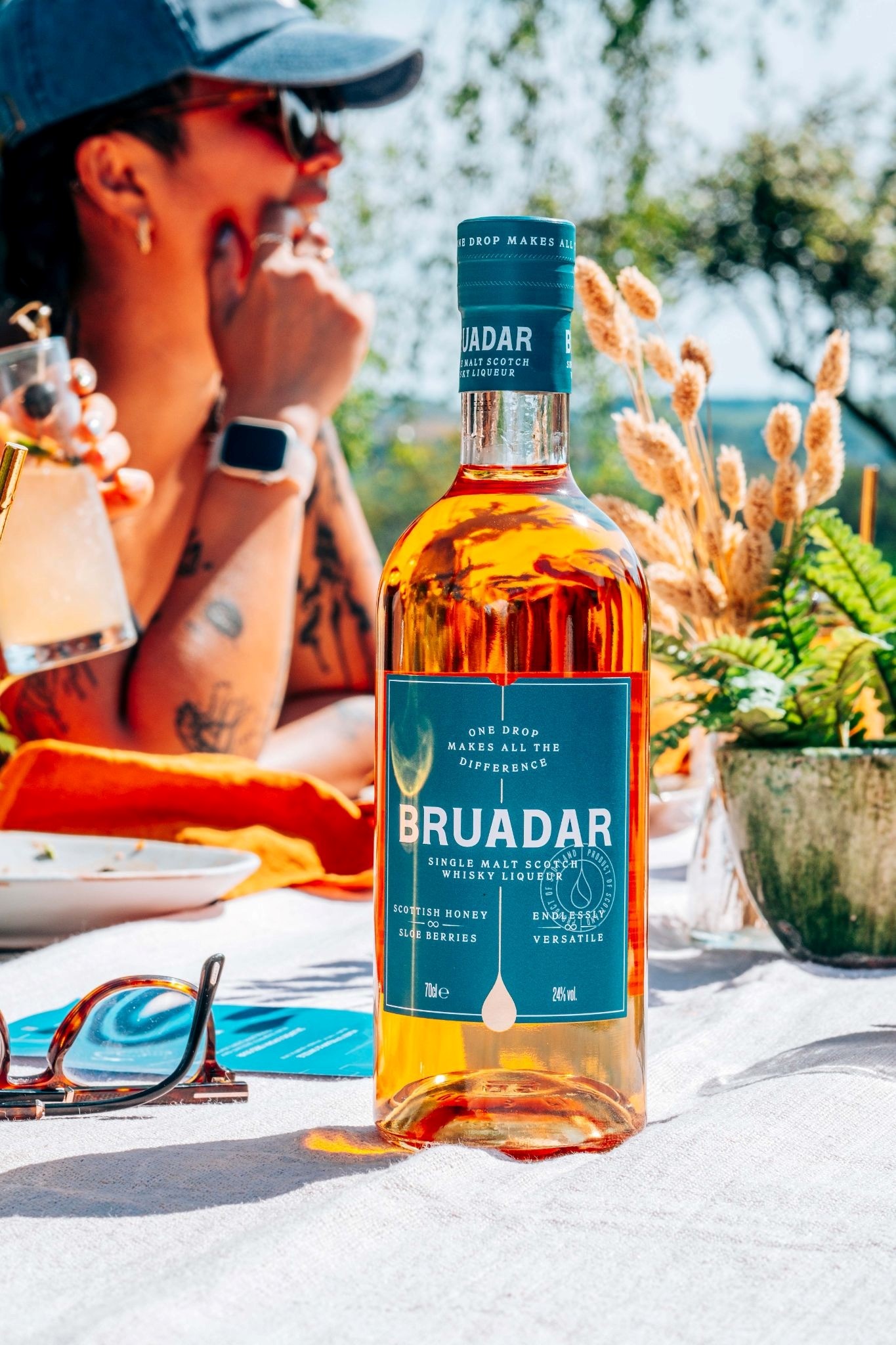
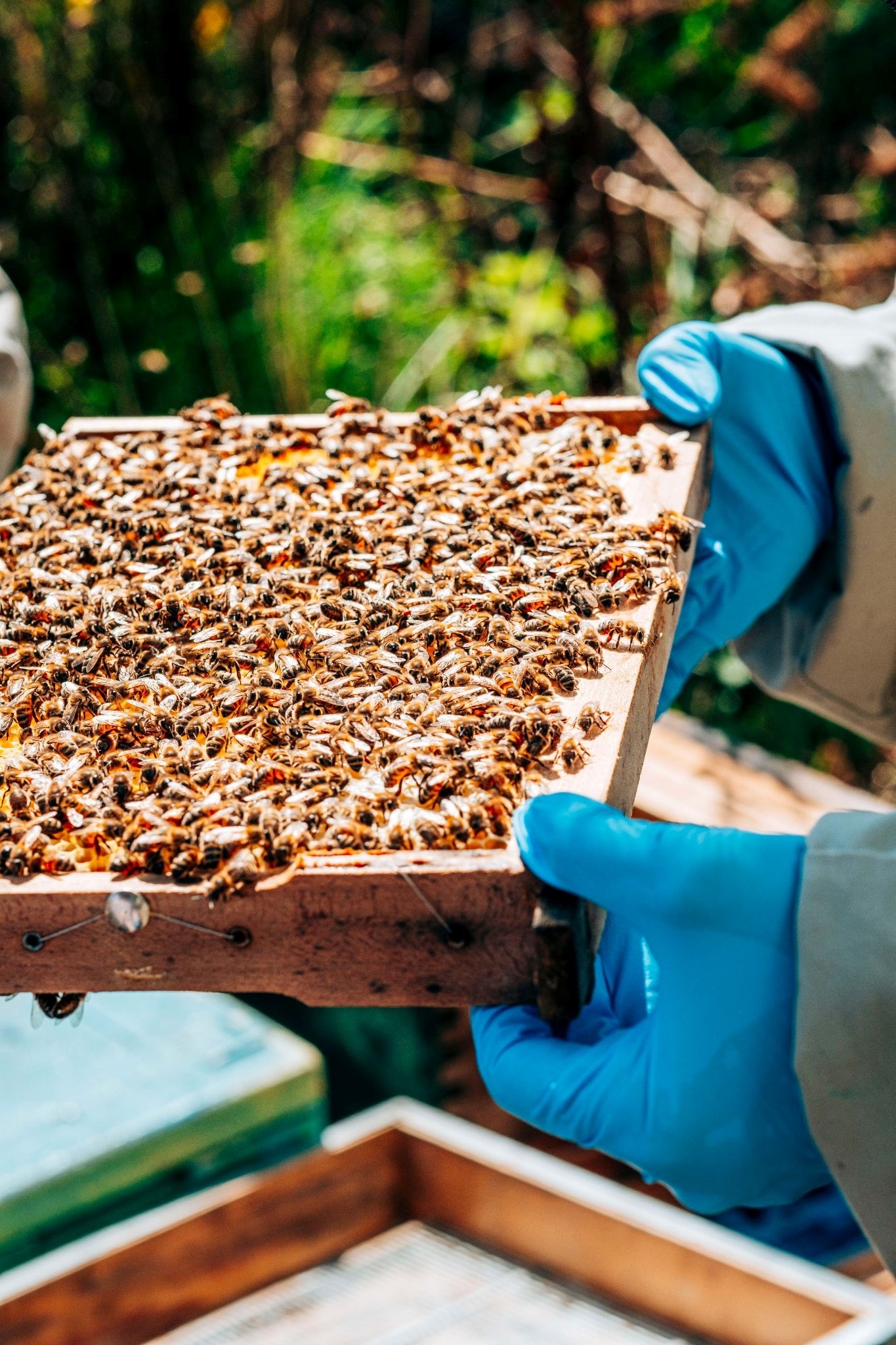
Bruadar – produced at Aberargie Distillery by Morrison Scotch Whisky Distillers, has a long-term partnership with local beekeepers Denrosa Apiaries, who manage hives on-site at the distillery and produce the honey used within Bruadar liqueur. Together, the collaboration highlights the importance of supporting local honey production and protecting pollinators across Scotland.
As part of the distillery partnership, Denrosa’s bees forage the surrounding Perthshire landscape near the distillery, with the local environment directly influencing the flavour and character of the honey used in Bruadar.
Helen McGregor of Denrosa Apiaries, whose family has been involved in beekeeping since her grandfather started the company post-war in the 1940s, says the partnership is an opportunity to raise greater awareness of the importance of bees in agriculture and everyday life.
“Working with Aberargie Distillery really demonstrates true collaborative working,” said Helen. “We can have bees working the land onsite, and in return producing honey for the distillery. Also, both being family-run businesses is good, and it’s been a way of life for us for a long time.”
According to Scottish Government figures, beekeeping continues to grow across Scotland, with more than 3,000 registered beekeepers now caring for over 40,000 colonies. However, changing weather patterns and habitat loss continue to present challenges for pollinators and those working within the industry.
“The seasons are definitely changing, which is challenging for beekeepers,” Helen explained. “The weather is crucial in beekeeping, like all aspects of agriculture, and we see a changing climate presents more challenges for us.”
“People can help by planting bee-friendly flowers and having wild areas with forage for bees,” said Helen. “There are not only honeybees, but lots of varieties of wild bees that all benefit from being given the right environment to thrive in.”
Helen also believes local honey production offers consumers a stronger connection to provenance and place.
“The bees will only fly up to three miles, so you know the honey they make is right from where the hives are located,” she said. “People do seem to want to know where their products have come from, so nothing better than what has been produced right on your doorstep.”
For Bruadar, the partnership with Denrosa reflects a wider commitment to supporting local producers and celebrating the natural ingredients that make Scottish food and drink unique.
Rebecca Davidson, junior brand manager at Morrison Scotch Whisky Distillers, said: “We’ve worked with Helen and the team at Denrosa Apiaries for the last three years and have seen firsthand how supporting local ecosystems has a direct impact on the environment.
“There’s been a well-documented increase in interest around beekeeping, and with more people becoming curious about how they can support bees in their own communities. Through our new beekeeping toolkit, we wanted to create something practical and accessible that encourages people to take small steps which can collectively make a big difference.
“At Bruadar, honey is at the heart of what we do, so working closely with local beekeepers at Aberargie Distillery has given us a genuine appreciation for the work involved in protecting pollinators and maintaining healthy ecosystems across Scotland.”
Helen added, “Bees are incredibly important to our environment. Their role in pollinating our plants is essential, and to be able to play a part in that is quite amazing.”
The toolkit is available below, via PDF and online via https://www.bruadarliqueur.com
BRUADAR’S BEEKEEPING SUPPORT TOOLKIT
1. Plant Bee-Friendly Flowers
Lavender, foxgloves, wildflowers and flowering herbs all provide valuable food sources for bees and pollinators.
2. Let Wild Areas Grow
Leaving small patches of grass, hedgerows or gardens to grow naturally can create vital habitats and forage areas.
3. Support Local Honey Producers
Buying local honey helps support Scottish beekeepers and sustainable local food production.
4. Reduce Pesticide Use
Avoiding excessive pesticide and chemical use can help protect bees and broader ecosystems.
5. Create Pollinator Habitats
Window boxes, gardens and community spaces can all be adapted to encourage pollinators.
6. Leave Bumblebee Nests Undisturbed
Where safe to do so, allowing wild bees to nest naturally can support local populations.
7. Learn More About Beekeeping
Joining local associations or attending beginner courses can help people better understand bee conservation. The Scottish Beekeepers Association page is a great place to start.
8. Support Biodiversity Projects
Backing businesses and initiatives focused on sustainability and biodiversity helps create healthier environments for pollinators.
Bruadar’s Beekeeping Support Toolkit can be downloaded via https://www.bruadarliqueur.com
About Bruadar
Bruadar is a handcrafted single malt whisky liqueur infused with honey and sloe berries, made at Aberargie Distillery in Perthshire, Scotland. A modern take on traditional liqueurs, Bruadar blends the richness of Scotch whisky with natural sweetness, offering a smooth and sophisticated spirit with a story rooted in nature.