The Whisky Show ‘A Tour of the Isles’ – Scotch Whisky News

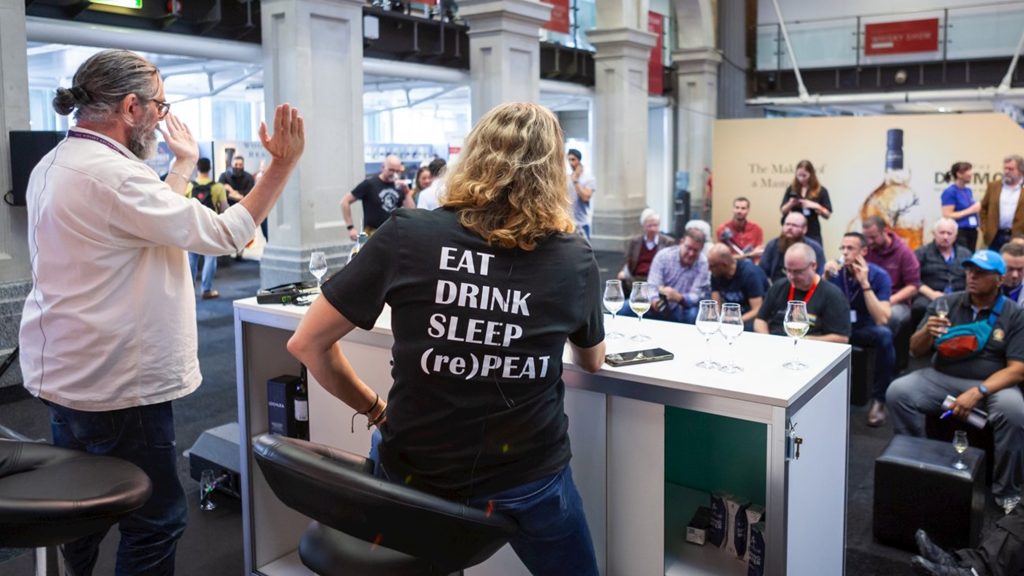
A TOUR OF THE ISLES
Home to some of the most remote distilleries and the communities that run them, the Scottish islands produce some of the most highly rated and passionately adored whiskies in the world.
It is easy, and frankly a pleasure, to imagine these distilleries clinging to the seashore as gales roll in from the Atlantic while the islanders toil away in a stage set of gleaming copper and hissing steam.
Certainly, these are Romantic settings, but the business of making whisky relies less on flights of fancy and instead on the gentle evolution of tradition and innovation.
ISLAY
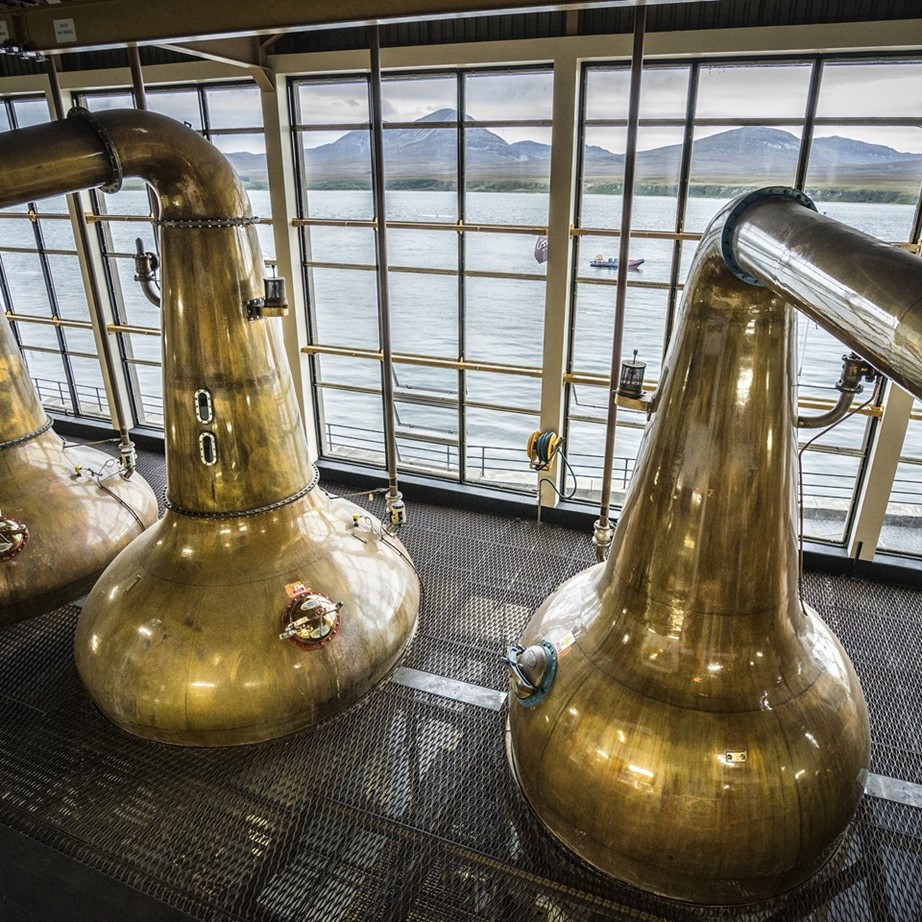
Unlike the other islands that crowd the Scottish coast, Islay is a Scotch whisky region all of its own. Historically, the island’s whiskies were heavily peated having to rely on peat as a local fuel source and drams like Kilchoman and Lagavulin continue in this vein.
However. peat isn’t the only string to Islay’s bow and you can find bright, briney whiskies from Bruichladdich and Bunnahabhain that have nay a whisper of smoke.
SKYE
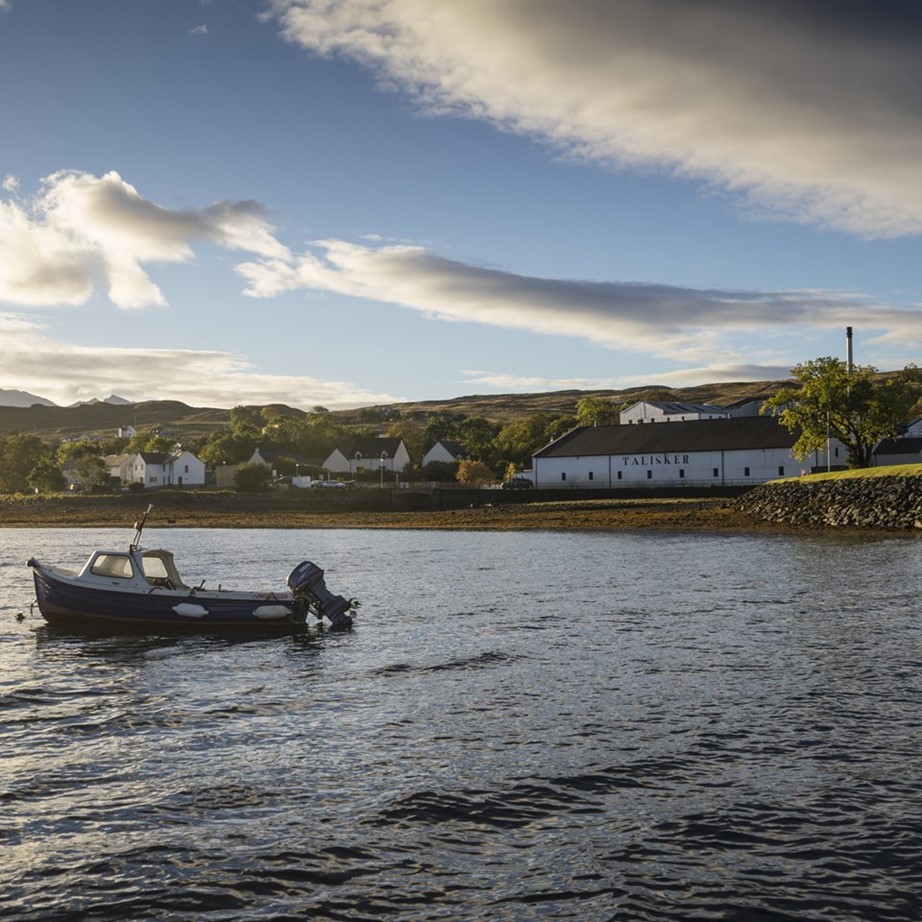
For decades Skye had only one distillery, the inimitable Talisker. This has now been joined by Torabhaig. Surrounded by the staggeringly beautiful landscape of Skye it is easy to see why they have both plummed for similar marketing lines, respectively; ‘Made by the Sea’ and ‘Shaped by Skye’.
Indeed both these drams have an elemental quality, whether that’s the brine and pepper of Talisker or Torabhaig’s more obvious peat smoke.
ORKNEY
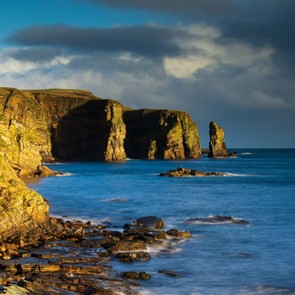
It is easy to forget that Orkney has two distilleries but Highland Park shares their island home with the smaller Scapa.
Two more different styles of whisky it is hard to imagine. Highland Park makes use of the island’s heathery peat alongside sherry casks for a rich and weighty dram. Scapa instead is full of bright orchard fruit with a lick of sea spray and is prized by blenders for its elegant top notes.
HARRIS
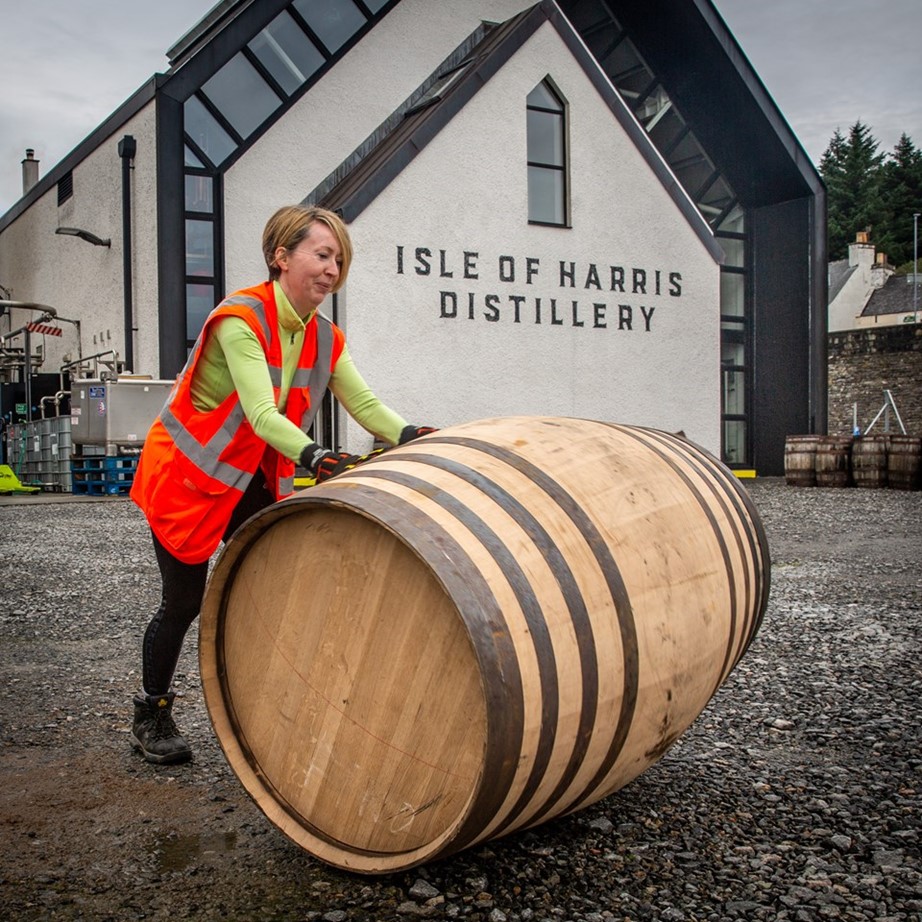
The surging Atlantic, the towering mountains, the purple heather and the white beaches mark Harris out and have made this such a special place for Hearachs to call home.
The Isle of Harris distillery was opened in 2015 to give work to the local community whether that’s in the business of making spirits or in running and supplying the busy onsite cafe, breathing new life into the island.
MULL
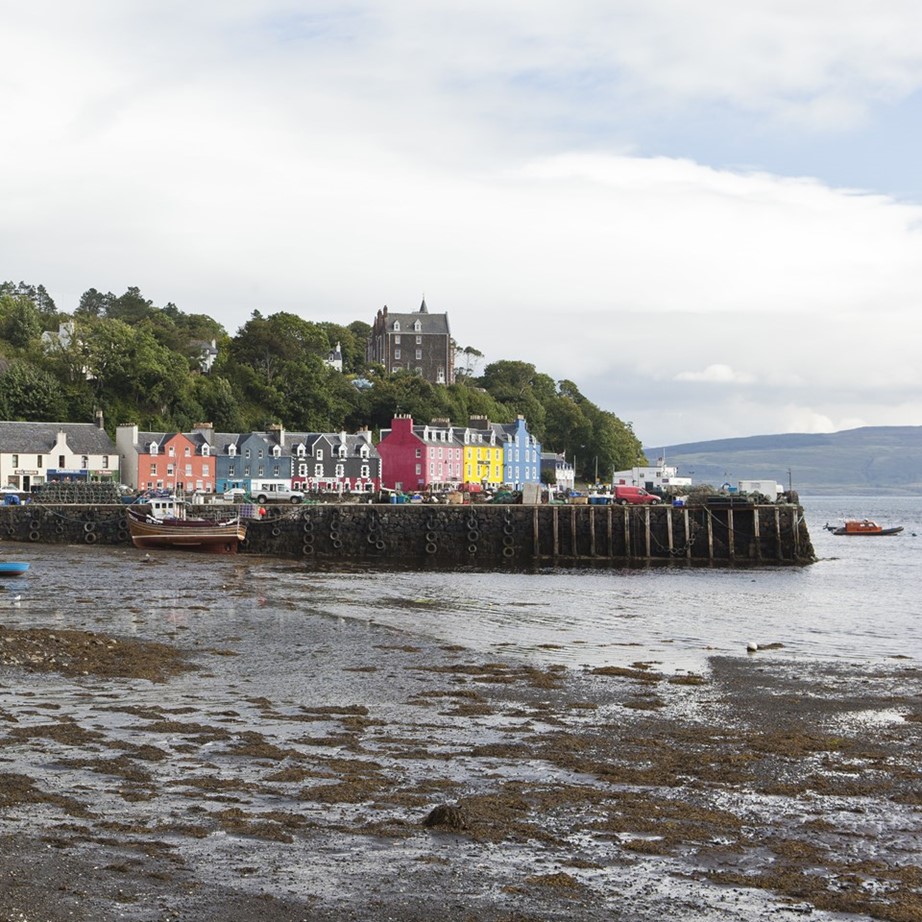
The only distillery on the Isle of Mull, Tobermory produces two distinct styles of whisky, the more delicate Tobermory and full on peat of Ledaig.
The distillery is hitting its stride with more whisky fans discovering and falling for the Ledaig’s winning combination of smoke, peat and sea spray particularly in more mature expressions.
ARRAN
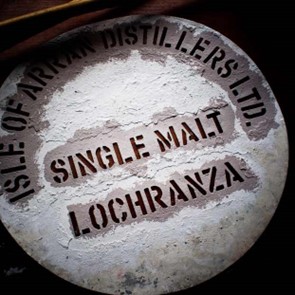
In its whisky-making heyday in the 1800s Arran, a convenient stop on the shipping lanes in and out of Glasgow, was home to no less than 50 illicit stills. Today there is only the one whisky company, with two distilleries, and that was founded in the mid-1990s.
Producing whisky at Lochranza and Lagg, in a similar vein to the other islands, the island has both peated and unpeated drams full of light and shade.
RAASAY
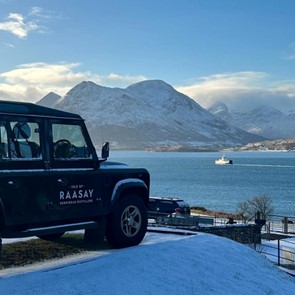
The isle of Raasay only recently joined the whisky-making world. The distillery was inspired by traditional whisky making, notably making both peated and unpeated whisky and then blending them together.
The team have also embraced more contemporary styles of cask. The makeup of their flagship malt sees them age their peated and unpeated whiskies separately in ex-rye, chinkapin oak, and ex-Bordeaux wine casks for a full, rich profile.