Exploring Irish Whisky at The Whisky Exchange – Irish Whiskey News
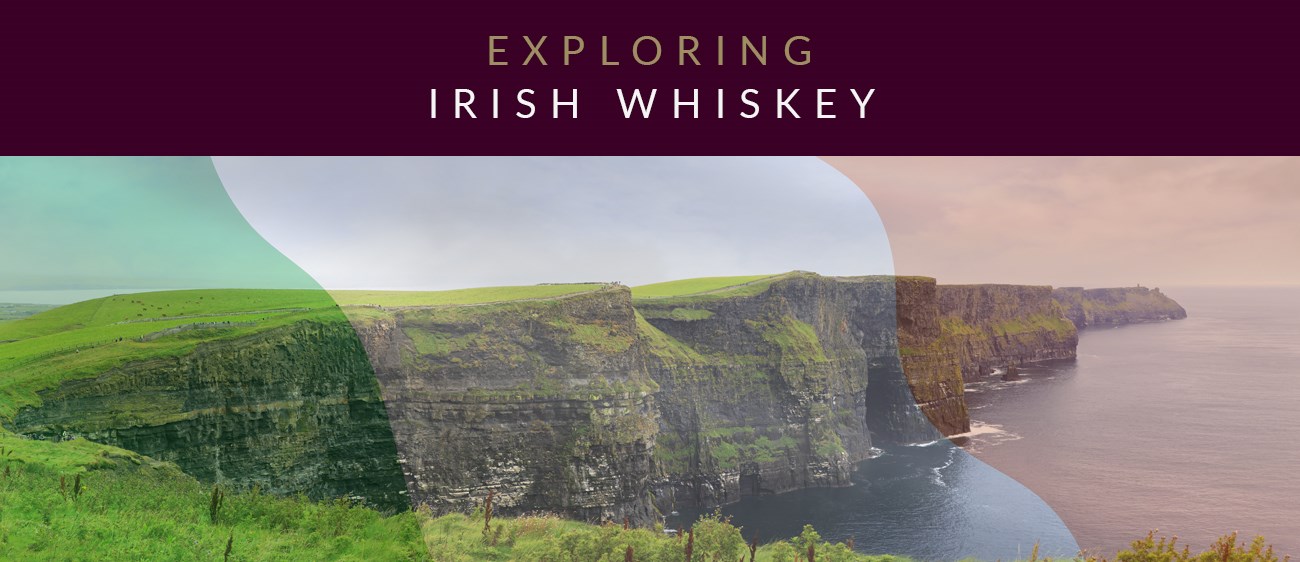
As one of two countries with a very real claim to the invention of whisk(e)y, Ireland is, perhaps, unfairly overlooked by many whisk(e)y drinkers.
After the Irish whiskey industry fell on hard times in the first half of the 20th century, only two Irish whiskey distilleries remained operational, carrying the torch for Irish whiskey and coaxing its smouldering embers into the roaring success it is today.
This success is visible through the ever-increasing number of great Irish whiskeys available, which are produced by active distilleries, nascent distilleries and bottlers in a variety of styles. Explore the vibrant world of Irish whiskey below, and take a moment to read a blog post from Sukhinder Singh, co-founder of The Whisky Exchange, to hear about his own love affair with Irish whiskey.
SHOP IRISH WHISKEY READ SUKHINDER”S BLOG POST
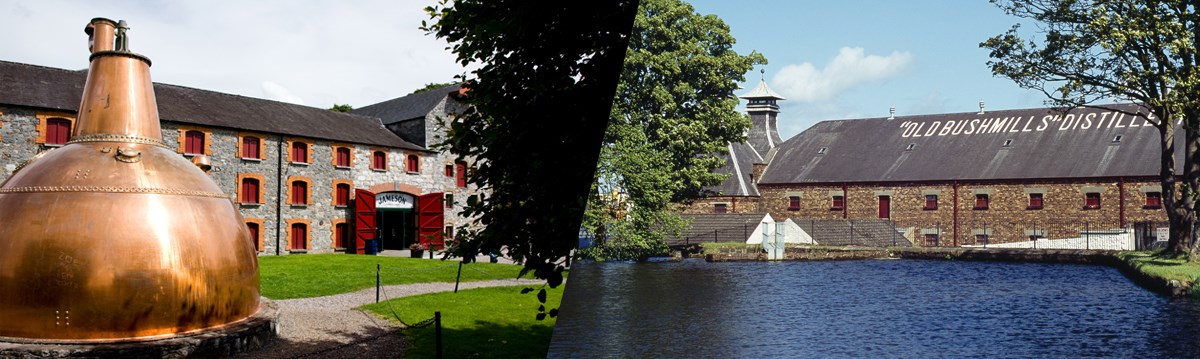
SINGLE MALT VS. SINGLE POT STILL
Two very distinct styles of whiskey – one has become commoditised all over the world, while the other has become the darling of Irish spirits. Both, however, have pedigree on the Emerald Isle.
SINGLE MALT
Single malt is made in the same way in Ireland as it is in Scotland, though to this day – for how much longer, we can’t be sure – Bushmills remains the only distillery with warehouses full of its own well-aged single malt Irish whiskey, and the distillery does a roaring trade with fledgling distilleries and indie bottlers for its mature stocks, which go back decades.
SINGLE POT STILL
Single pot still whiskey, on the other hand, has become Irish whiskey’s call-sign. Made with a blend of malted and unmalted barley – although small amounts of wheat and oats, among others, are also permitted – the resulting spirit tends to be round and full-bodied, sweet, spicier than single malt, and notable for its often pronounced orchard- and tropical-fruit notes.
DISTILLERIES VS. BOTTLERS
With Irish whiskey’s burgeoning popularity, it’s no surprise that there’s a veritable flood of people looking to get in on the game – made all the more apparent by the the flocks of fresh bottles that have hit shelves in recent years.
Distilling and maturing spirit is a pursuit for the patient, though – as with Scotch whisky, Ireland requires a minimum of three years of aging in casks before the liquid can be called whiskey.
As such, some start-up distilleries might make gin, vodka and other spirits to cover costs while they work toward that threshold, but just as many others are keen to build their brand and bottle the good stuff while they wait.
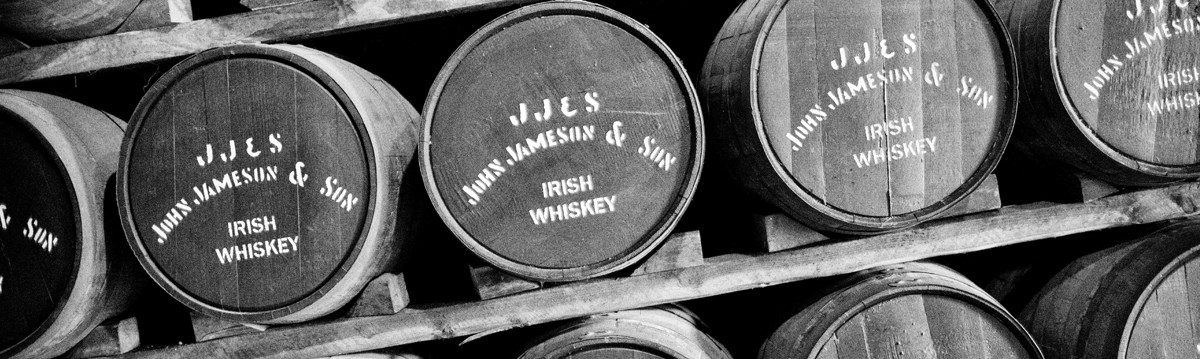
To do this, young distilleries often bottle whiskey by buying casks from older, more established distilleries – a practise of which there is a long tradition in Ireland, where individual merchants have a history of buying casks from distilleries before blending and bottling their own, bespoke whiskies.