International Scotch Day February 8th, 2018 – Scotch Whisky News
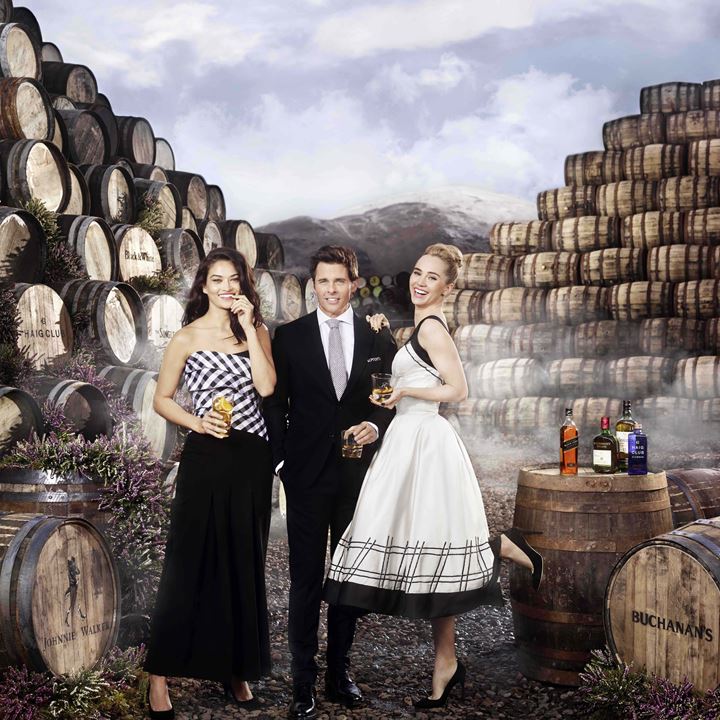
International Scotch Day February 8th, 2018
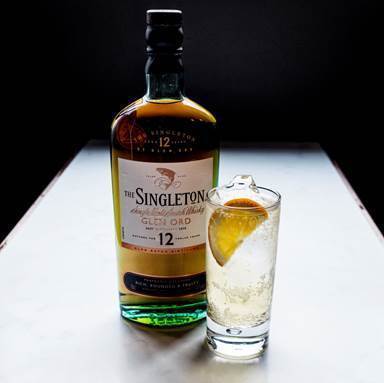
Scotch & Soda
By Ervin Trykowski, Global Singleton Ambassador
Ingredients:
50ml Singleton 12 Year Old
Soda water
Orange Slice
Method:
Add cubed ice to a highball glass, add 50ml Singleton 12 YO, Top with chilled soda water, garnish with orange slice.
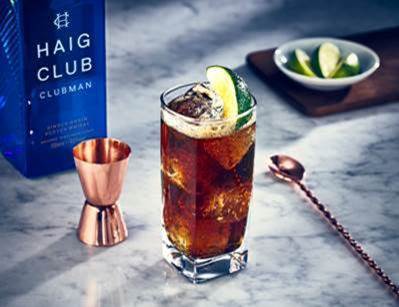
Haig Clubman & Cola
Ingredients:
25ml Haig Club Clubman
Cola
Slice of lime
Method:
Measure out 25ml of Haig Club Clubman and pour over ice in a highball glass. Fill the glass with cola and garnish with a slice of lime.
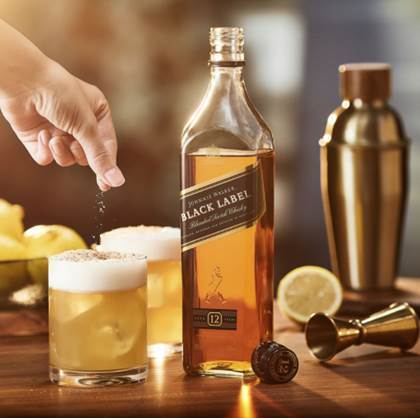
Johnnie Walker Whisky Sour
Ingredients:
1.5 oz. Johnnie Walker Black Label
Dash of Angostura bitters
1.5 oz. lemon juice
5 oz sugar syrup
1 egg white
Method:
Fill a shaker with ice cubes. Add 1.5 oz. Johnnie Walker Black Label. Add a dash of Angostura bitters, 1.5 oz. lemon juice, 5 oz sugar syrup and 1 egg white. Shake until cold before straining into a tall glass.
International Scotch Day – Scotch Facts
1. Only three basic ingredients are used to make Scotch – water, cereals and yeast.
2. Scotch can only be made in Scotland – All Scotch is whisky but not all whisky is Scotch – Scotch whisky has to be produced in Scotland, whereas other whiskies are made in other countries, such as Bourbon in the United States.
3. Scotch can only be matured in oak casks, in Scotland and for a period of not less than 3 years.
4. Scotch is the world’s favourite whisky – Scotch takes the lion share of all whisky sales globally pushing over half of all sales of whisky worldwide.
5. Johnnie Walker is the world’s bestselling Scotch – with more than 17 million cases sold globally every year.
6. There’s no e in (Scotch) whisky – in Scotland we’ve always spelled whisky without the “e”, it is believed that the time saved by omitting writing the “e” on labels left more time to enjoy the liquid.
7. Age isn’t everything – whilst Scotch needs to age in oak casks in Scotland for a minimum of three years to be officially classified as Scotch, aging is just a way of creating a different flavour profile by the way the whisky interacts with the cask. It doesn’t mean it’s necessarily better, it just depends on what you like from a whisky. No age statement? No problem.
8. Today’s rain is tomorrow’s whisky -which maybe explains why there’s so much Scotch in Scotland. After all, the term ‘whisky’ derives originally from the Gaelic ‘uisge beatha’, or ‘usquebaugh’, meaning ‘water of life’.
9. Scotch doesn’t need to be drunk neat and some of the most well-loved classic cocktails are made with Scotch – and increasingly Scotch is dominating the cocktail menus in some of the world’s best bars, with bartenders loving the diversity of flavour which no other spirit can match. Some people will tell you it’s made to be tasted neat with no ice or mixer – don’t listen to them.
10. Malt vs Blents what’s the difference? A single malt whisky is from one distillery only. Blended Scotch, like Johnnie Walker, mixes two or more whiskies from different distilleries around Scotland to create a unique taste, featuring different flavour groups including sweet, smooth or smoky.
11. Tasting – Every Scotch has a unique set of flavours. If you want to look and feel like a Scotch buff, try tasting it like the professionals do: noting the flavours of your drink ‘on the nose’, ‘tongue’ and ‘throat’. Smell the Scotch, swish it around in your mouth a little to taste it and finally pay attention to how it feels as it hits the back of your throat.
12. Scotch at your dinner party – Experiment with food and drink pairings. Light, sweet whiskies can match perfectly with seafood, so go for a lighter flavour-led whisky whilst fuller-bodied whiskies will go well with cheese courses and rich deserts. If you’re brunching, why not try a Johnnie Walker Black Label Bloody Mary?