Archive for 2011

Dennis A.D. Malcolm; Glen Grant Master Distiller- Glen Grant Sunday – Scotch Whisky News
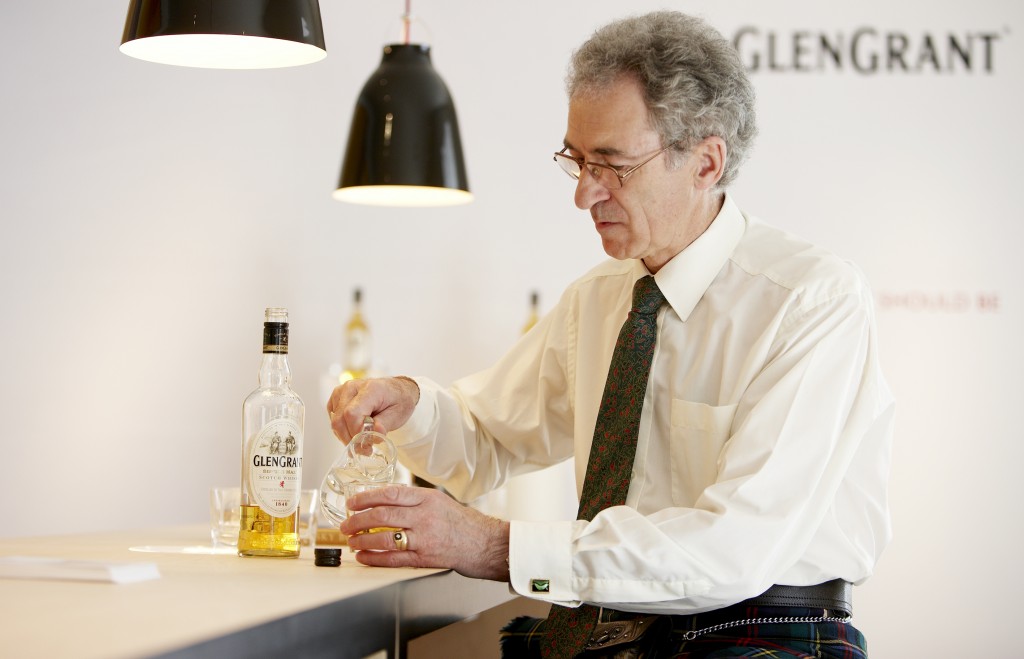
Glen Grant Master Distiller Dennis Malcolm

Glen Grant Master Distiller Dennis Malcolm

Biography

Dennis Malcolm seems to have been destined for his role as Master Distiller for Glen Grant Single Malt Scotch Whiskies. His connection with Glen Grant began on the very day he was born as he first entered the world on the distillery grounds in 1946.

Dennis’ long history with Glen Grant has developed over the years as his passion for its single malts has grown. He now has almost 50 years of experience in the whisky industry after beginning his career at Glen Grant in 1961 as an apprentice cooper.

Over the years Dennis has gained a wealth of experience as Distillery Manager for Glen Grant, Glenlivet and others, as well as being a Brand Ambassador for Strathisla Distillery where he became involved with introducing VIPs and guests to the world of scotch whisky.

Today, Dennis manages and directs Glen Grant for Gruppo Campari with uncommon passion and unrivalled knowledge of the industry. He is also an incomparable tour guide through Glen Grant’s distillery and splendid gardens which he illustrates with anecdotes delivered with a twinkle in his eye and a charismatic Scottish brogue.

Following in the footsteps of the Grant family, famous for being pillars in their local community, Dennis is also a leading figure in Glen Grant’s historical site of Rothes, Scotland. An appointed Justice of Peace, Convenor in his local Church and member of the local school board, Dennis is involved at all levels of the town’s leadership.

When not at Glen Grant, in the courts, church or school, Dennis enjoys gardening, golfing and caravanning.

Glen Grant Q&A

Q. Can you describe the taste of the 25 Year Old?
A. The new 25 Year Old single malt boasts an intensely, rich palate with an array of deeply fruity flavors. It features soft sultana notes, sweet Oloroso Sherry aromas, inter laced with hints of heather honey and a powerful long, lingering finish. In contrast to the distillery’s customary clear, light gold single malts, the 25 year old boasts a deeper, more intense dark amber brown colour – a result of careful cultivation in sherry oak casks at the 170 year old distillery, where it matures over time to create a fresh and natural Single Malt Scotch whisky.

Q. Why was the decision made to launch the 25 Year Old in France and Asia Duty Free?
A: France is the biggest market for whiskies in the world and is also Glen Grant’s second best selling market, globally. Duty Free is the third biggest market in the world for single malts sales, and Asia as the fast growing region is an ideal platform for high quality whiskies and Limited Edition products, with highly discerning consumers purchasing.

Glen Grant has been deemed a major factor behind the growth of the Single Malt segment in France, with a very loyal consumer base who appreciates the light, fruit and floral profile of Glen Grant. To thank them, we wanted to offer them this new 25 Year Old edition, which is truly unique to them.

Q: When will the 25 Year Old be available to purchase?
A: The 25 Year Old is launching at the beginning of summer 2011. Following the event, it will be available nationwide in France and through Asian Duty Free outlets from late June in specialist whisky outlets.

Q: What is the typical alcohol content of the 25 Year Old?
A: The 25 Year Old single malt has a typical ABV (alcohol by volume) of 43%.

Q: What is the alcohol content of other Glen Grant’s single malt scotch whiskies?
A: Here is the alcohol by volume for Glen Grant’s single malt scotch whiskies:
• 16 Year Old, 43%
• 10 Year Old, 40%
• Major’s Reserve, 40%
• the 1992 Cellar Reserve, 46%
• 170th Anniversary Limited Edition, 46%*

* For Limited Editions extension the exact alcohol by volume is defined case by case.

Q: Why add a 25 Year Old single malt to the range?
A: The 25 Year Old extends the range of Glen Grant’s single malt scotch whiskies and offers French and Asian Duty Free whisky connoisseurs a new expression to enjoy. It has a more intensely fruity flavour and a softer palate. In general, having a range of aged expressions is extremely important, to effectively expand globally and compete internationally in the single malt segment.

Q: How would you describe Glen Grant’s Single Malt Scotch whiskies?
A: Glen Grant’s whiskies are distinctive for their bright colour, easy drinking quality, ripe orchard fruit taste, and their soft, almond finish.

Q: Can you make cocktails with Glen Grant’s Single Malts?
A: Glen Grant’s elegant, light taste is best enjoyed undiluted by other spirits or mixers. Try adding a splash of spring water, just as Glen Grant’s own James ‘The Major’ Grant did.

Q: How is Glen Grant made?
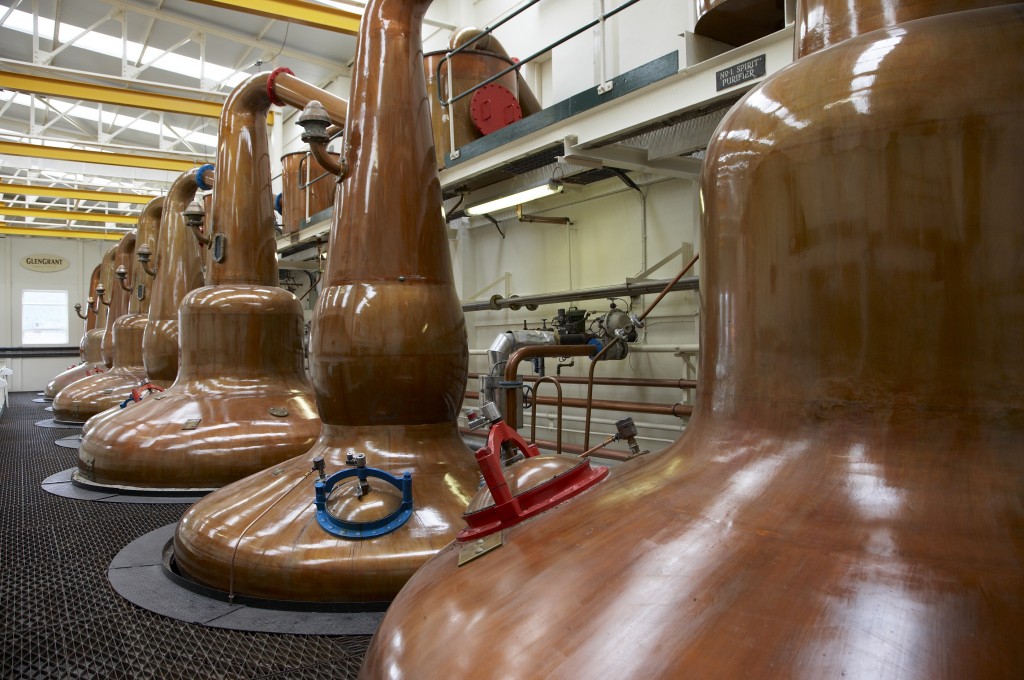
A: Quite simply, Glen Grant is a combination of highland spring water, heat, malted barley and yeast, experience and utmost dedication. No tricks or gimmicks, just a time-honoured process that has been perfected over generations. The light, yet complex spirit is the result of the tall slender stills and special purifiers James ‘The Major’ Grant introduced over a century ago and are still used to this day. He knew his customers were looking for an alternative to the heavy, assertive whiskies but unlike many other whisky makers, he wasn’t prepared to compromise by developing a blend. Glen Grant’s unique colour develops as it is stored carefully in oak casks and matures over time, creating clear, fresh, natural single malt scotch whisky.

Q: How is the process different for the 25 year old?
A: The 25 Year Old is produced in exactly the same way as all Glen Grant single malt scotch whiskies. However, iIt is aged over 25 years in a unique selection of sherry casks to produce its dried fruit, honeyed notes.

Q: How much will the 25 year old cost to buy?
A: The 25 year old has a projected retail price of 200 Euros.

Q: What are the differences between each of the single malts?
A: Each single malt has its own unique colour, palate and finish. Each expression is aged in carefully selected casks to create its unique flavour. All the single malts share the clear, bright golden Glen Grant colour, though each has its own tone, and the Glen Grant rich, fruity, easy drinking taste.

MARKETING

Q: What makes Glen Grant Single Malt Scotch whiskies distinctive?
A: Glen Grant’s whiskies are distinctive for their easy drinking quality, bright, clear golden colour and seductively smooth, fruity, rich taste. Glen Grant’s tradition of innovation began in 1840, the year it was founded. Its unique distillation process was invented by James ‘The Major’ Grant. It is distilled in tall, slender stills, which, coupled with its unique purifiers, ensure that only the smoothest and softest spirits go on to become Glen Grant Single Malt Scotch whisky.

Q: Where is the 25 Year Old produced?
A: Glen Grant is produced at the Glen Grant Distillery, founded in 1840, in Rothes, Speyside, Scotland.

Q: Where is Glen Grant most successful?
Glen Grant is most successful in Italy, France, Germany and Spain.

Q: Is the 25 Year Old Single Malt designed to appeal to a different consumer?
A: The 25 Year Old was created to offer a new, more intensely fruity and floral expression of Glen Grant to connoisseurs. Expressions aged over 12 years generally appeal to a connoisseur market, who prefer a more assertive taste. However, the 25 Year Old will also appeal to every day whisky drinkers thanks to the smooth finish that Glen Grant whiskies are famous for. The gift market will also be important for the 25 Year Old.

Q: Does a 25 Year Old Single Malt mean a superior flavour?
A: Glen Grant is extremely proud of all its elegant, easy drinking single malt whiskies, the 25 Year Old expression offers a more intense, fruity and honeyed palate and a long, lingering finish. A superior flavour of malt comes from the quality of spirit that is aged, the casks it is placed in and the flavour that these casks give the whisky. An aged single malt means a different, not superior, flavour.

Q: What is the difference between a single malt and a blend?
A: A single malt is a malt that has come from just one distillery. Each single malt has its own distinctive, unique taste, colour and finish. A blend is made from a mix of single malts, but typically just 20-30% of a blend is these single malts. The rest of the spirit is made quickly from wheat and maize. A blended malt is typically an easy drinking whisky; Glen Grant Single Malts were created to offer an easy drinking quality without the compromise of a blend.

Q: Who owns Glen Grant?
A: Glen Grant has been part of Gruppo Campari since 2006.

Glen Grant Distillation – Glen Grant Sunday – Scotch Whisky News

glen_grant_distillery_21

The Difference, Distilled
Quite simply, Glen Grant is a combination of highland spring water, heat, malted barley and yeast, experience and utmost dedication. No tricks or gimmicks, just a time-honoured process that has been perfected over generations.

So what makes Glen Grant so distinctively different? We have James ‘The Major’ Grant to thank for that. The light, yet complex spirit is the result of the tall slender stills and special purifiers he introduced over a century ago and are still used to this day. He knew his customers were looking for an alternative to the heavy, assertive whiskies but unlike many other whisky makers, he wasn’t prepared to compromise by developing a blend.

Glen Grant’s unique colour develops as it is stored carefully in oak casks and matures over time, creating clear, fresh, natural single malt Scotch whisky. Just as it should be.

1) Milling
Single Malt Scotch Whisky is made from malted barley, spring water and yeast. The distillery receives deliveries of malt which is stored until required – storage capacity: 340 metric tonnes. To produce malt, barley is first steeped in warm water then drained. This starts the germination process which generates natural enzymes within the grain and releases protein and starch. Starch is the raw material from which sugar and spirit is obtained.

The Mill room
The milling machine has two pairs of rollers, one above the other. The top pair cracks open the malt and the lower pair grinds the malt into grist (ground malt).

2) Mashing, the Mash
Inside the mash tun the grist is mixed with heated spring water which is added in four stages of increasing temperatures to extract the sugar. The contents are left to soak (mash) for several hours, producing a sugary liquid called wort. This is drained off through a mesh floor at the base of the mash tun, leaving the draff (residual grain) to be collected.

The first two waters are cooled and transferred to the next stage, while the third and fourth waters make a final extraction of sugar and are returned to the hot water tank to be recycled as the first and second waters of the next mash. After the final water has drained off, the remaining draff is conveyed to the dark grains plant, located next to the distillery, where it is converted to animal feed.

3) Fermentation, the Tun Room
The Tun Room is made up of ten large wooden vats called wash backs (made from Oregon pine) that are used to collect the cooled wort (sugary liquid). It is here that yeast is added as they fill. During the next 42-48 hours the action of the yeast on sugar produces alcohol, generating a frothy head at the peak of fermentation. This frothy head is controlled within the wash backs by switchblades driven by motors on top of the wash backs. Once fermentation is complete, the contents, now called wash, are pumped to the wash charger (holding tank) in the still house ready to be distilled.

4) First Distillation, the Still House
In the Glen Grant Still House there are four wash stills and four spirit stills arranged in pairs to produce four distillation units. The first stage of distillation takes place in the larger wash still where fully fermented wash is carefully boiled by passing steam through stainless steel heating pans inside the still. Alcohol vapours rise to the head of the still, pass down through a purifier, then a condenser and finally through a spirit safe below to be collected as low wines. The purifiers, unique to Glen Grant, ensure the spirit produced in light but at the same time complex, allowing only the purest vapour to pass from the still to the condenser. The cooling water for the condensers is provided from the cooling dam outside the still house.

5) Second Distillation, the Still House
The low wines go through a second distillation in smaller spirit stills, but this time collection is split into three parts. The first part called “foreshots” and the last part called “feints” are collected and mixed with the low wines in the low wines receiver ready to be re-distilled. Only the middle cut (spirit) is taken off to be filled in oak casks, which will eventually become Glen Grant Single Malt Scotch Whisky. – Low wine and feints strength (30% by volume) – New spirit strength (70% by volume) – Wash still volume (15,000 litres each) – Spirit still volume (10,000 litres each)

6) Maturation, The Warehouse
There are three methods of storing casks in warehouses, Traditional, Racked and Palletised. The Glen Grant Warehouse is a traditional warehouse and allows storage to a height of three casks. The new spirit is filled into oak casks, and is then left undisturbed until fully matured. During this time a portion of the whisky will evaporate, approximately 2% per year – this is called the Angel’s Share. By law, the spirit must mature for a minimum of three years before it can be called Scotch whisky. The tall slender stills, unique purifiers and the special selection of casks used for maturation all combine to give Glen Grant its light fresh character. This was the vision of one extraordinary individual, Major James Grant, and is what still makes Glen Grant clearly different from any other whisky.

Glen Grant Distillery History – Glen Grant Sunday – Scotch Whisky News

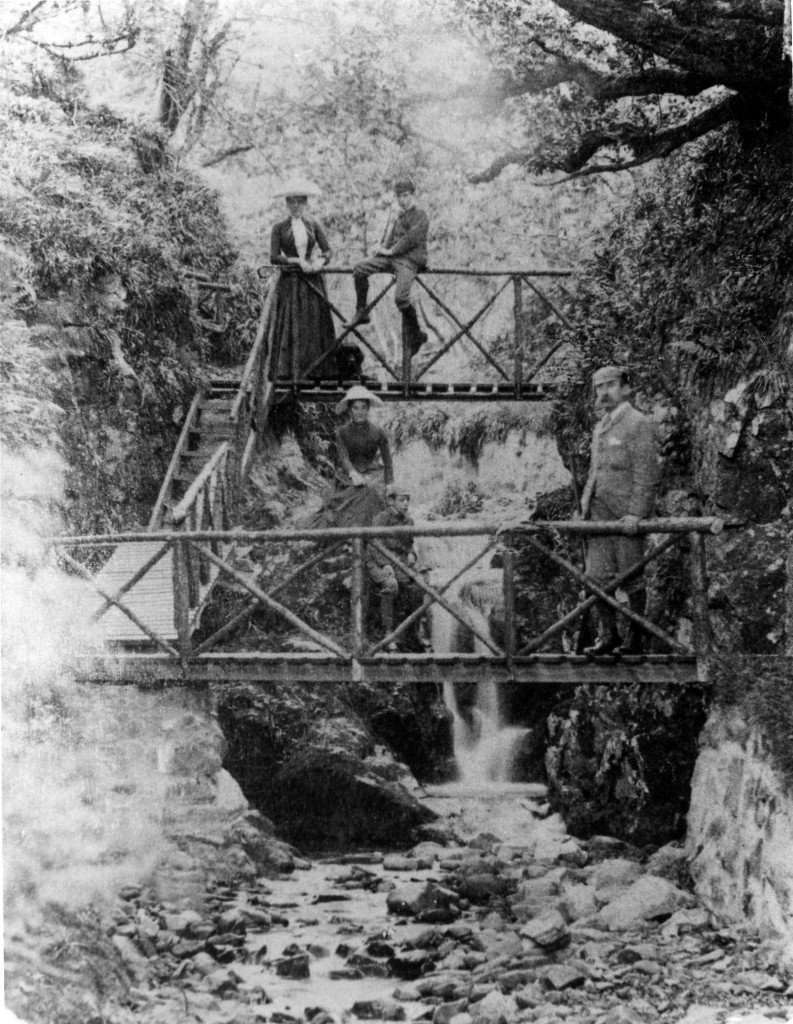
Major James Grant with his family

Major James Grant with his family

Glen Grant Distillery History

Glen Grant is born
In 1840, former smuggling brothers John and James Grant decided to take out a licence. With the sea and port of Garmouth nearby, the River Spey at its feet, peat in the vicinity, and barley-growing plains in close proximity, all the basic ingredients of malt whisky were readily available.

The two “Sons of Malt”, John and James Grant had found the one place on earth where Glen Grant Single Malt Scotch Whisky could be made.

A new ‘Glen Grant’
By 1872, the founders of Glen Grant Distillery had passed away. Young James ‘The Major’ Grant, just 25 at the time, had always taken a keen interest in the distillery, and having inherited the business and the title ‘Glen Grant’ from his uncle John Grant, intended to prove himself a worthy successor.

Boom and expansion
Stories about The Major abound. A legendary innovator, socialiser and traveller, he lived by his own rules and set his own standards. New ideas fascinated him and he wasn’t afraid to explore them. He was the first man in the Highlands to own a car. Glen Grant was the first distillery to have electric lighting. He introduced the tall slender stills and purifiers which created the fresh malty flavour and clear colour that defines Glen Grant Single Malt Scotch Whisky to this day.

The Gardens
The Glen Grant Distillery is also known for its beautiful landscaped gardens. Established by The Major himself in 1886, they were a point of pride for him and his visitors would often take long walks through the green as well as explore the exotic conservatories. At one point there were 15 gardeners employed solely to tend the 27 acres that included vast greenhouses as well as a large and functional kitchen garden.

Today, the garden is re-opened to the public after its extensive restoration which began in 1993 and ended in 1996. It remains an extraordinary testament to late 19th century Victorian gardening style.

The Second Distillery
Over 25 years after The Major took over Glen Grant, he decided to build a second distillery across the road from the first. Originally called ‘Glen Grant 2’, and later known as Caperdonich, after the well from which both distilleries draw their water from to this day, the distillery was connected to the original building via an underground pipeline through which the whisky was run.

An end and a beginning
In 1931, Major Grant, the last of the Grants, died, leaving behind his three daughters and one of the most famous distilleries in the world. Douglas MacKessack, his grandson, was his successor.

The family expands
In 1972, the Glenlivet and Glen Grant Distilleries Ltd merged with the blending concerns of Hill, Thomson and Co. Ltd and Longmorn Distilleries Ltd to become The Glenlivet Distillers Ltd. The original family interest in the distilleries was maintained, with two substantial outside shareholders: Courage Ltd, the brewing concern and Suntory Ltd, the Japanese distilling company.

New ownership
In 2006, Gruppo Campari acquired Glen Grant from Pernod Ricard. To this day, Glen Grant continues to be one of the greatest selling single malts worldwide.

A new chapter
In 2008 Gruppo Campari completed the rebranding and rebuilding of Glen Grant’s image with the inauguration of the new visitor centre that welcomes visitors into the uniquely different whisky experience that is Glen Grant.

Anniversary
With 2010 seeing the celebration of the 170th anniversary of Glen Grant and its proud history, the Glen Grant story will continue to maintain the standards and traditions of the Grant family and their descendents thanks to the skill and determination of the people in Speyside.

170 Years of Excellence and Experience
So many years of whisky making, so few men involved. This short list illustrates the names of the Master Distillers selected to oversee the production process and ensure all materials and procedures were of the utmost quality.

Pre 1898 George Grant
1898-1941 James Cumming
1941-1969 James Smith
1969-1983 Ernest Sherret
1983-1992 Dennis Malcolm
1992-1996 Willie Mearns
1996-2005 Robert Mac Pherson
2005-2006 Hamish Proctor
2006 – Dennis Malcolm

Master Blenders

A Master Blender is responsible for ensuring consistency of colour, taste and palate in each single variety of single malt produced. They carefully select and blend the whiskies from different casks to create each single malt’s unique taste and colour. Glen Grant’s entire history of Master Blenders features just a select few. Over almost 170 years, only four names have been involved: the founding brothers, John and James Grant, James’ son, ‘The Major’ Grant, his grandson, Major Douglas MacKessack, and Albert Stephen, who was introduced to Glen Grant by Major MacKessack and worked alongside him.

Albert Stephen remains Master Blender to this day, continuing a direct line from Glen Grant’s founding fathers to the present and ensuring that the distinctive characteristics and quality of Glen Grant Single Malt Scotch Whisky can be enjoyed by a new generation.

Historical Notes & Anecdotes

Historical Notes
The Glen Grant distillery is the only one named after its two founders, James and John Grant.

Glen Grant was obliged to close its doors during the two world wars because of a lack of barley, just like most distilleries in those days.

Glen Grant was the only distillery in Rothes for the 40 years following its establishment. Today there are five active distilleries in the city.

1840, the year of the founding of Glen Grant was also the year when:
• Queen Victoria married Albert of Sax-Coburg Gotha
• Charles Dickens wrote The Old Curiosity Shop
• The Penny Post was born

In 1861, Glen Grant Distillery was the first of any industrial premises in the North to have electric power and lighting.

Upon John Grant’s death on August 26, 1864 (age 67) Glen Grant was so successful the firm was making the government a colossal £30,000 in spirit duty.

Anecdotes
A local legend says that the inhabitants of Rothes have invented a stratagem to reroute a part of the whisky for themselves, taking it directly from the pipe-line.

Because of the Grant’s heavy involvement with bringing the first rail service to the north, one of the engines included in the Lossimouth-Elgin-Rothes route in 1851 was named Glen Grant.

Founder James Grant was said to always have carried a one hundred pound bank note with him, particularly when he had business to transact with neighbouring farmers. Having concluded a deal he would produce the note in payment and, as few country people in those days could find change for that amount, James always got extended credit.

James Grant’s public life was so successful it earned him the unofficial title of “The Provost of Scotland”.

In 1865 the distillery was expanded incorporating a unique design of still being set up with a big pair of wash and spirit and a small pair of wash and spirit. Naturally, the small spirit still became affectionately known to all employees and staff as “Wee Geordie”, and this title remained until further expansion was necessary in1987 when Wee Geordie was renamed Big Geordie. (Wee Geordie is on display on the Glen Grant grounds to this day).

glen_grant_gardens_5

How To Combat The Snow – Japanese Whisky News

suntory

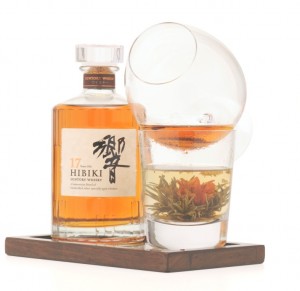
When the big snows come in Japan they keep company with a Hibiki Taisetsu cocktail

London November 2011: Whether you love it or hate it, when heavy snow falls follow the Japanese example. Celebrate it or commiserate by enjoying a cocktail that lifts the spirits, the Hibiki Taisetsu. Within the 24 Japanese seasons Taisetsu means ‘The big snow’.

image0003

Hibiki Taisetsu

40ml Hibiki 17 year old whisky
20ml Umeshu plum sake
2 drops chocolate bitters
20ml hot water
Orange zest
Stir all ingredients with green tea
Double strain into warm balloon glass
Place tea (flower) in old fashioned glass, top up with hot water

Place balloon glass on top to retain warmth

Mid December is the time of the winter solstice, for which the Japanese have a name and a cocktail – Yamazaki Toji. With 24 cocktails to see in the 24 Japanese seasons they don’t mind if time flies.

image005

Yamazaki Toji

50ml Yamazaki 12 year old whisky
15ml Mandarine Napoleon
6ml Absinthe
Brown sugar, vanilla pod, cinnamon, cloves, anis star and orange peel
Light 25ml of the whisky and all other ingredients for 15 seconds
Heat rest of whisky in a balloon glass, add first mix to balloon glass, leave flamed for 5 seconds
Cover glass with napkin to extinguish flame

Both cocktails are from a range of 24 seasonal cocktail recipes created by Zoran Peric, Suntory Brand Ambassador, to bring that inner glow in a month of cold and snow.

Suntory Japanese whiskies are world beaters having won more than 60 international awards since 2003 and whisky lovers have taken to them. There is something about their subtle aromas and delicate flavours which appeals to the palate whether taken neat, over ice or in cocktails.

Yamazaki 12 Year Old Single Malt Whisky and Hibiki 17 Year Old Blended Whisky are firm favourites in Japan and here in Europe. Enjoy them and the warm glow that comes with the Yamazaki Toji and Hibiki Taisetsu cocktails.

Notes: Pronouncing Suntory names

Yamazaki – (Ya-ma-zarkee)

Hakushu – (Ha-koo-shoe)

Hibiki – (Hi-bi-kee)

Yamazaki single malt whiskies are available from: Selfridges, Harvey Nichols, The Whisky Exchange, independent specialist retailers and drinkon.com priced from:

Yamazaki 12 year old £42

Hibiki 17 year old £70

The Yamazaki and Hibiki range of single malt and blended malt whiskies from Suntory is distributed in the UK by Cellar Trends. For all sales enquiries contact: sales@cellartrends.co.uk

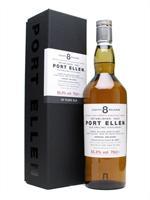
Port Ellen 29yo (55.3%, OB, 6618 Bts., ‘1978, 8th Annual Release) – Scotch Whisky Tasting Note

733900

Port Ellen 29yo (55.3%, OB, 6618 Bts., ‘1978, 8th Annual Release)

A very un – Islay like aromas (nose) at first but still very pleasant; it’s only after some time in the glass that the peat smoke to make its presence felt. There’s some really nice sweetness lurking at the bottom of the glass. Perhaps a little water will shake things up. A good splash of water open things a little but mainly brings out some lemon notes. The undiluted taste is quite strong and the peat smoke is VERY evident now and very good along with some very nice citrus and Hobnob biscuits. Big with oily moments and the ever present peat reek and moments of deep black coal and creosote. A late arrival of the malt (perhaps changed from the Hobnobs). With water it is very much a less aggressive dram and slightly sweeter but the charming notes of pre dilution hang in there. The finish is nicely warming with a really good inter play between the peat reek and the malt but now joined by some dryness and pepper. A very long finish indeed.

Yet another grand Port Ellen.

$225

Score 90 points

Loch Fyne Whiskies Stocks Bowmore Tempest Batch 3 – Scotch Whisky News

logo1_fine14

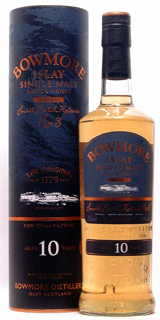
Loch Fyne Whiskies stocks ‘Bowmore Tempest Batch 3’

Bowmore Tempest Batch 3
55.6% abv
£40.20 inc vat
£33.50 ex vat

The third of a series of batches of cask strength 10yo.

Bowmore Tempest OB 10yo 55.6%alc. Batch 3

Best regards,
Loch Fyne Whiskies
david@lfw.co.uk

bowmore-tempest-3

Scotch Malt Whisky Society November Outturn: Nip in the air? – Scotch Whisky News

anipintheair-email-03nov11-ss0939

November Outturn: Nip in the air?

Summer may be a distant memory but we couldn’t be happier. Whisky Season is upon us and November’s Outturn is here to warm the coldest of cockles…12 new single casks and some fantastic offers await!

1.160 Sunny spiced apples & vanilla cream
Speyside Spey
£47.30 inc free p&p
Soft warm buttery aromas greeted the Panel on the nose; sunny fields of barley, golden syrup covered porridge and honeycomb

73.44 Old friends remembered
Speyside Deveron
£92.30 inc free p&p
this warm and comfortable malt delivered rich dark chocolate and raisins on the nose

33.114 Sweet versus savoury
Islay
£63.40 inc. free p&p
Bacon, maple syrup and waffles vie with Black Forest Gateaux and sticky toffee pudding, while fried seaweed, spare ribs and black pudding tussle with lint bandages and smoke

November Nippers:
Pair
: Buy 76.86 & 29.106 for only £83.50
Trio: Buy 1.160, 30.64 & 29.106 for only £145
Case: 76.86, 1.160, 30.64, 93.48, G5.4 & 29.106 for £268.70

*Buy 29.104 & 29.106 and get a FREE tasting glass

Nov Outturn Browse all bottlings (55 single casks online)

SMWS Tastings & Events (39 events online)
Nov Outturn Open Tasting – London, Sat 5 Nov
Nov Outturn Tasting & Carvery – The Vaults, Sun 6 Nov
Whisky for Breakfast with Robin Laing – London, Tue 8 Nov
All about wood – 28 Queen Street, Thu 17 Nov
Greenock Preview Tasting – The Tontine Hotel, Fri 18 Nov
Aberdeen Preview Tasting – Caledonian Hotel, Thu 24 Nov
Winchester Preview Tasting – Winchester Royal Hotel, Fri 25 Nov
Glasgow Preview Tasting – Radisson Blu Hotel, Fri 25 Nov
Harrogate Preview Tasting – Hotel du Vin, Fri 25 Nov

More Society tastings

London Members’ Room: We’re upgrading our bar area to make it even more fabulous. It does mean that from Wed 9 to Tue 15 November we will have to close the bar. However, the upstairs Tasting Room will be open for drams and bottles, but sadly no food. Sorry for any inconvenience that this may cause.

Book an Event: Festive Dining & Suppers
This year the Society is capturing the essence of Christmas with a feast for the senses. Enjoy flaming cocktails, a fabulously festive three-course meal and whisky ‘affogato’

Whisky Magazine’s 2012 Independent Bottler of the Year

The Scotch Malt Whisky Society,
The Vaults, 87 Giles Street, Leith EH6 6BZ
Contact: sales@smws.com or call 0131 555 2929 (Mon-Fri 9am-4.45pm).

Visit the Society at http://www.smws.co.uk/memberships for your chance to join and to take advantage of their great offers.

The Glengoyne ‘Teapot Dram’ – Scotch Whisky News

glengoyne

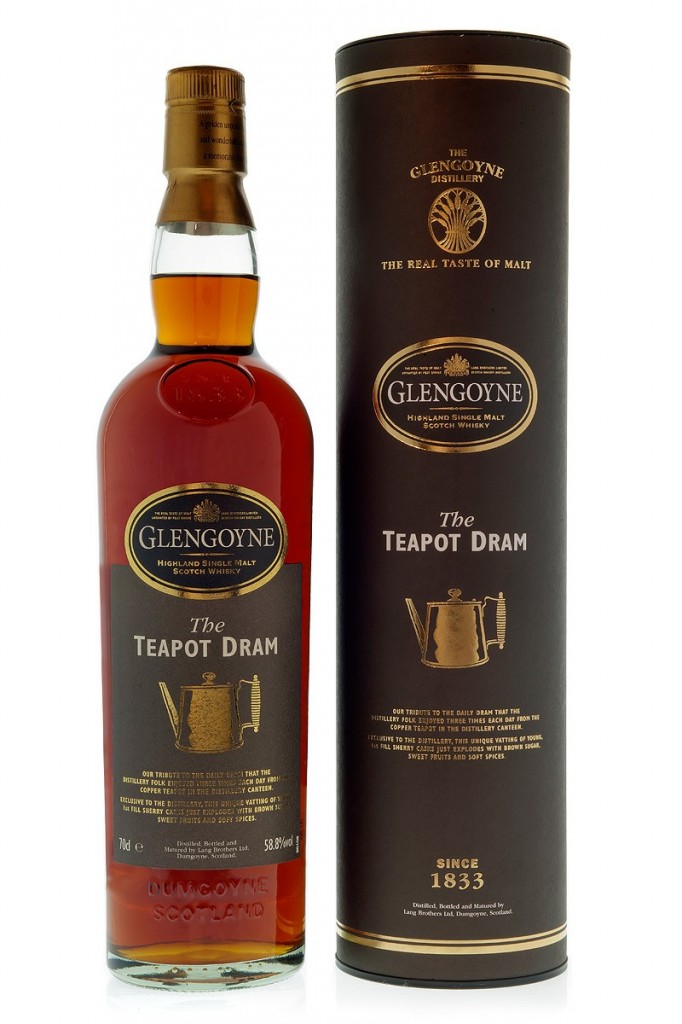
The Teapot Dram

Up until the early 1980s Glengoyne’s men were given three large drams of cask strength Glengoyne a day – breakfast, lunch and afternoon break.

Once a week the Brewer, Ron Low, and the excise men would select the best first fill sherry cask they could find to become that week’s dram. However, if the younger men didn’t want one of their drams they would pour it into the old copper teapot that sat in the rest room.

The more “seasoned” drinkers would then help themselves to additional drams from the teapot throughout the day – everyone was happy.

The Teapot Dram was created to encapsulate those days, and consists of five first fill sherry casks between the ages of nine and 11 years old. The Teapot Dram is bottled at cask strength and exclusive to Glengoyne Distillery.

The Teapot Dram

glengoyne_teapot_dram

New Arrivals at K&L California – Scotch Whisky News

kl_logo_trans

1994 Glendronach K&L Exclusive 16 Year Single Barrel Cask Strength Single Malt Whisky ($115.99) While ensconced deep in the countryside of the Eastern Scottish Highlands, David OG and I sat at a small table in a low-lit guesthouse and marveled at the quality of the Glendronach single malts. I immediately blogged via the K&L Spirits Journal website that the 12 year old was the “best single malt that no one is drinking!” Very much like Springbank whiskies sans the peat smoke, Glendronach has an unctuous, chewy mouthfeel that isn’t overly cloying or too saturated with sweet sherry. We knew that if we could find a single barrel that tasted similiar to the amazing 12 year, we would have a real winner on our hands. The next morning we scoured the warehouses in search of the perfect expression and we found it in a 1994 barrel that had been briefly finished in PX sherry cask. Earthy notes from the warehouse aging permiate the rich, oily flavors of vanilla, raisined fruit, and cakebread. The cask strength proof really keeps the sweetness at bay and the result is a fabulously balanced malt that should appeal to just about everyone. This is the barrel everyone will overlook, but I’d bet my salary it’s the one that will get the best reviews. -David Driscoll, K&L Spirits Buyer

1997 Springbank K&L Exclusive 14 Year Single Madeira Barrel Cask Strength Single Malt Whisky ($99.99) Upon our 2011 visit to Springbank, we knew we wanted to purchase a single bourbon cask, but we were open to other options were we to find another very special barrel. Of course, that’s exactly what happened. One of the most beloved whiskies in K&L customer history was a 2000 Springbank that was finished in Chateau d’Yquem barrels, giving a sweet highlight to the chewy textures of the malt. This 1998 Madeira-finished cask is bottled at cask strength, and is the more muscular, more mature cousin of that lovely 2000. Golden fruits, a rich, oily mouthfeel, and a long, supple finish all merge together and make this one of the easiest drams we’ve tasted in sometime. We can’t imagine anyone not loving this, so we decided to go deep and buy the whole thing. Like the 2000, we expect people to talk about this whisky for some time to come. -David Driscoll, K&L Spirits Buyer
Scotland – Single Malt Scotch

Old Pulteney 12 year old Single Malt Whisky 750ml – 5 available ($44.99)

K&L Wine Merchants
http://www.klwines.com
Phone: 877-KLWines (toll free 877-559-4637)
Email: wine@klwines.com
San Francisco, Redwood City, Hollywood CA

kl-emailheader

Jura 1976 35 year old Feith A’ Chaorainn Islands at The Whisky Shop UK – Scotch Whisky News

whisky-shop

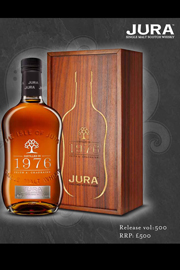
Jura 1976 35 year old
Feith A’ Chaorainn Islands
70cl

£500.00 (£416.67 ex VAT)

One of only 500 bottles worldwide and 1 of 100 bottles available in the UK. Sensually complex with notes of lemongrass, vetiver, soft warm honey, sage and cinnamon. Soft rich bitter chocolate, coriander, liquorice and caramelised fruits stir the palate. Lingering sensations of glazed orange segments and crushed apples complete this sensory spectrum

Laid to cask in 1976, then matured in three bespoke American white oak ex bourbon hogsheads over the ensuing years, this noble spirit has been moulded by Mother Nature herself.

Jura 1976 35 year old Feith A’ Chaorainn Islands

jura-1976-2


Powered by WordPress