Glen Grant Distillery History – Glen Grant Sunday – Scotch Whisky News
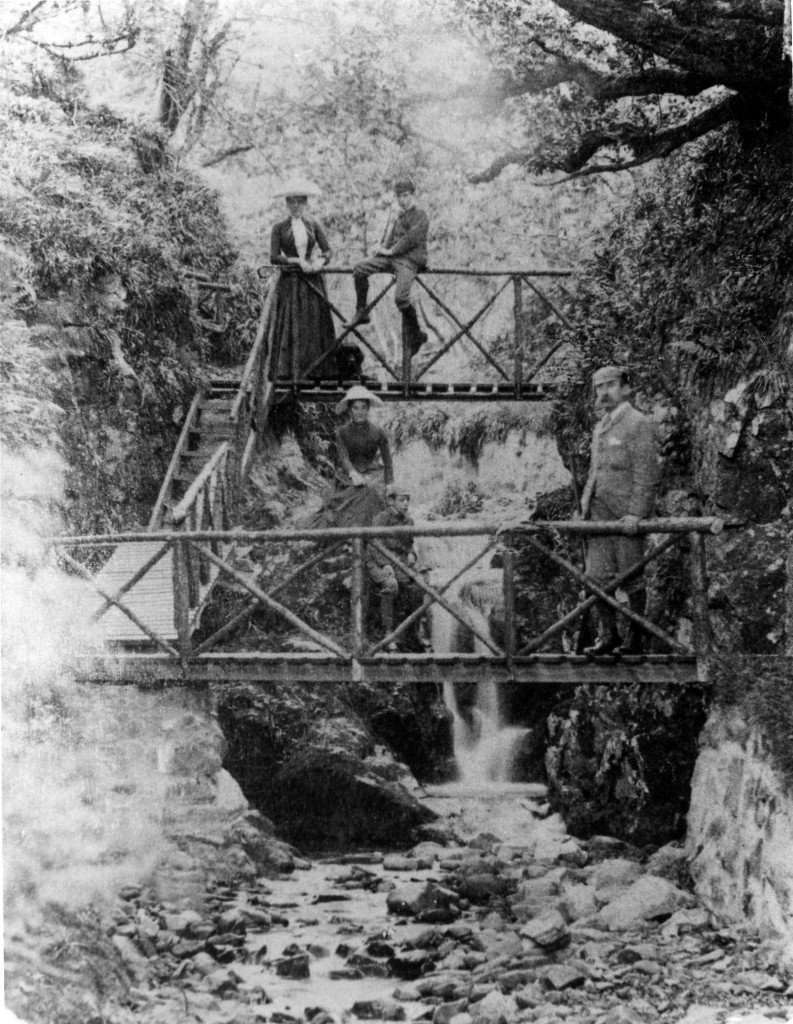
Major James Grant with his family
Glen Grant Distillery History
Glen Grant is born
In 1840, former smuggling brothers John and James Grant decided to take out a licence. With the sea and port of Garmouth nearby, the River Spey at its feet, peat in the vicinity, and barley-growing plains in close proximity, all the basic ingredients of malt whisky were readily available.
The two “Sons of Malt”, John and James Grant had found the one place on earth where Glen Grant Single Malt Scotch Whisky could be made.
A new ‘Glen Grant’
By 1872, the founders of Glen Grant Distillery had passed away. Young James ‘The Major’ Grant, just 25 at the time, had always taken a keen interest in the distillery, and having inherited the business and the title ‘Glen Grant’ from his uncle John Grant, intended to prove himself a worthy successor.
Boom and expansion
Stories about The Major abound. A legendary innovator, socialiser and traveller, he lived by his own rules and set his own standards. New ideas fascinated him and he wasn’t afraid to explore them. He was the first man in the Highlands to own a car. Glen Grant was the first distillery to have electric lighting. He introduced the tall slender stills and purifiers which created the fresh malty flavour and clear colour that defines Glen Grant Single Malt Scotch Whisky to this day.
The Gardens
The Glen Grant Distillery is also known for its beautiful landscaped gardens. Established by The Major himself in 1886, they were a point of pride for him and his visitors would often take long walks through the green as well as explore the exotic conservatories. At one point there were 15 gardeners employed solely to tend the 27 acres that included vast greenhouses as well as a large and functional kitchen garden.
Today, the garden is re-opened to the public after its extensive restoration which began in 1993 and ended in 1996. It remains an extraordinary testament to late 19th century Victorian gardening style.
The Second Distillery
Over 25 years after The Major took over Glen Grant, he decided to build a second distillery across the road from the first. Originally called ‘Glen Grant 2’, and later known as Caperdonich, after the well from which both distilleries draw their water from to this day, the distillery was connected to the original building via an underground pipeline through which the whisky was run.
An end and a beginning
In 1931, Major Grant, the last of the Grants, died, leaving behind his three daughters and one of the most famous distilleries in the world. Douglas MacKessack, his grandson, was his successor.
The family expands
In 1972, the Glenlivet and Glen Grant Distilleries Ltd merged with the blending concerns of Hill, Thomson and Co. Ltd and Longmorn Distilleries Ltd to become The Glenlivet Distillers Ltd. The original family interest in the distilleries was maintained, with two substantial outside shareholders: Courage Ltd, the brewing concern and Suntory Ltd, the Japanese distilling company.
New ownership
In 2006, Gruppo Campari acquired Glen Grant from Pernod Ricard. To this day, Glen Grant continues to be one of the greatest selling single malts worldwide.
A new chapter
In 2008 Gruppo Campari completed the rebranding and rebuilding of Glen Grant’s image with the inauguration of the new visitor centre that welcomes visitors into the uniquely different whisky experience that is Glen Grant.
Anniversary
With 2010 seeing the celebration of the 170th anniversary of Glen Grant and its proud history, the Glen Grant story will continue to maintain the standards and traditions of the Grant family and their descendents thanks to the skill and determination of the people in Speyside.
170 Years of Excellence and Experience
So many years of whisky making, so few men involved. This short list illustrates the names of the Master Distillers selected to oversee the production process and ensure all materials and procedures were of the utmost quality.
Pre 1898 George Grant
1898-1941 James Cumming
1941-1969 James Smith
1969-1983 Ernest Sherret
1983-1992 Dennis Malcolm
1992-1996 Willie Mearns
1996-2005 Robert Mac Pherson
2005-2006 Hamish Proctor
2006 – Dennis Malcolm
Master Blenders
A Master Blender is responsible for ensuring consistency of colour, taste and palate in each single variety of single malt produced. They carefully select and blend the whiskies from different casks to create each single malt’s unique taste and colour. Glen Grant’s entire history of Master Blenders features just a select few. Over almost 170 years, only four names have been involved: the founding brothers, John and James Grant, James’ son, ‘The Major’ Grant, his grandson, Major Douglas MacKessack, and Albert Stephen, who was introduced to Glen Grant by Major MacKessack and worked alongside him.
Albert Stephen remains Master Blender to this day, continuing a direct line from Glen Grant’s founding fathers to the present and ensuring that the distinctive characteristics and quality of Glen Grant Single Malt Scotch Whisky can be enjoyed by a new generation.
Historical Notes & Anecdotes
Historical Notes
The Glen Grant distillery is the only one named after its two founders, James and John Grant.
Glen Grant was obliged to close its doors during the two world wars because of a lack of barley, just like most distilleries in those days.
Glen Grant was the only distillery in Rothes for the 40 years following its establishment. Today there are five active distilleries in the city.
1840, the year of the founding of Glen Grant was also the year when:
• Queen Victoria married Albert of Sax-Coburg Gotha
• Charles Dickens wrote The Old Curiosity Shop
• The Penny Post was born
In 1861, Glen Grant Distillery was the first of any industrial premises in the North to have electric power and lighting.
Upon John Grant’s death on August 26, 1864 (age 67) Glen Grant was so successful the firm was making the government a colossal £30,000 in spirit duty.
Anecdotes
A local legend says that the inhabitants of Rothes have invented a stratagem to reroute a part of the whisky for themselves, taking it directly from the pipe-line.
Because of the Grant’s heavy involvement with bringing the first rail service to the north, one of the engines included in the Lossimouth-Elgin-Rothes route in 1851 was named Glen Grant.
Founder James Grant was said to always have carried a one hundred pound bank note with him, particularly when he had business to transact with neighbouring farmers. Having concluded a deal he would produce the note in payment and, as few country people in those days could find change for that amount, James always got extended credit.
James Grant’s public life was so successful it earned him the unofficial title of “The Provost of Scotland”.
In 1865 the distillery was expanded incorporating a unique design of still being set up with a big pair of wash and spirit and a small pair of wash and spirit. Naturally, the small spirit still became affectionately known to all employees and staff as “Wee Geordie”, and this title remained until further expansion was necessary in1987 when Wee Geordie was renamed Big Geordie. (Wee Geordie is on display on the Glen Grant grounds to this day).